 Preview
 Send
Send Share
Share
 Details

 Download
 Similars
 X-Ray
X-Ray Diaporama
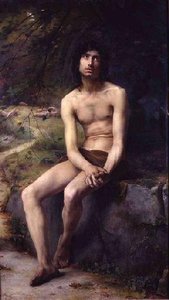
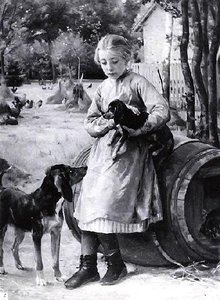
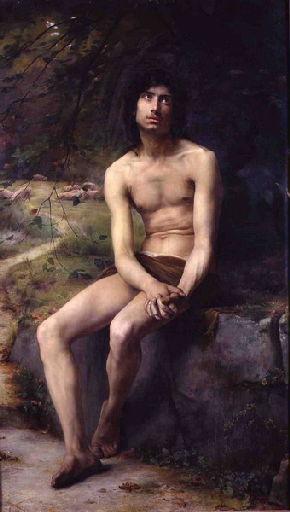
Le Repentir de l'enfant prodigue
 Read More
Hand Made Oil Reproduction
Hand-painted oil on canvas in your size and frame, made to order by our artists. ( Buy Print Buy Image)




































Pick from our preset sizes that match the artwork's original proportions.

You may enter your own dimensions to fit a specific frame or space. If your selected size does not match the original image's proportions, we will either crop the artwork or extend the painting with additional hand-painted elements. A digital mockup will be sent for your approval before production begins.
Please note that the on-screen preview does not reflect the actual cropping or extension. Only the mockup will accurately show the final composition.
While custom sizes are available, we recommend selecting a dimension from the predefined list to preserve the original proportions.
After order, ArtsDot.com team will email client for instructions and provide a mockup preview
Worldwide Delivery () in 3/4 weeks instead of standard 5 weeks. (21 August). No compromise on quality.

Free Worldwide Express Shipping

High-Quality Linen Canvas

Full Shipping Insurance

Customs Tax Refund Guarantee

True Color Matching Guarantee

60-Day Return Policy (Defects Only)

100% Money-Back Guarantee

Bulk Discount Offer
 Glass option is only available in size under 110 CM

Le Repentir de l'enfant prodigue
Reproduction Medium
Reproduction Size
-


Total Price
$ 263
Related Artworks
Artist Biography
Joseph-Auguste Rousselin: A Shepherd of Biblical Visions
Joseph-Auguste Rousselin (1841–1916) wasn’t merely a painter; he was, in essence, a visual storyteller deeply rooted in the traditions of French art and profoundly influenced by the burgeoning currents of Impressionism. His legacy resides primarily within the realm of biblical narratives, where he crafted scenes imbued with a quiet dignity, meticulous detail, and an almost palpable sense of faith—a testament to his dedication and artistic skill. Born in France during a period of significant social and artistic transformation, Rousselin’s career unfolded against the backdrop of evolving artistic philosophies and shifting societal expectations. He initially studied under Charles Gleyre and Thomas Couture, absorbing the foundational techniques of academic painting while simultaneously encountering the nascent ideas that would soon define the Impressionist movement. This dual exposure shaped his approach—a respect for classical composition balanced with a growing interest in capturing fleeting moments and atmospheric effects.Early Life and Artistic Training
Rousselin’s artistic journey began within the structured environment of the École des Beaux-Arts, where he diligently honed his technical abilities. However, it was his association with Gleyre's studio—a hub for aspiring artists—that proved particularly formative. This milieu exposed him to a diverse group of painters, including Édouard Manet, Alfred Sisley, and Auguste Renoir, all of whom were experimenting with new approaches to representation. Notably, Renoir’s advice regarding the exhibition of *Baigneuses (Paysage)*, *La Mare aux fées*, and *Nymphe se mirant dans l'eau* at the Société des amis des arts de Pau—works that would later become cornerstones of his reputation—demonstrates a crucial early influence. These paintings, characterized by their loose brushwork and focus on capturing light and atmosphere, signaled Rousselin’s own gradual shift towards a more Impressionistic style. His meticulous attention to detail, however, remained a defining characteristic, distinguishing him from the purely fleeting gestures of some of his contemporaries.Thematic Focus: Biblical Scenes and Animal Studies
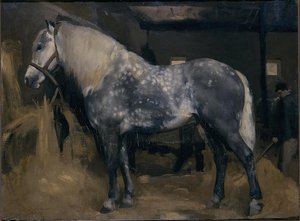
While Rousselin explored various subjects throughout his career—including landscapes and portraits—he is most celebrated for his depictions of biblical scenes. These works are not grand, dramatic narratives but rather intimate moments of reflection and piety. He frequently chose to portray figures in quiet contemplation or engaged in simple acts of faith, eschewing overt displays of emotion in favor of subtle gestures and evocative details. His paintings often feature shepherds, as evidenced by “Percheron dans une écurie,” a particularly poignant work that captures the serene beauty of rural life and the connection between humanity and the natural world. The subject matter itself—the humble shepherd tending his flock—became a recurring motif, symbolizing innocence, obedience, and a deep-seated connection to God’s creation. Alongside these biblical scenes, Rousselin produced a significant body of work dedicated to animal studies, showcasing his remarkable ability to render their forms with astonishing accuracy and sensitivity. These paintings reveal a profound appreciation for the beauty and complexity of the animal kingdom.Key Works and Artistic Style
Several works stand out as particularly representative of Rousselin’s artistic vision. “Le Repentir de l'enfant prodigue” is perhaps his most emotionally resonant painting, depicting a young boy confessing to his father—a scene laden with regret, forgiveness, and the enduring power of familial love. “Saint-Joseph of Reims,” another significant piece, showcases his mastery of composition and his ability to imbue ordinary scenes with spiritual significance. His style is characterized by a meticulous attention to detail, a subtle use of color, and a preference for soft, diffused light—elements that contribute to the paintings’ contemplative mood. He skillfully blended elements of academic painting with Impressionistic techniques, creating a unique visual language that was both refined and accessible. The influence of Gleyre's studio is evident in his compositions, while the fleeting effects of light and color reflect the innovations of the Impressionists.Legacy and Historical Significance
Joseph-Auguste Rousselin’s contribution to French art lies not in revolutionary innovation but rather in a consistent dedication to portraying biblical narratives with grace, sincerity, and technical mastery. He represents a bridge between the academic traditions of 19th-century painting and the emerging aesthetic sensibilities of the Impressionist era. His work continues to resonate today because it speaks to universal themes of faith, family, and the human condition—themes that transcend time and culture. While his name may not be as widely recognized as some of his contemporaries, his paintings offer a quiet yet profound meditation on the enduring power of belief and the beauty of everyday life. His legacy is preserved in museums across France, including the Musée de Grenoble and the Musée de Pau, where viewers can still encounter the serene visions of this dedicated artist.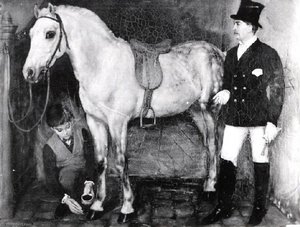
joseph auguste rousselin
1848 - 1916
Quick Facts
- Artistic Movement Or Style: Biblical art, Impressionism
- Artists Or Movements Influenced By This Artist:
- Édouard Manet
- Alfred Sisley
- Auguste Renoir
- Artists Who Influenced This Artist:
- Charles Gleyre
- Thomas Couture
- Date Of Birth: 1841
- Date Of Death: 1916
- Full Name: Joseph-Auguste Rousselin
- Nationality: French
- Notable Artworks:
- Joseph (Genesis)
- Le Repentir de l'enfant prodigue
- Percheron dans une écurie
- Place Of Birth: France