 Preview
 Send
Send Share
Share
 Details

 Download
 Similars
 X-Ray
X-Ray Diaporama
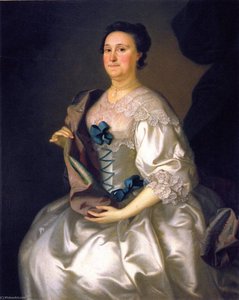
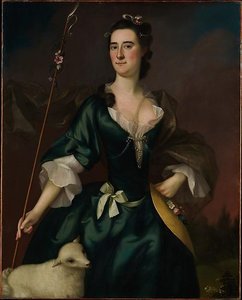
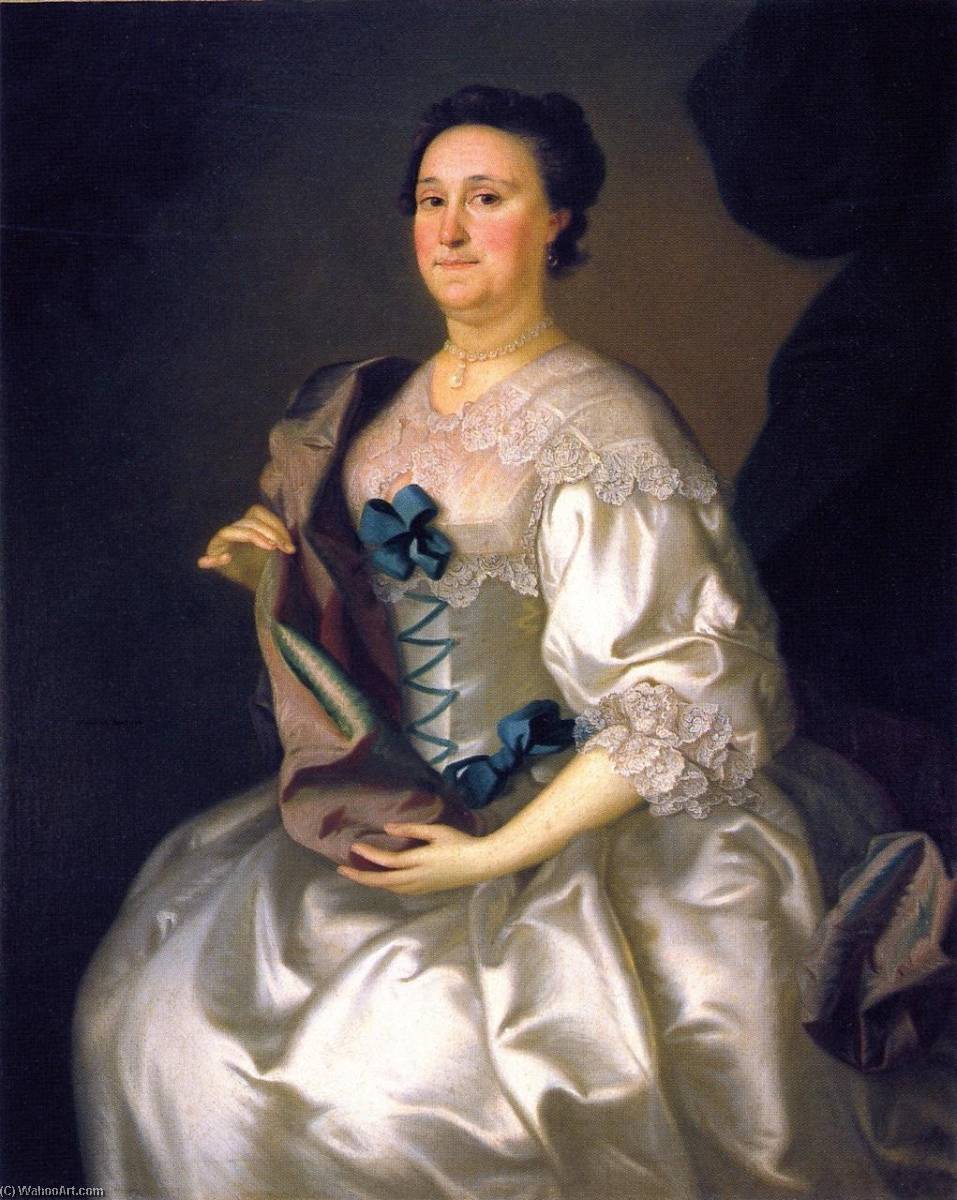
Mrs. Gillam Phillips (Marie Faneuil)

 Read More
Giclée / Art Print
Museum-quality giclée or canvas print with fast production and flexible finish options. ( Buy Hand Made Painting Buy Image)




































Pick from our preset sizes that match the artwork's original proportions.

You may enter your own dimensions to fit a specific frame or space. If your selected size does not match the original image's proportions, we will either crop the artwork or extend the image with a mirrored or solid-fill edge. A digital mockup will be sent for your approval before production begins.
Please note that the on-screen preview does not reflect the actual cropping or extension. Only the mockup will accurately show the final composition.
While custom sizes are available, we recommend selecting a dimension from the predefined list to preserve the original proportions.
Worldwide Delivery () in 2 weeks instead of standard 4/5 weeks. (26 August)

Free Worldwide Express Shipping

High-Quality Linen Canvas

Full Shipping Insurance

Customs Tax Refund Guarantee

True Color Matching Guarantee

60-Day Return Policy (Defects Only)

100% Money-Back Guarantee

Bulk Discount Offer
 Glass option is only available in size under 110 CM

Mrs. Gillam Phillips (Marie Faneuil)
Giclée / Art Print
Reproduction Size
-


Total Price
$ 63
Related Artworks








Artist Biography
The Weaver of Silks and Shadows
In the golden age of colonial portraiture, few hands possessed the delicate precision required to capture the ephemeral shimmer of a silk gown or the intricate lace of a gentleman’s cravat quite like Joseph Blackburn. An itinerant master whose brush traveled across the Atlantic, Blackburn was far more than a mere recorder of faces; he was a virtuoso of texture. To gaze upon his work is to witness a profound dialogue between light and fabric, where the heavy weight of velvet and the translucent breath of muslin are rendered with such tactile accuracy that the viewer can almost feel the cool touch of the textiles through the canvas.
Born in England around 1730, Blackburn’s artistic lineage likely began at home, as he was believed to be the son of a painter. This foundational training provided him with the technical rigor necessary for his ambitious travels. His career was defined by movement, an odyssey that saw him navigating the maritime routes of the eighteenth century. From the sun-drenched landscapes of Bermuda in the early 1750s to the burgeoning colonial hubs of Newport and Portsmouth, Blackburn brought a sophisticated European sensibility to the New World. His presence in Boston between 1755 and 1765 marked a pivotal era for American art, as he established a studio that became a beacon of refinement amidst the rugged landscape of colonial life.
A Legacy of Patronage and Prestige
The success of an eighteenth-century portraitist relied heavily upon the strength of their social connections, and in this regard, Blackburn was peerless. He moved within the highest echelons of colonial society, securing commissions from the most influential families of Boston’s elite. His roster of patrons read like a directory of American aristocracy, including the Apthorps, Amorys, Bulfinches, Lowells, Ewings, Saltonstalls, Winthrops, Winslows, and Otises. For these families, a portrait by Blackburn was not merely a likeness; it was a profound statement of status, wealth, and cultural sophistication.
Through these commissions, Blackburn achieved a level of historical significance that transcends simple biography. He helped codify the visual language of the American upper class, using his mastery of neoclassical elements to imbue his subjects with an air of permanence and dignity. His ability to weave the material wealth of his patrons—the very silks and laces they wore—into the narrative of their identity created a lasting archive of colonial prestige. Even as he eventually returned to London to paint in the vibrant artistic circles of England, Wales, and Dublin, the impact of his American years remained a cornerstone of his legacy.
The Master’s Influence and Artistic Evolution
While Blackburn’s technical prowess is often celebrated, his role as a mentor is equally vital to the history of art. It is widely recognized that the legendary John Singleton Copley, perhaps the greatest American painter of the era, was a pupil of Blackburn. The relationship between the master and the student was one of both inspiration and competition; it is said that Copley’s meteoric rise eventually eclipsed his teacher, leading Blackburn to depart his Boston studio. This transition of talent marks a crucial moment in art history, where the itinerant traditions of the Old World met the burgeoning, independent spirit of American portraiture.
The enduring fascination with Blackburn’s work lies in the sensory experience he provides. His portraits are characterized by:
- Luminous Textures: An unparalleled ability to replicate the reflective surfaces of satin and the matte depth of heavy velvets.
- Dramatic Lighting: A use of light that carves figures out of the darkness, lending a theatrical, almost sculptural quality to his subjects.
- Intricate Detail: A meticulous approach to the fine details of lace, embroidery, and jewelry that serves to ground the sitter in a tangible reality.
Today, the surviving works of Joseph Blackburn serve as windows into a lost world. Whether housed in prestigious institutions like the Massachusetts Historical Society or held in private collections, his paintings continue to captivate. He remains a master who did not just paint people, but painted the very essence of an era through the exquisite, shimmering threads of the fabrics they wore.
joseph blackburn
1730 - 1765
Quick Facts
- Artistic Movement Or Style: Neoclassical
- Artists Or Movements Influenced By This Artist: ['John Singleton Copley']
- Date Of Birth: October 1, 1838
- Full Name: Joseph Clay Stiles Blackburn
- Nationality: American
- Notable Artworks:
- Untitled (AQTDUG)
- Mrs. Gillam Phillips (Marie Faneuil)
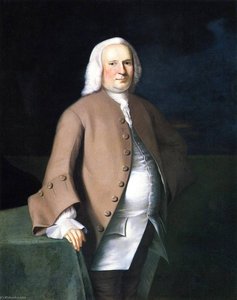
- Samuel Cutts
- Place Of Birth: Spring Station, Kentucky