 Preview
 Send
Send Share
Share
 Details

 Download
 Similars
 X-Ray
X-Ray Diaporama
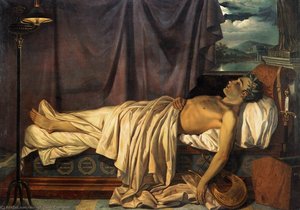
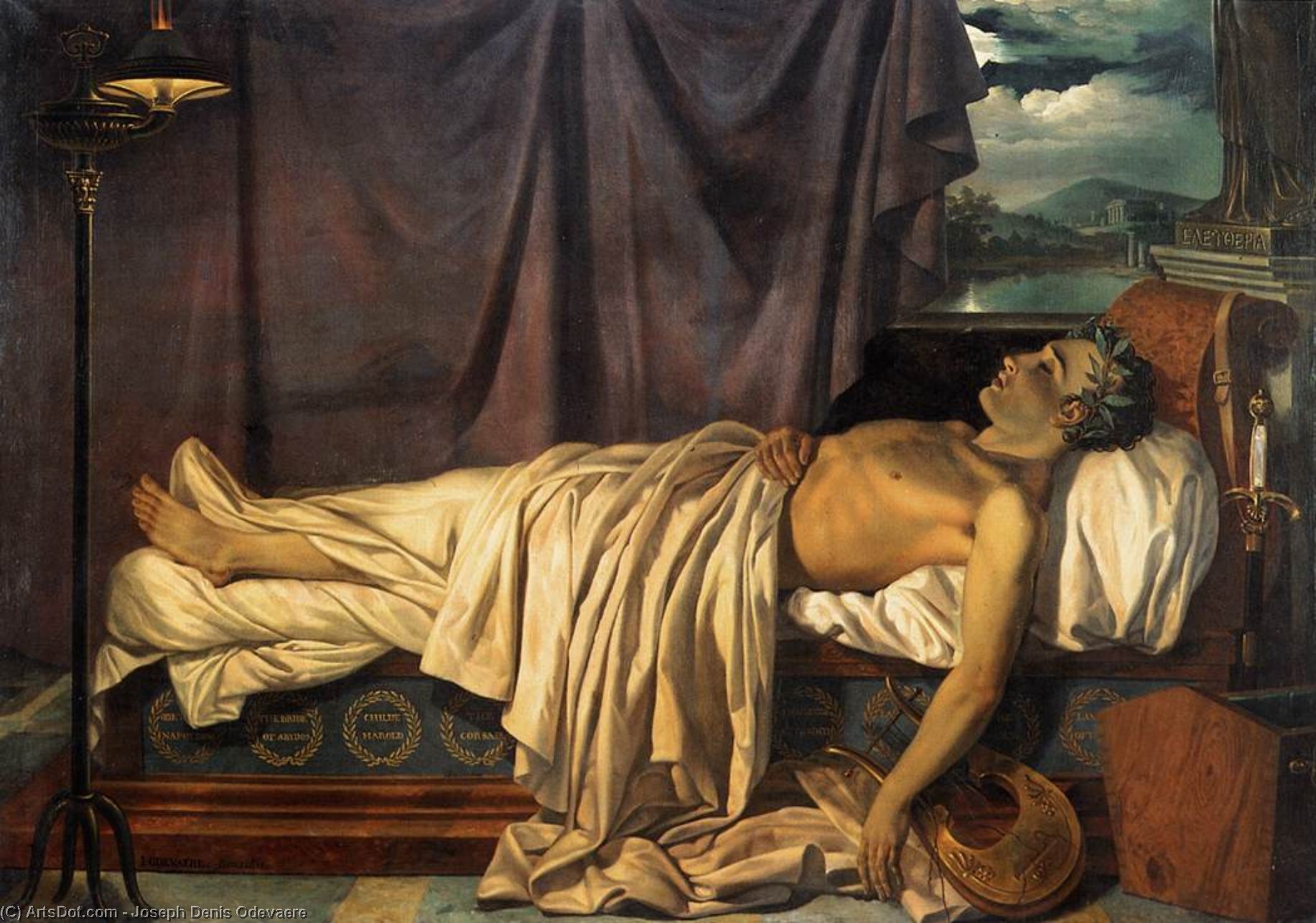
Lord Byron on his Death-bed
 Oil
Oil- WallArt
- Romanticism
 1826
1826- 19th Century
 166.0 x 234.0 cm
 Groeninge Museum
 Read More
Hand Made Oil Reproduction
Hand-painted oil on canvas in your size and frame, made to order by our artists. ( Buy Print Buy Image)




P118B $10

P118H $10

P118W $10

P438Z $10

P508JH $12

P508YH $12

P805H $10

P805Z $10

P919BZ $10

P919G $10

P919XJ $10

P959ZH $10

P968JZ $12

W106C $8

W218G $10

W218JH $8

W218Y $10

W307PJ $10

W316G $10

W316PJ $8

W316Y $10

W398PJ $8

W4111J $10

W500HY $15

W500JH $15

W692G $12

W849H $8

W940BG $15

W953PJ $8




Pick from our preset sizes that match the artwork's original proportions.

You may enter your own dimensions to fit a specific frame or space. If your selected size does not match the original image's proportions, we will either crop the artwork or extend the painting with additional hand-painted elements. A digital mockup will be sent for your approval before production begins.
Please note that the on-screen preview does not reflect the actual cropping or extension. Only the mockup will accurately show the final composition.
While custom sizes are available, we recommend selecting a dimension from the predefined list to preserve the original proportions.
After order, ArtsDot.com team will email client for instructions and provide a mockup preview
Worldwide Delivery () in 3/4 weeks instead of standard 5 weeks. (17 August). No compromise on quality.

Free Worldwide Express Shipping

High-Quality Linen Canvas

Full Shipping Insurance

Customs Tax Refund Guarantee

True Color Matching Guarantee

60-Day Return Policy (Defects Only)

100% Money-Back Guarantee

Bulk Discount Offer
 Glass option is only available in size under 110 CM

Lord Byron on his Death-bed
Reproduction Medium
Reproduction Size
-


Total Price
$ 263
Artwork Description
A Poignant Encounter with Mortality
In the somber stillness of Joseph Denis Odevaere’s 1826 masterpiece, Lord Byron on his Death-bed, we are invited into a moment of profound vulnerability and historical gravity. The painting captures the legendary Romantic poet, George Gordon Byron, in his final, agonizing hours. Rather than depicting the dashing, rebellious figure of Byron's youth, Odevaere presents us with a man surrendered to the frailty of the flesh. As he lies amidst the heavy linens of his bed, his expression is etched with the unmistakable shadows of distress and physical torment. The composition draws the viewer into an intimate, almost voyeuristic space, where the grandeur of a literary icon meets the quiet, inevitable tragedy of human mortality.
The artist employs a sophisticated palette to heighten the emotional tension within the chamber. A deep, regal blue dominates the background walls, framed by a striking red border that lends an air of classical elegance to the scene. This contrast between the cool, receding blues and the warm, assertive reds creates a visual weight that anchors the viewer's gaze upon the central figure. The room is meticulously detailed, featuring symmetrical elements such as the two vases flanking the bed, which provide a sense of formal stability against the chaotic suffering of the subject. A solitary chair and a small bowl in the corner serve as quiet witnesses to the unfolding drama, grounding the ethereal tragedy in a tangible, domestic reality.
The Artistry of Romantic Melancholy
Technically, Odevaere demonstrates a masterful command over light and atmosphere, essential for conveying the heavy mood of the Romantic era. The lighting is not bright or celebratory; instead, it is soft and diffused, casting gentle shadows that cling to the folds of the bedding and the contours of Byron’s weary face. This technique creates a sense of depth and texture, making the fabric appear heavy and the air itself feel thick with grief. For collectors and interior designers, this piece offers more than mere decoration; it provides a focal point of intense narrative power. The painting's ability to evoke melancholy and reflection makes it an extraordinary addition to a curated collection or a sophisticated study.
Beyond the physical depiction, the work serves as a symbolic meditation on the fleeting nature of fame and life. By portraying one of the most influential voices of his generation in such a state of helplessness, Odevaere bridges the gap between the legendary and the human. The presence of classical elements within the room suggests that while the man may perish, the dignity of his legacy remains. For those seeking to bring a sense of history and emotional depth into a living space, this reproduction offers an unparalleled opportunity to possess a fragment of the Romantic movement's soul, inviting conversation and deep contemplation in any beautifully appointed room.
Related Artworks
Artist Biography
The Tempestuous Vision of J.M.W. Turner
Joseph Mallord William Turner, a name synonymous with Romanticism and the sublime, remains one of the most enigmatic and profoundly influential figures in British art history. Born in 1775 amidst the bustling streets of Covent Garden, London, Turner’s journey from a child prodigy to a celebrated, yet often misunderstood, artist is a testament to his relentless pursuit of capturing the essence of light, atmosphere, and emotion. His life was marked by both extraordinary artistic achievement and personal turmoil, shaping the very nature of his groundbreaking work. He wasn't simply a painter; he was an explorer of sensation, translating the world’s fleeting moments into vibrant, unforgettable canvases.- Early Years & Training: Turner’s early talent was undeniable. He began sketching at the age of three and by fourteen, he was enrolled at the Royal Academy of Arts, a remarkable feat for someone from a modest background. His initial training focused on topographical drawing – meticulously rendering recognizable scenes – but this foundational skill would later serve as a springboard for his more imaginative explorations. Crucially, he also apprenticed himself to William Strachey, a master watercolorist who instilled in him the techniques of layering washes and building up color gradually.
- Dutch Influences: Turner’s artistic development was profoundly shaped by the Dutch Golden Age painters, particularly Willem van der Velde and Jan Both. He admired their atmospheric perspective, dramatic lighting, and ability to convey a sense of vastness and mystery. These influences are evident in his early works, which often feature meticulously rendered landscapes imbued with a subtle, almost ethereal quality.
- A Reclusive Genius: Despite achieving considerable success, Turner was notoriously private and eccentric. He avoided social engagements, preferring the solitude of his studio where he could immerse himself in his work. This reclusiveness contributed to his unconventional methods and his willingness to challenge artistic conventions.
The Evolution of a Style – From Topography to Sublime
Turner’s artistic style underwent a dramatic transformation throughout his long career, reflecting not only his evolving technical skills but also his shifting philosophical perspectives. Initially, he produced highly detailed topographical watercolors, meticulously documenting the landscapes and buildings of England. However, as he matured, he increasingly abandoned precise representation in favor of capturing the *feeling* of a place – its light, mood, and emotional resonance. This shift is particularly evident in his later works, which are characterized by loose brushstrokes, vibrant colors, and an almost hallucinatory intensity.- Early Watercolors: His early watercolors, such as *The River Thames at Battersea* (1798), demonstrate a remarkable ability to capture the effects of light and atmosphere. These works are characterized by careful observation and a restrained palette.
- The Influence of Romanticism: Turner embraced the tenets of Romanticism – an emphasis on emotion, imagination, and the power of nature – but he ultimately transcended its limitations. He sought not merely to depict beauty but to evoke a sense of awe and terror, capturing the sublime—the experience of confronting something vast and overwhelming.
- Breaking with Tradition: Turner deliberately rejected the prevailing academic style of his time, which favored historical subjects and idealized forms. He instead focused on contemporary scenes – seascapes, cityscapes, and industrial landscapes – often depicting them in a highly subjective and expressive manner.
Mastering Light and Atmosphere
Turner’s greatest achievement lay in his unparalleled ability to capture the effects of light and atmosphere. He was obsessed with understanding how light interacts with surfaces, creating an illusion of depth, volume, and movement. His technique involved layering thin washes of color upon each other, building up a complex surface texture that shimmered and glowed. He frequently worked *alla prima* – directly on the canvas without preliminary sketches – allowing him to instinctively respond to the changing light conditions.- Watercolour Techniques: Turner’s mastery of watercolor is legendary. He developed his own unique techniques for manipulating color, creating luminous washes and subtle gradations that seemed to defy the limitations of the medium.
- Oil Painting Innovations: In oil painting, he employed a similar approach, building up layers of paint to create a sense of atmospheric depth and luminosity. His use of impasto – thick applications of paint – added texture and dynamism to his canvases.
- The Pursuit of the Sublime: Turner’s fascination with light was inextricably linked to his pursuit of the sublime—the experience of confronting something vast, powerful, and awe-inspiring. He sought to capture this feeling in his paintings, creating images that evoked a sense of wonder, terror, and spiritual transcendence.
A Lasting Legacy – Precursor to Modernism
Joseph Mallord William Turner’s influence on subsequent generations of artists is immeasurable. His radical approach to color, composition, and subject matter paved the way for Impressionism and Abstract Art. He demonstrated that art could be more than a mere representation of reality; it could be a vehicle for expressing emotion, exploring ideas, and capturing the fleeting beauty of the world.- Influence on Impressionism: Artists such as Monet and Renoir were deeply influenced by Turner’s use of light and color, adopting his techniques to capture the ephemeral qualities of modern life.
- A Visionary Spirit: Turner's work continues to resonate with viewers today, reminding us of the power of art to transport us beyond the confines of our everyday experience. He remains a symbol of artistic innovation, courage, and visionary spirit.
- Critical Recognition: Despite initial skepticism, Turner’s reputation grew steadily throughout his lifetime, culminating in John Ruskin's fervent advocacy in 1840. Today, he is widely regarded as one of the greatest artists of all time.
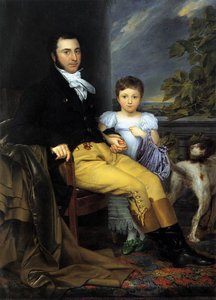
joseph denis odevaere
1775 - 1830 , Belgium
Quick Facts
- Artistic Movement Or Style: Romanticism, Precursor of Impressionism
- Artists Or Movements Influenced By This Artist:
- Impressionism
- Abstract Art
- Artists Who Influenced This Artist:
- Willem van der Velde
- Claude Lorrain
- Richard Wilson
- Date Of Birth: 23 April 1775
- Date Of Death: 19 December 1851
- Full Name: Joseph Mallord William Turner
- Nationality: English
- Notable Artworks:
- The Fighting Temeraire
- Rain, Steam and Speed
- Snow Storm: Hannibal Crossing the Alps
- Place Of Birth: London, England
Related Articles

Slate Blue Masterpieces: 10 Iconic Paintings & Timeless Home Decor Ideas
Immerse yourself in the captivating world of slate blue! Explore 10 iconic paintings by Monet, Van Gogh & Renoir. Discover their stories, techniques & find museum-quality art reproductions for your home at .
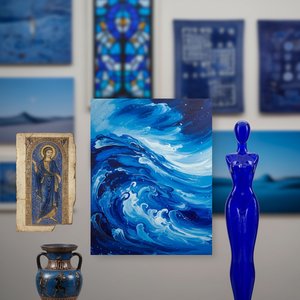
The Allure of Azure: Exploring the Symbolic & Aesthetic Depths of Blue in Art History
Explore the rich history of blue in art! Discover its symbolism, from ancient pigments to modern masterpieces by Kandinsky & Seurat. Uncover the psychological impact and cultural meanings behind this captivating hue.
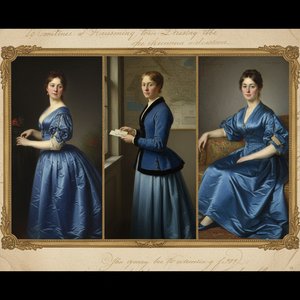
Azure Visions: Exploring Representations of the Blue Dress in Western Art History
Explore the rich history of the blue dress in Western art! Discover its symbolism, from Renaissance masterpieces to modern interpretations by artists like Martin & Schiele. Uncover cultural meanings and artistic techniques.

Monet's Masterpieces: 25 Iconic Artworks to Transform Your Home
Journey through 25 iconic Claude Monet masterpieces! Explore Impressionism’s beauty, from Water Lilies to Rouen Cathedral. Discover stunning art reproductions & curated decor ideas – explore the full collection online at ArtsDot.com.
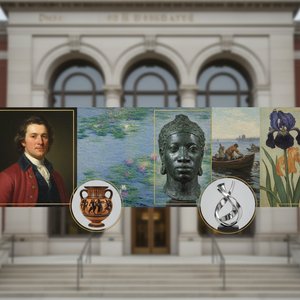
Masterpieces of Boston: Explore 25 Iconic Artworks | ArtsDot
Journey through 25 iconic artworks at Boston's MFA! Explore masterpieces by Monet, Sargent, Van Gogh & more. Discover art history, techniques & find museum-quality reproductions for your home on ArtsDot.com.