

 Preview
 Send
Send Share
Share
 Details

 Download
 Similars
 X-Ray
X-Ray Diaporama
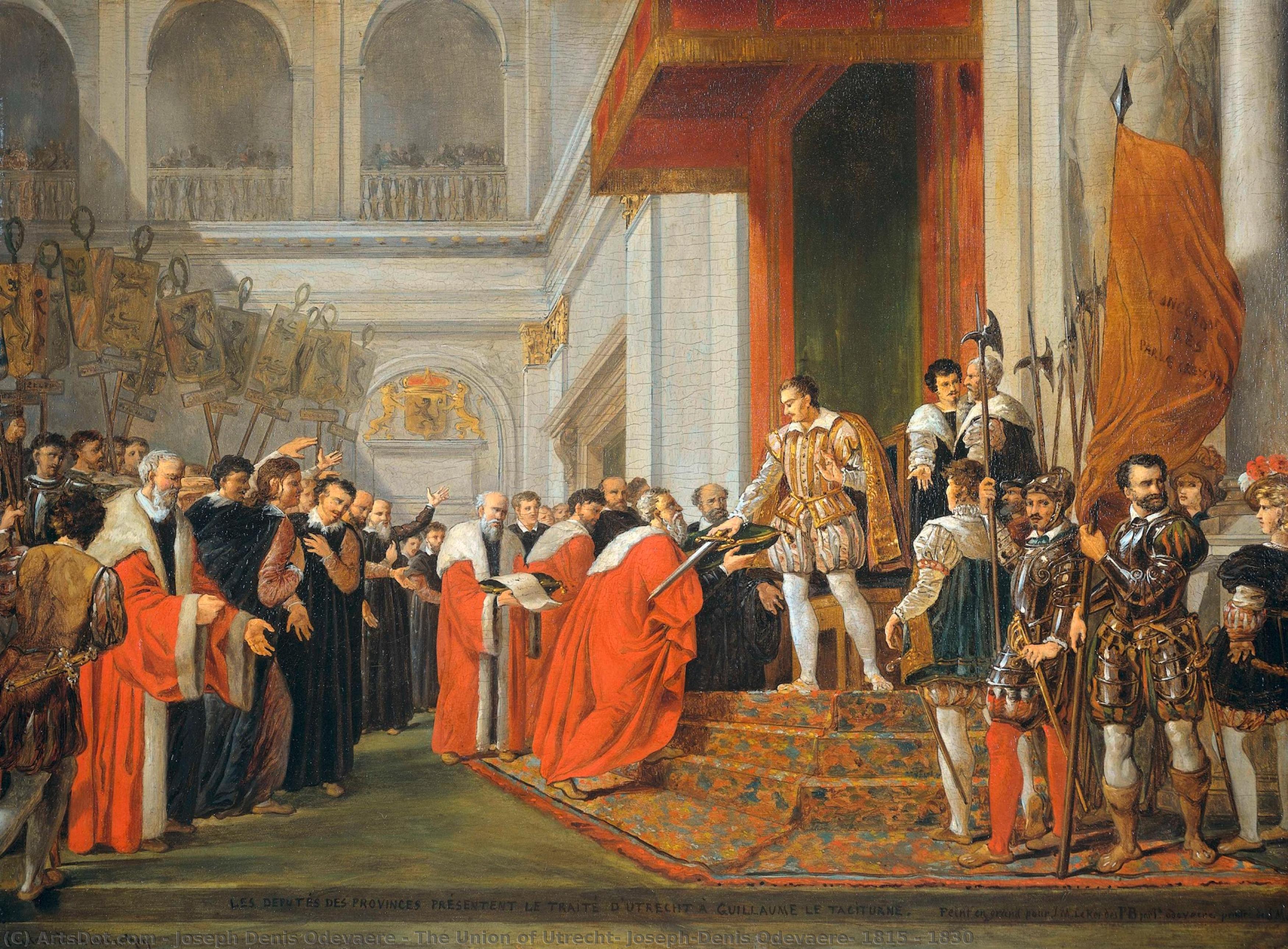
The Union of Utrecht, Joseph-Denis Odevaere, 1815 - 1830
 Neoclassicism
 1830
1830 40.0 x 55.0 cm
 Read More
Purchase a high-resolution, enhanced digital image, far superior to the online preview.
Each file is meticulously prepared by our in-house specialists using advanced tools and expert manual retouching. We ensure every image has exceptional clarity, precise color accuracy, and fine detail.
The final file is delivered via email within 72 hours, optimized for immediate use in professional, editorial, and print environments. This is the same quality trusted by top-tier design studios, publishers, and galleries.
Digital Image
Download a high-resolution file for personal display, printing, and creative projects. ( Buy Print Buy Hand Made Painting)
Included in Every Digital Image Order
Expert Digital Delivery, Guaranteed
When you choose ArtsDot.com, you're not just getting an image - you're receiving a professionally enhanced digital artwork, crafted with precision and backed by a satisfaction guarantee. Here's everything that comes with your order, automatically:

Fast Email Delivery
Your high-resolution digital image file will be emailed to you within 72 hours of ordering - ready for immediate use.

AI-Enhanced Digital File
Your artwork is professionally optimized using advanced AI tools and manual editing, ensuring maximum detail, clarity, and color accuracy.

Free Lifetime Re-Delivery
Accidentally deleted or lost your file? No worries - we'll resend it to you anytime, free of charge.

No Import Fees - Ever
Enjoy your artwork instantly with zero customs, duties, or delivery fees - digital downloads are always tax-free.

Color Accuracy Guarantee
We ensure your digital image reflects the original colors as closely as possible using professional tools and color management.

60-Day Satisfaction Guarantee
If you're not satisfied with your digital image, we'll revise it or refund 100% within 60 days - no questions asked.

100% Money-Back Guarantee
Not satisfied? Get a full refund within 60 days of receiving your digital file - no questions asked.

Bulk Order Discounts
Buy 3 images, save 10% - Buy 5, save 15% - Buy 10+, save 20%. Great for creative projects, galleries, and agencies.
Collectible Description
Related Artworks
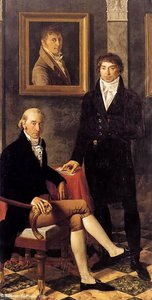
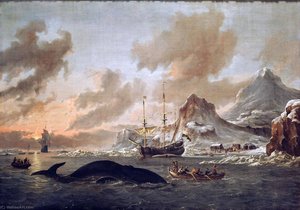
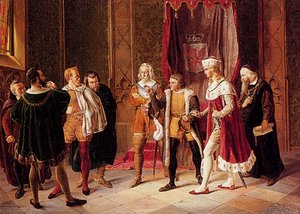
Artist Biography
The Tempestuous Vision of J.M.W. Turner
Joseph Mallord William Turner, a name synonymous with Romanticism and the sublime, remains one of the most enigmatic and profoundly influential figures in British art history. Born in 1775 amidst the bustling streets of Covent Garden, London, Turner’s journey from a child prodigy to a celebrated, yet often misunderstood, artist is a testament to his relentless pursuit of capturing the essence of light, atmosphere, and emotion. His life was marked by both extraordinary artistic achievement and personal turmoil, shaping the very nature of his groundbreaking work. He wasn't simply a painter; he was an explorer of sensation, translating the world’s fleeting moments into vibrant, unforgettable canvases.- Early Years & Training: Turner’s early talent was undeniable. He began sketching at the age of three and by fourteen, he was enrolled at the Royal Academy of Arts, a remarkable feat for someone from a modest background. His initial training focused on topographical drawing – meticulously rendering recognizable scenes – but this foundational skill would later serve as a springboard for his more imaginative explorations. Crucially, he also apprenticed himself to William Strachey, a master watercolorist who instilled in him the techniques of layering washes and building up color gradually.
- Dutch Influences: Turner’s artistic development was profoundly shaped by the Dutch Golden Age painters, particularly Willem van der Velde and Jan Both. He admired their atmospheric perspective, dramatic lighting, and ability to convey a sense of vastness and mystery. These influences are evident in his early works, which often feature meticulously rendered landscapes imbued with a subtle, almost ethereal quality.
- A Reclusive Genius: Despite achieving considerable success, Turner was notoriously private and eccentric. He avoided social engagements, preferring the solitude of his studio where he could immerse himself in his work. This reclusiveness contributed to his unconventional methods and his willingness to challenge artistic conventions.
The Evolution of a Style – From Topography to Sublime
Turner’s artistic style underwent a dramatic transformation throughout his long career, reflecting not only his evolving technical skills but also his shifting philosophical perspectives. Initially, he produced highly detailed topographical watercolors, meticulously documenting the landscapes and buildings of England. However, as he matured, he increasingly abandoned precise representation in favor of capturing the *feeling* of a place – its light, mood, and emotional resonance. This shift is particularly evident in his later works, which are characterized by loose brushstrokes, vibrant colors, and an almost hallucinatory intensity.- Early Watercolors: His early watercolors, such as *The River Thames at Battersea* (1798), demonstrate a remarkable ability to capture the effects of light and atmosphere. These works are characterized by careful observation and a restrained palette.
- The Influence of Romanticism: Turner embraced the tenets of Romanticism – an emphasis on emotion, imagination, and the power of nature – but he ultimately transcended its limitations. He sought not merely to depict beauty but to evoke a sense of awe and terror, capturing the sublime—the experience of confronting something vast and overwhelming.
- Breaking with Tradition: Turner deliberately rejected the prevailing academic style of his time, which favored historical subjects and idealized forms. He instead focused on contemporary scenes – seascapes, cityscapes, and industrial landscapes – often depicting them in a highly subjective and expressive manner.
Mastering Light and Atmosphere
Turner’s greatest achievement lay in his unparalleled ability to capture the effects of light and atmosphere. He was obsessed with understanding how light interacts with surfaces, creating an illusion of depth, volume, and movement. His technique involved layering thin washes of color upon each other, building up a complex surface texture that shimmered and glowed. He frequently worked *alla prima* – directly on the canvas without preliminary sketches – allowing him to instinctively respond to the changing light conditions.- Watercolour Techniques: Turner’s mastery of watercolor is legendary. He developed his own unique techniques for manipulating color, creating luminous washes and subtle gradations that seemed to defy the limitations of the medium.
- Oil Painting Innovations: In oil painting, he employed a similar approach, building up layers of paint to create a sense of atmospheric depth and luminosity. His use of impasto – thick applications of paint – added texture and dynamism to his canvases.
- The Pursuit of the Sublime: Turner’s fascination with light was inextricably linked to his pursuit of the sublime—the experience of confronting something vast, powerful, and awe-inspiring. He sought to capture this feeling in his paintings, creating images that evoked a sense of wonder, terror, and spiritual transcendence.
A Lasting Legacy – Precursor to Modernism
Joseph Mallord William Turner’s influence on subsequent generations of artists is immeasurable. His radical approach to color, composition, and subject matter paved the way for Impressionism and Abstract Art. He demonstrated that art could be more than a mere representation of reality; it could be a vehicle for expressing emotion, exploring ideas, and capturing the fleeting beauty of the world.- Influence on Impressionism: Artists such as Monet and Renoir were deeply influenced by Turner’s use of light and color, adopting his techniques to capture the ephemeral qualities of modern life.
- A Visionary Spirit: Turner's work continues to resonate with viewers today, reminding us of the power of art to transport us beyond the confines of our everyday experience. He remains a symbol of artistic innovation, courage, and visionary spirit.
- Critical Recognition: Despite initial skepticism, Turner’s reputation grew steadily throughout his lifetime, culminating in John Ruskin's fervent advocacy in 1840. Today, he is widely regarded as one of the greatest artists of all time.
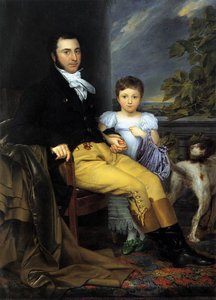
joseph denis odevaere
1775 - 1830 , Belgium
Quick Facts
- Artistic Movement Or Style: Romanticism, Precursor of Impressionism
- Artists Or Movements Influenced By This Artist:
- Impressionism
- Abstract Art
- Artists Who Influenced This Artist:
- Willem van der Velde
- Claude Lorrain
- Richard Wilson
- Date Of Birth: 23 April 1775
- Date Of Death: 19 December 1851
- Full Name: Joseph Mallord William Turner
- Nationality: English
- Notable Artworks:
- The Fighting Temeraire
- Rain, Steam and Speed
- Snow Storm: Hannibal Crossing the Alps
- Place Of Birth: London, England

