 Preview
 Send
Send Share
Share
 Details

 Download
 Similars
 X-Ray
X-Ray Diaporama
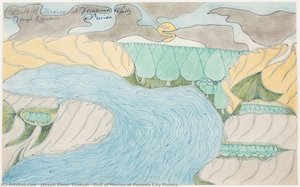
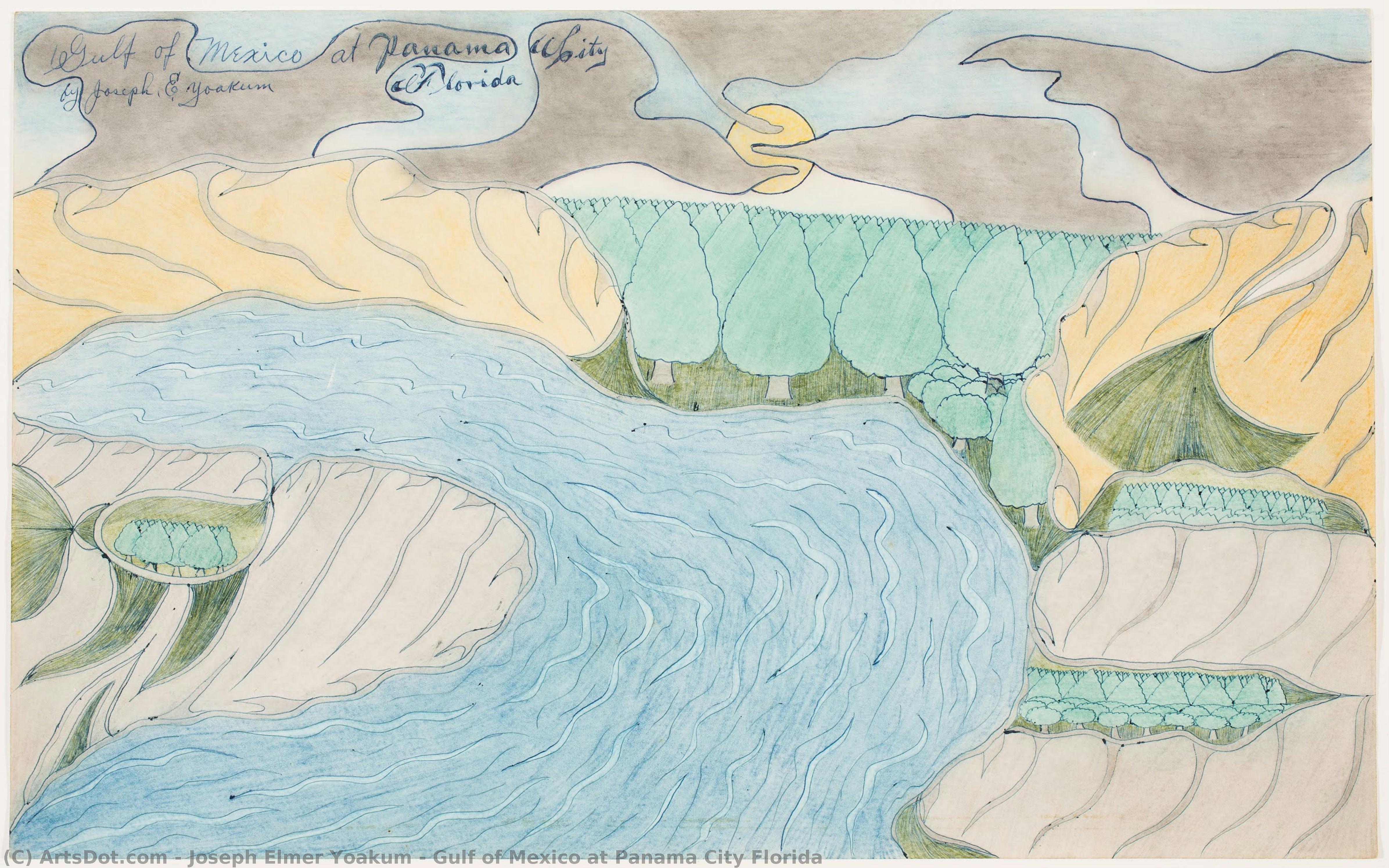
Gulf of Mexico at Panama City Florida
 1960
1960 30.0 x 48.0 cm
 Read More
Giclée / Art Print
Museum-quality giclée or canvas print with fast production and flexible finish options. ( Buy Hand Made Painting Buy Image)




































Pick from our preset sizes that match the artwork's original proportions.

You may enter your own dimensions to fit a specific frame or space. If your selected size does not match the original image's proportions, we will either crop the artwork or extend the image with a mirrored or solid-fill edge. A digital mockup will be sent for your approval before production begins.
Please note that the on-screen preview does not reflect the actual cropping or extension. Only the mockup will accurately show the final composition.
While custom sizes are available, we recommend selecting a dimension from the predefined list to preserve the original proportions.
Worldwide Delivery () in 2 weeks instead of standard 4/5 weeks. (2 September)

Free Worldwide Express Shipping

High-Quality Linen Canvas

Full Shipping Insurance

Customs Tax Refund Guarantee

True Color Matching Guarantee

60-Day Return Policy (Defects Only)

100% Money-Back Guarantee

Bulk Discount Offer
 Glass option is only available in size under 110 CM

Gulf of Mexico at Panama City Florida
Giclée / Art Print
Reproduction Size
-


Total Price
$ 63
Related Artworks








Artist Biography
The Wandering Visionary: The Life and Legacy of Joseph Yoakum
To look upon the works of Joseph Elmer Yoakum is to embark on a journey through a world that feels simultaneously intimately familiar and breathtakingly alien. Born in the late nineteenth century, Yoakum was a man whose very existence seemed to be a tapestry of movement and mystery. While biographical details regarding his early years in Missouri remain as elusive as the mountain ranges he depicted, his life was defined by a profound sense of wanderlust. Whether he was traveling with the legendary Buffalo Bill’s Wild West Show as a young boy or serving in a segregated regiment during the Great War, Yoakum moved through the world with an observant eye, collecting landscapes and cultures like precious specimens. His identity itself was a fluid, poetic construct; he spoke of African American, French, and Native American lineages, weaving a personal mythology that mirrored the complex, layered compositions of his art.
The true metamorphosis of Yoakum, however, did not occur on the dusty roads of the American West or the vibrant streets of Europe, but within the quiet sanctuary of his own mind. It was only in 1962, at the remarkable age of seventy-one, that a dream ignited a creative fire that would consume the final decade of his life. This late-blooming artistic awakening transformed a retired veteran into one of the most compelling voices in American outsider art. Driven by a sudden, spiritual compulsion to record the vistas he had witnessed—and perhaps those he had only imagined—he began a prolific daily practice. In just ten years, he produced an extraordinary corpus of over two thousand drawings, each serving as a vibrant testament to a life lived in motion.
A Cartography of Dreams and Memory
Yoakum’s technique defies the traditional boundaries of landscape painting, opting instead for a highly idiosyncratic, rhythmic style that borders on the abstract. His compositions are characterized by winding roads, undulating mountains, and majestic waterways that flow across the paper in complex, interlocking configurations. There is a certain musicality to his line work; the paths he draws do not merely represent trails but act as veins connecting disparate parts of a fantastical geography. Using radiant colors, he imbued his landscapes with a sense of spiritual vitality, creating "delirious vistas" that capture the essence of a place rather than its literal topography. These works are not mere maps, but emotional cartographies—recollections filtered through a lens of deep spirituality and imaginative reconstruction.
The power of his work lies in its ability to blend the historical with the mythical. While many of his subjects were real locations he had visited during his nomadic years, the execution is purely visionary. He stripped away the mundane details of reality to reveal the skeletal beauty of the earth. This approach placed him firmly within the tradition of outsider art, yet his reach extended far beyond the margins. His ability to synthesize the ruggedness of the American frontier with a sophisticated, almost decorative abstraction allowed his work to resonate with both folk sensibilities and modern aesthetic sensibilities.
Recognition and Eternal Significance
The ascent of Joseph Yoakum from an unknown retiree to a celebrated figure in the international art world is one of the most poignant narratives in twentieth-century art history. His discovery by influential figures, such as John Hopgood and curators at the Art Institute of Chicago, brought his "dream-like" landscapes to the attention of the broader public. The pinnacle of this recognition arrived in 1972, when he was granted a solo exhibition at The Whitney Museum in New York City. This milestone served as a formal validation of his unique contribution to the American canon, cementing his status as an artist whose vision transcended the labels of "self-taught" or "naive."
Today, the legacy of Joseph Yoakum persists as a profound reminder of the limitless capacity of the human imagination. His work continues to challenge our perceptions of memory and reality, inviting viewers to wander through his colorful, winding worlds. He remains a singular figure—a man who spent his life seeing the world with his eyes, only to spend his final years recreating it through the soul. Through his prolific output, he left behind a permanent record of a lifetime of movement, transformed into an enduring, static beauty that continues to captivate and inspire.
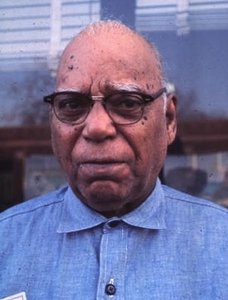
joseph elmer yoakum
1891 - 1972 , United States of America
Quick Facts
- Artistic Movement Or Style: Outsider art
- Artists Or Movements Influenced By This Artist: ['Romanticism']
- Artists Who Influenced This Artist:
- Richard Mayhew
- Thomas Cole
- Date Of Birth: February 22, 1891
- Date Of Death: December 25, 1972
- Full Name: Joseph Elmer Yoakum
- Nationality: American
- Notable Artworks: ['Untitled']
- Place Of Birth: Ash Grove, Missouri