 Preview
 Send
Send Share
Share
 Details

 Download
 Similars
 X-Ray
X-Ray Diaporama
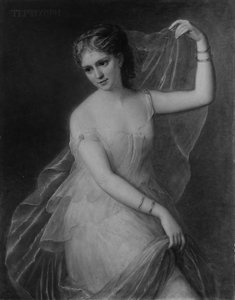
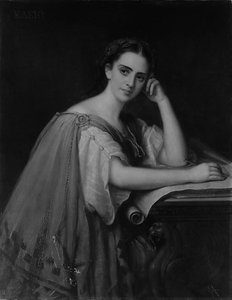
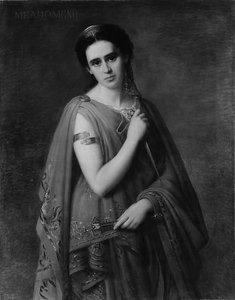
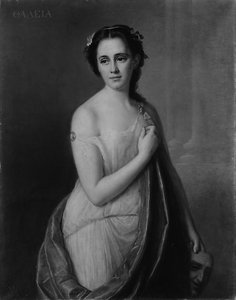
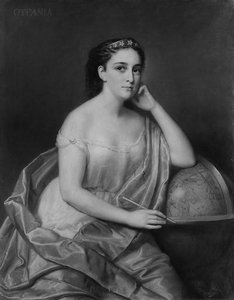
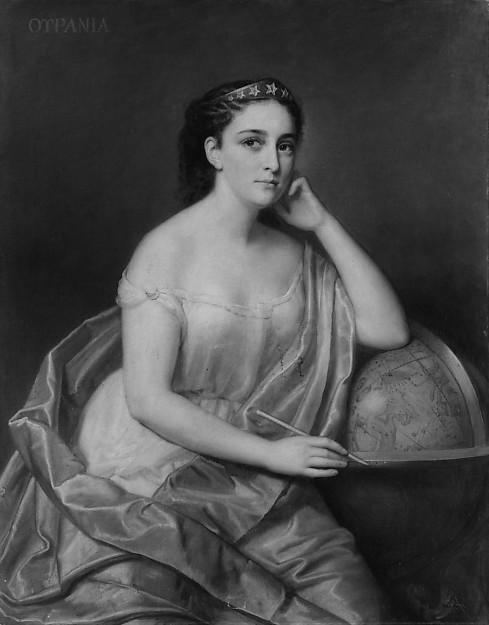
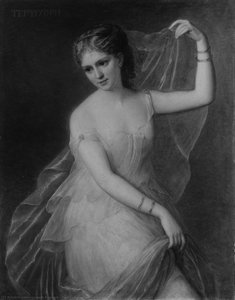
Urania
 1869
1869 111.0 x 84.0 cm
 Read More
Hand Made Oil Reproduction
Hand-painted oil on canvas in your size and frame, made to order by our artists. ( Buy Print Buy Image)




































Pick from our preset sizes that match the artwork's original proportions.

You may enter your own dimensions to fit a specific frame or space. If your selected size does not match the original image's proportions, we will either crop the artwork or extend the painting with additional hand-painted elements. A digital mockup will be sent for your approval before production begins.
Please note that the on-screen preview does not reflect the actual cropping or extension. Only the mockup will accurately show the final composition.
While custom sizes are available, we recommend selecting a dimension from the predefined list to preserve the original proportions.
After order, ArtsDot.com team will email client for instructions and provide a mockup preview
Worldwide Delivery () in 3/4 weeks instead of standard 5 weeks. (20 August). No compromise on quality.

Free Worldwide Express Shipping

High-Quality Linen Canvas

Full Shipping Insurance

Customs Tax Refund Guarantee

True Color Matching Guarantee

60-Day Return Policy (Defects Only)

100% Money-Back Guarantee

Bulk Discount Offer
 Glass option is only available in size under 110 CM

Urania
Reproduction Medium
Reproduction Size
-


Total Price
$ 263
Related Artworks
Artist Biography
Joseph Fagnani: A Russian Soul in Parisian Light
Born in 1819, Joseph Fagnani’s artistic journey was a testament to the transformative power of migration and cultural exchange. Initially rooted in Naples, Italy, his early training likely encompassed traditional Italian techniques, yet it was his relocation to Paris in the mid-1840s that fundamentally shaped his distinctive style – a potent blend of Romanticism, Symbolism, and a distinctly Russian sensibility. This period marked a crucial shift; Fagnani wasn’t merely absorbing Parisian artistic trends but actively synthesizing them with his own heritage, creating images imbued with both European sophistication and the evocative spirit of his homeland.
Fagnani's early Parisian years were characterized by a fascination with mythological subjects. He quickly established himself as a portraitist, capturing the elegance and social standing of his clientele. However, it was his engagement with the burgeoning Symbolist movement that truly defined his artistic legacy. Influenced by artists like Gustave Moreau and Alexandre Cabanel, Fagnani began to explore themes of spirituality, dreams, and the subconscious—elements deeply resonant within Russian art history.
The Influence of Russian Symbolism
Fagnani’s connection to Russia wasn't merely geographical; it was profoundly intertwined with his artistic development. He spent a significant portion of his career in Saint Petersburg, becoming acquainted with the vibrant and evolving Symbolist scene that was taking root there. This immersion exposed him to the rich tapestry of Russian folklore, mythology, and religious iconography – elements which would subsequently permeate his work. The melancholic beauty and spiritual depth characteristic of Russian art—particularly evident in artists like Ivan Kramskoi and Mikhail Vrubel—found a powerful echo in Fagnani’s compositions.
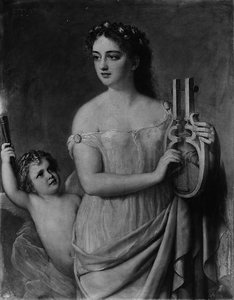
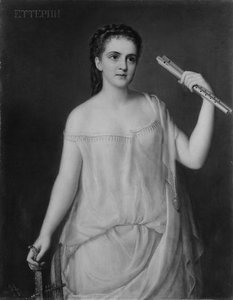
His depictions of figures such as Polyhymnia (also known as Polymnia) exemplify this influence. The Muse, traditionally associated with poetry and music, is rendered not merely as a classical figure but as a deeply introspective and emotionally charged presence. Her pose, the arrangement of her garments, and the subtle play of light all contribute to an atmosphere of quiet contemplation—a hallmark of Russian Symbolist aesthetics.
Key Works and Artistic Techniques
Fagnani’s oeuvre is distinguished by his masterful command of color and light. He employed a rich, velvety palette, often utilizing deep blues, purples, and golds to evoke a sense of mystery and drama. His brushwork was typically smooth and blended, creating an almost luminous effect—a technique he likely honed during his time in Paris but refined through the lens of Russian Symbolism.
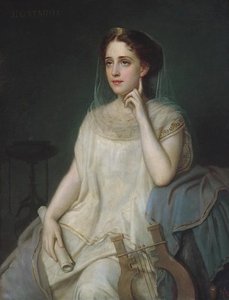
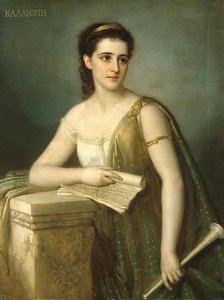
Notable works include “Polyhymnia,” a captivating portrait that showcases his ability to imbue mythological figures with psychological depth. “Calliope,” another significant piece, similarly demonstrates his skill in capturing ethereal beauty and conveying a sense of profound emotion. These paintings are not simply representations of classical subjects; they are explorations of the human spirit—a testament to Fagnani’s artistic vision.
Legacy and Historical Significance
Despite his relatively short career – he died in 1873 – Joseph Fagnani left an indelible mark on the art world. His work bridged the gap between European Symbolism and Russian artistic sensibilities, contributing to a broader understanding of both traditions. His paintings are now housed primarily at the Brodsky House Museum in Saint Petersburg, Russia, a fitting testament to his enduring legacy as a pivotal figure in 19th-century art history.
Fagnani’s influence extends beyond individual works; he represents a crucial link between the artistic currents of Europe and Russia. His ability to synthesize diverse influences—Italian technique, Parisian Symbolism, and Russian spirituality—solidifies his position as a unique and compelling artist whose work continues to resonate with viewers today.
joseph fagnani
1819 - 1873
Quick Facts
- Artistic Movement Or Style: Russian Symbolism
- Artists Or Movements Influenced By This Artist: ['Symbolist Painting']
- Artists Who Influenced This Artist: ['Gustave Moreau']
- Date Of Birth: 1819
- Date Of Death: 1873
- Full Name: Joseph Fagnani
- Nationality: Italian/American
- Notable Artworks:
- Polyhymnia
- Calliope
- Place Of Birth: Naples, Italy