 Preview
 Send
Send Share
Share
 Details

 Download
 Similars
 X-Ray
X-Ray Diaporama
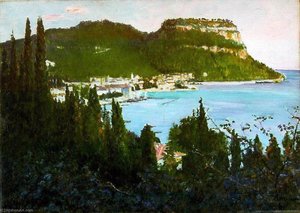
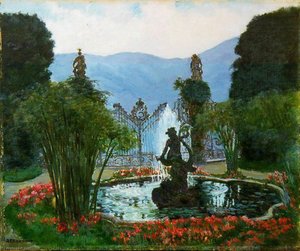
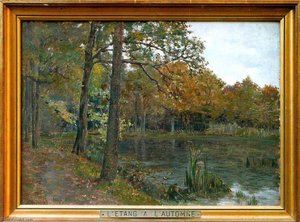
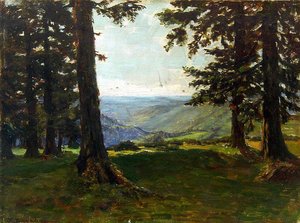
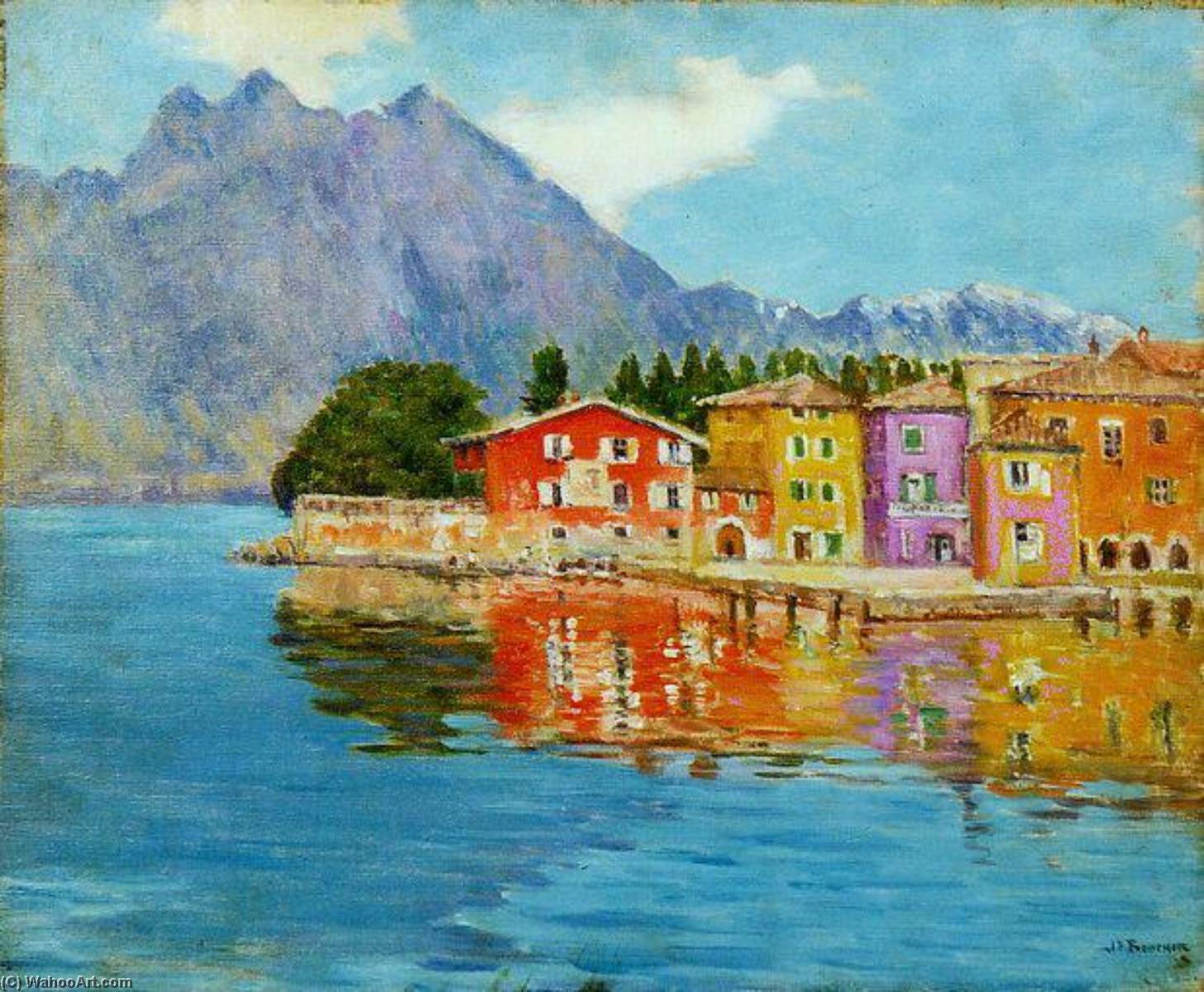
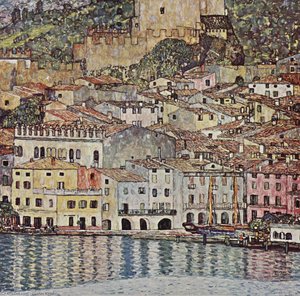
Torbole sur le lac de Garde (titre inscrit)
 Read More
Hand Made Oil Reproduction
Hand-painted oil on canvas in your size and frame, made to order by our artists. ( Buy Print Buy Image)




































Pick from our preset sizes that match the artwork's original proportions.

You may enter your own dimensions to fit a specific frame or space. If your selected size does not match the original image's proportions, we will either crop the artwork or extend the painting with additional hand-painted elements. A digital mockup will be sent for your approval before production begins.
Please note that the on-screen preview does not reflect the actual cropping or extension. Only the mockup will accurately show the final composition.
While custom sizes are available, we recommend selecting a dimension from the predefined list to preserve the original proportions.
After order, ArtsDot.com team will email client for instructions and provide a mockup preview
Worldwide Delivery () in 3/4 weeks instead of standard 5 weeks. (16 August). No compromise on quality.

Free Worldwide Express Shipping

High-Quality Linen Canvas

Full Shipping Insurance

Customs Tax Refund Guarantee

True Color Matching Guarantee

60-Day Return Policy (Defects Only)

100% Money-Back Guarantee

Bulk Discount Offer
 Glass option is only available in size under 110 CM

Torbole sur le lac de Garde (titre inscrit)
Reproduction Medium
Reproduction Size
-


Total Price
$ 263
Related Artworks
Artist Biography
A Life Painted in Light and Shadow: The World of Joseph-Félix Bouchor
Joseph-Félix Bouchor, born in the heart of Paris in 1853, was an artist whose life mirrored the tumultuous currents of his era. His journey from a student at the prestigious Beaux-Arts to a chronicler of war and a captivated explorer of North African landscapes is a testament to both artistic dedication and a keen sensitivity to the world around him. Bouchor’s early training instilled in him a mastery of classical techniques, a foundation upon which he would build a diverse and compelling body of work. His debut at the Salon des Artistes Français in 1878 marked not just an entry into the Parisian art scene, but the beginning of a career defined by both technical skill and evolving artistic vision. He wasn’t merely painting what he saw; he was interpreting it through a lens shaped by academic rigor and a growing personal aesthetic.From Portraits to Poignant Landscapes: The Shaping of an Artistic Voice
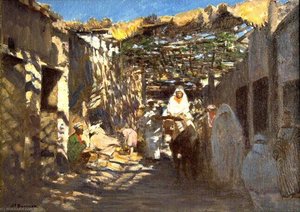
Bouchor's artistic path wasn’t one of immediate, singular focus. He initially honed his skills with portraiture, capturing the likenesses of individuals with a developing eye for detail and character. However, it was his embrace of Orientalism – a fascination with North Africa that swept through 19th-century European art – that truly ignited his creative spirit. Following the First World War, Bouchor embarked on extensive travels throughout Algeria, Morocco, and Tunisia. These journeys weren’t simply expeditions; they were immersions into vibrant cultures, sun-drenched landscapes, and a way of life profoundly different from Parisian society. His canvases began to bloom with bustling market scenes, serene desert vistas, and intimate portraits of the people he encountered. He didn't merely depict these scenes; he infused them with an atmosphere of authenticity, often employing impasto techniques – layering paint thickly upon the canvas – to create a tangible sense of texture and depth. This wasn’t exoticism for its own sake, but rather a genuine attempt to capture the essence of a world that captivated him.Bearing Witness: Bouchor as Documentarian of War
The outbreak of World War I dramatically altered the course of Bouchor's artistic career. Recognizing his talent and sensitivity, the French military commissioned him to document the conflict – a role that transformed him from observer to witness. Embedded with Allied troops, he created a series of paintings depicting the brutal realities of trench warfare, the courage of soldiers, and the devastation wrought upon the landscape. These weren’t idealized depictions of heroism; they were honest portrayals of the intensity and hardship endured by those on the front lines. He captured French and American infantry, cavalry units, and air forces in action, offering a unique historical perspective that went beyond official propaganda. His portraits from this period – including striking likenesses of General John Pershing and French President Georges Clemenceau – solidified his reputation as both an artist and a documentarian. Many of these poignant works now reside within the Musée national de la coopération franco-américaine in Blérancourt, France, serving as invaluable visual records of a pivotal moment in history.A Lasting Legacy: Recognition and Remembrance
Joseph-Félix Bouchor’s contributions to French art have been widely recognized through the inclusion of his works in numerous prestigious public collections. The Musée d'Orsay in Paris boasts an extensive selection of his paintings, showcasing the breadth of his style and subject matter. Museums in Marseille, Angers, Vannes, and Nantes also proudly display significant examples of his artistry. Notable pieces like “Le Cloître de Tréguier,” a meticulously detailed depiction of a medieval cathedral, and “Marché aux bestiaux à Fès,” capturing the energy of a Moroccan livestock market, demonstrate his versatility and skill. Even works like "L'Arrotino à Versailles" reveal his ability to blend portraiture with Orientalist influences, creating compositions that are both intimate and evocative. Bouchor continued to paint and exhibit throughout his life, passing away in Paris in 1937, leaving behind a legacy of artistic exploration and historical documentation. His paintings continue to resonate today, offering viewers a glimpse into the world as he saw it – a world painted with light, shadow, and an unwavering commitment to capturing the human experience.Further Exploration
- Key Themes: Portraiture, Orientalism, Military History, French Landscapes.
- Influences: Classical training at the Beaux-Arts, exposure to 19th-century Romantic and Realist movements, firsthand experience of North African culture.
- Notable Collections: Musée d'Orsay (Paris), Musée national de la coopération franco-américaine (Blérancourt), Museums in Marseille, Angers, Vannes, and Nantes.
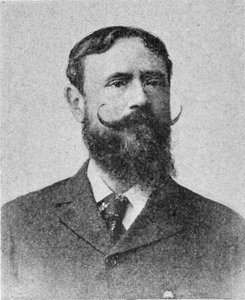
Joseph-Félix Bouchor
1853 - 1937 , France
Quick Facts
- Artistic Movement Or Style: Orientalism, Portraiture
- Date Of Birth: September 15, 1853
- Date Of Death: October 27, 1937
- Full Name: Joseph-Félix Bouchor
- Nationality: French
- Notable Artworks:
- Le Cloître de Tréguier
- Marché aux bestiaux à Fès
- L'Arrotino à Versailles
- Place Of Birth: Paris, France