 Preview
 Send
Send Share
Share
 Details

 Download
 Similars
 X-Ray
X-Ray Diaporama
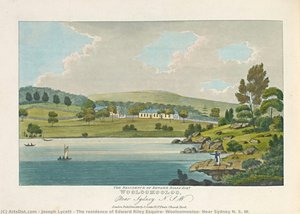
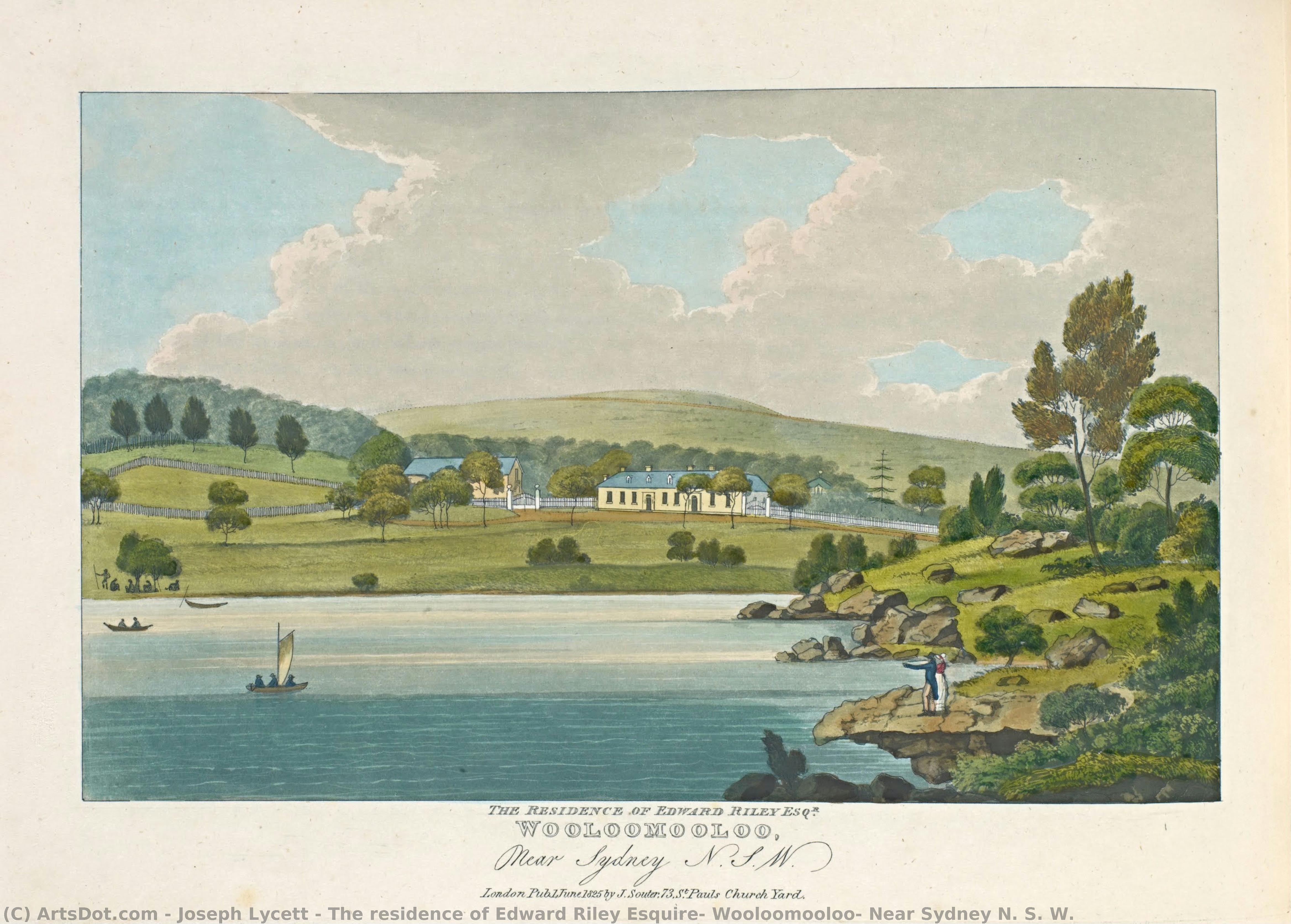
The residence of Edward Riley Esquire, Wooloomooloo, Near Sydney N. S. W.
 Painting
- Romanticism
 1825
1825- 19th Century
 17.0 x 28.0 cm
 National Gallery of Victoria
 Read More
Hand Made Oil Reproduction
Hand-painted oil on canvas in your size and frame, made to order by our artists. ( Buy Print Buy Image)




P118B $10

P118H $10

P118W $10

P438Z $10

P508JH $12

P508YH $12

P805H $10

P805Z $10

P919BZ $10

P919G $10

P919XJ $10

P959ZH $10

P968JZ $12

W106C $8

W218G $10

W218JH $8

W218Y $10

W307PJ $10

W316G $10

W316PJ $8

W316Y $10

W398PJ $8

W4111J $10

W500HY $15

W500JH $15

W692G $12

W849H $8

W940BG $15

W953PJ $8




Pick from our preset sizes that match the artwork's original proportions.

You may enter your own dimensions to fit a specific frame or space. If your selected size does not match the original image's proportions, we will either crop the artwork or extend the painting with additional hand-painted elements. A digital mockup will be sent for your approval before production begins.
Please note that the on-screen preview does not reflect the actual cropping or extension. Only the mockup will accurately show the final composition.
While custom sizes are available, we recommend selecting a dimension from the predefined list to preserve the original proportions.
After order, ArtsDot.com team will email client for instructions and provide a mockup preview
Worldwide Delivery () in 3/4 weeks instead of standard 5 weeks. (27 August). No compromise on quality.

Free Worldwide Express Shipping

High-Quality Linen Canvas

Full Shipping Insurance

Customs Tax Refund Guarantee

True Color Matching Guarantee

60-Day Return Policy (Defects Only)

100% Money-Back Guarantee

Bulk Discount Offer
 Glass option is only available in size under 110 CM

The residence of Edward Riley Esquire, Wooloomooloo, Near Sydney N. S. W.
Reproduction Medium
Reproduction Size
-


Total Price
$ 263
Artwork Description
A Glimpse into Colonial Dreams: Wooloomooloo in Early Nineteenth-Century Australia
To gaze upon Joseph Lycett’s depiction of "The residence of Edward Riley Esquire, Wooloomooloo, Near Sydney N. S. W." is to step across the vast expanse of time and geography, directly into the burgeoning narrative of colonial ambition. This painting, dating from 1825, is far more than a mere picturesque landscape; it functions as a vibrant historical document wrapped in the glossy sheen of Romantic aspiration. Lycett masterfully captures a moment of perceived idyllic settlement against the wild backdrop of early New South Wales. The scene unfolds around a grand residence perched advantageously upon a gentle rise, overlooking tranquil waters where several small boats drift like painted thoughts. One senses not just the beauty of the setting—the towering eucalyptus and the lush greenery—but the very optimism that fueled the great migration waves across the globe.
Technique and The Art of the Idealized View
Lycett’s technique here is characterized by a meticulous attention to detail, typical of topographical illustration elevated to fine art. While the subject matter—a sprawling estate with its manicured gardens and adjacent wilder country—speaks of human endeavor, the execution retains an undeniable painterly grace. The interplay between the solid architecture of the main house and the fluid reflections on the water demonstrates a skilled handling of light. Notice how the artist balances the ordered geometry of the cultivated grounds against the untamed energy suggested by the surrounding bushland. This careful juxtaposition is key; it speaks to the colonial project itself—the desire to tame, categorize, and ultimately claim nature for civilized living.
Historical Resonance: The Allure of the Frontier
The context provided by Lycett’s accompanying writings reveals that this painting was intended not just as art, but as persuasive literature. It served as an unofficial advertisement for emigration. For the discerning collector or decorator today, understanding this intent adds profound depth. This view sells a lifestyle—one of prosperity, natural bounty, and established order far from the crowded realities of London. The inclusion of both the grand estate and hints at indigenous life in the background layers the narrative with complexity, suggesting a place ripe for development, yet already possessing an inherent, deep-rooted character.
Emotional Echoes for the Modern Interior
For those seeking to infuse a space with the spirit of adventure and cultivated elegance, this reproduction offers unparalleled depth. The emotional impact is one of serene aspiration—a longing for a life where natural beauty meets architectural permanence. Imagine placing this piece where light streams in; it becomes a focal point that whispers tales of pioneering spirit and pastoral luxury. It speaks to the collector who appreciates history not as a dusty record, but as an ongoing source of inspiration, blending the romance of the past with the enduring appeal of a beautifully ordered life.
Related Artworks

Artist Biography
The Echoes of the Everyday: Exploring the Work of William Adames
William Adames (1803-1828), a name perhaps less familiar than his contemporaries in the Romantic and early Realist movements, nevertheless carved out a unique and profoundly affecting space within 19th-century British art. Born in London, Adames’ life was tragically short, cut short by tuberculosis at the age of twenty-five, yet during his brief career he produced a body of work that continues to resonate with its quiet observation, meticulous detail, and poignant exploration of ordinary subjects—a hallmark of what would later be termed “Präraffination” or “sublime realism.” His art wasn’t about grand narratives or heroic figures; instead, Adames sought to capture the essence of human experience within the seemingly mundane details of daily life.Early Life and Influences
Adames' artistic journey began with a rigorous apprenticeship under John Esmore Hughes, a portrait painter who instilled in him a strong foundation in classical technique and composition. However, it was the influence of the Pre-Raphaelites – particularly their emphasis on direct observation and detailed rendering – that truly shaped Adames’ approach. The Brotherhood's fascination with medieval art, mythology, and literature provided a crucial counterpoint to the prevailing academic styles of the time. While he never formally joined the group, Adames shared many of their core principles: a commitment to truthfulness in representation, an interest in symbolism, and a rejection of idealized beauty. His early works demonstrate this influence, particularly his depictions of biblical scenes – notably *The Annunciation* (1826) – which are characterized by a remarkable clarity of form and a subtle, almost melancholic atmosphere. The meticulous detail, reminiscent of Flemish masters, combined with the Pre-Raphaelite’s interest in narrative and symbolism, created a distinctive visual language.The Subject Matter: Everyday Life and Psychological Depth
What distinguished Adames from many of his contemporaries was his consistent focus on ordinary subjects – women engaged in domestic tasks, children playing, laborers at work, and scenes of rural life. He wasn’t interested in grand historical events or dramatic narratives; instead, he sought to reveal the inner lives of these individuals through careful observation and psychological insight. His paintings are imbued with a sense of quiet contemplation, inviting viewers to consider the complexities of human experience within seemingly simple moments. *The Milkmaid* (1827), perhaps his most famous work, exemplifies this approach. The painting isn’t merely a depiction of a rural scene; it's a profound meditation on loneliness, isolation, and the weight of routine. The milkmaid’s expression—a mixture of weariness and resignation—is rendered with astonishing subtlety, conveying a wealth of emotion through a single glance. Similarly, *The Shoemaker* (1827) captures the dignity and quiet strength of a working-class man, highlighting his skill and dedication to his craft.Technique and Style: Precision and Atmosphere
Adames’ technical mastery is evident in every detail of his paintings. He employed a meticulous technique, painstakingly building up layers of paint to achieve an extraordinary level of realism. His use of light and shadow was particularly noteworthy, creating atmospheric effects that enhanced the emotional impact of his scenes. He often worked *alla prima*, directly on the canvas without preliminary sketches, allowing him to capture fleeting moments and spontaneous expressions with remarkable immediacy. The influence of Flemish painting is palpable in his handling of color—a rich, luminous palette achieved through careful layering and glazing. Furthermore, Adames’ compositions are typically balanced and harmonious, reflecting a deep understanding of classical principles of design.Legacy and Historical Significance
Despite the brevity of his career, William Adames left a significant mark on British art. His work anticipated many of the developments in Realism that would emerge in the latter half of the 19th century, demonstrating a commitment to depicting everyday life with honesty and psychological depth. While he never achieved widespread fame during his lifetime, his paintings have been increasingly recognized for their quiet beauty, profound insights, and enduring relevance. His focus on the overlooked and the marginalized—the women, children, and laborers of Victorian England—offers a valuable perspective on a period often dominated by narratives of wealth and power. Today, Adames’ work stands as a testament to the power of observation, the importance of empathy, and the beauty that can be found in the most ordinary of subjects. His legacy lies not in grand pronouncements or dramatic gestures, but in the quiet echoes of human experience captured with remarkable precision and sensitivity within his paintings.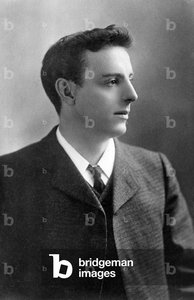
joseph lycett
1828 , United Kingdom
Quick Facts
- Artistic Movement Or Style: World Goes Pop
- Date Of Death: 1828
- Notable Artworks:
- Evelyne Axell
- Joav BarEl
- Thomas Bayrle
Related Articles

Romantic Landscapes: 10 Masterpieces for Your Home | ArtsDot
Journey through 10 Romantic landscape masterpieces by Friedrich, Turner & Cole. Explore emotional art, sublime nature scenes & iconic 19th-century paintings. Find museum-quality reproductions for your home at ArtsDot.com – discover the full collection online!

Evoking Nature's Sublime: A Comprehensive Exploration of 19th-Century Landscape Painting
Explore the captivating world of 19th-century landscape painting! Discover renowned artists like Friedrich & Monet, key movements, and find the perfect artwork to bring nature's serenity into your home. Expert insights at ArtsDot.

John Constable's Masterpieces: Explore 25 Iconic Landscapes for Your Home
Journey through John Constable's 25 most celebrated landscapes. Explore Romanticism, Dedham Vale & his masterful use of light in iconic paintings like 'Hay Wain'. Find museum-quality art reproductions and elevate your home decor on ArtsDot.com.

Romantic Realism's Finest: 10 Masterpieces for Your Home | ArtsDot
Explore 10 defining masterpieces of Romantic Realism! Discover Courbet, Millet & Daumier's powerful paintings—capturing emotion and social realities. Find museum-quality reproductions for your home at ArtsDot.com.

Evoking Emotion & Transcendence: Romantic Landscape Painting (18th-19th Century)
Explore the emotional depth of Romantic landscape painting (18th-19th century). Discover key artists like Friedrich & Cole, and the concepts of the sublime. Expert insights for art lovers & collectors.