 Preview
 Send
Send Share
Share
 Details

 Download
 Similars
 X-Ray
X-Ray Diaporama
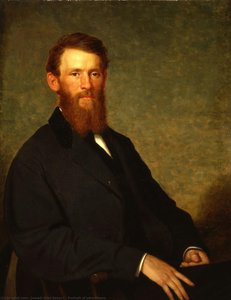
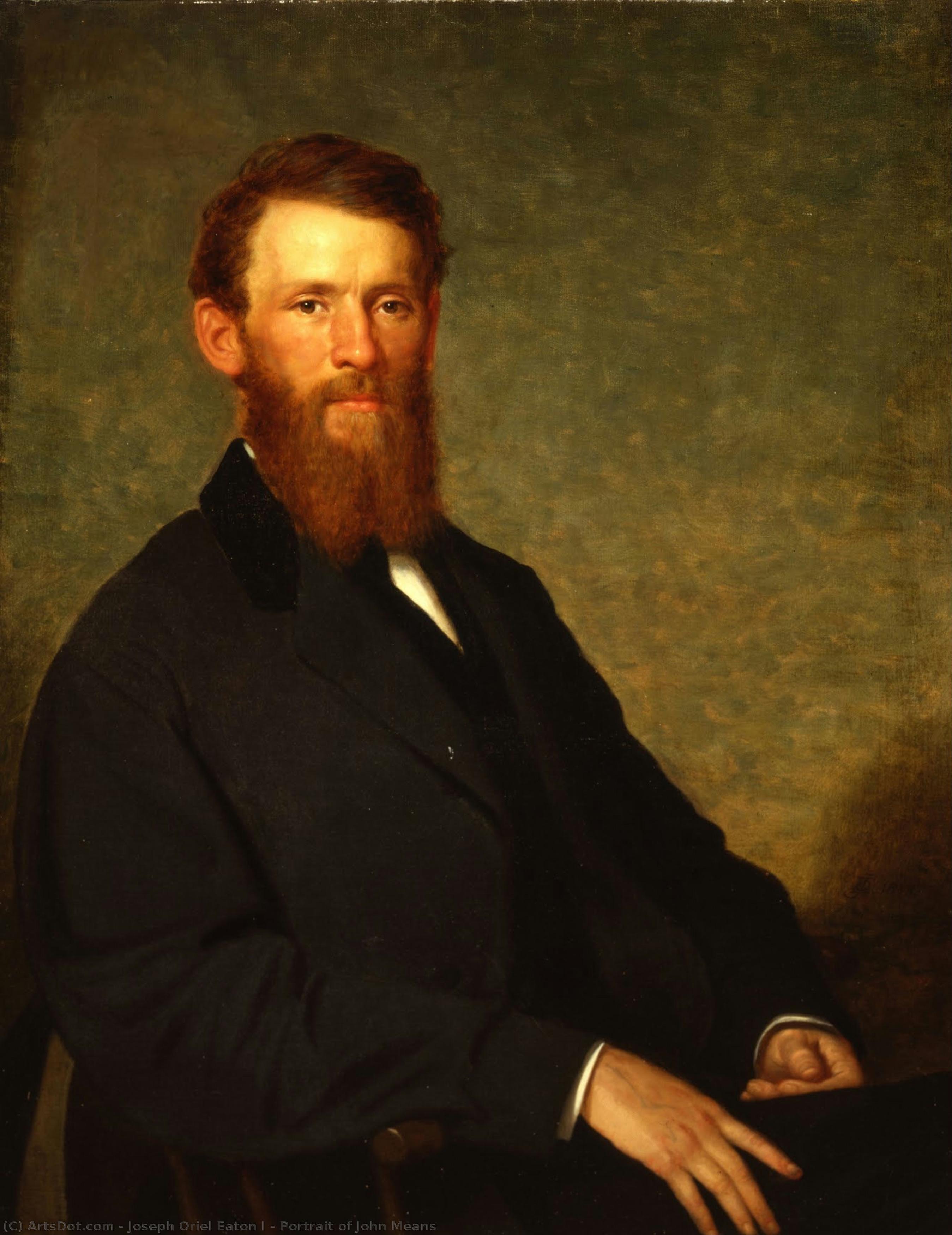
Portrait of John Means

 Read More
Giclée / Art Print
Museum-quality giclée or canvas print with fast production and flexible finish options. ( Buy Hand Made Painting Buy Image)




































Pick from our preset sizes that match the artwork's original proportions.

You may enter your own dimensions to fit a specific frame or space. If your selected size does not match the original image's proportions, we will either crop the artwork or extend the image with a mirrored or solid-fill edge. A digital mockup will be sent for your approval before production begins.
Please note that the on-screen preview does not reflect the actual cropping or extension. Only the mockup will accurately show the final composition.
While custom sizes are available, we recommend selecting a dimension from the predefined list to preserve the original proportions.
Worldwide Delivery () in 2 weeks instead of standard 4/5 weeks. (26 August)

Free Worldwide Express Shipping

High-Quality Linen Canvas

Full Shipping Insurance

Customs Tax Refund Guarantee

True Color Matching Guarantee

60-Day Return Policy (Defects Only)

100% Money-Back Guarantee

Bulk Discount Offer
 Glass option is only available in size under 110 CM

Portrait of John Means
Giclée / Art Print
Reproduction Size
-


Total Price
$ 63
Related Artworks









Artist Biography
Sir John Everett Millais: A Pre-Raphaelite Pioneer
Born in Southampton in 1829, Sir John Everett Millais was a figure of remarkable early promise, swiftly establishing himself as one of the most prominent and influential artists of his generation. His life, intertwined with artistic innovation, personal drama, and shifting aesthetic currents, offers a fascinating glimpse into the vibrant world of Victorian England and the burgeoning Pre-Raphaelite movement. From humble beginnings – the son of a successful merchant – Millais’s journey to artistic renown was marked by prodigious talent, rigorous training, and a relentless pursuit of capturing the beauty and truth he perceived in the natural world.
Millais's early life instilled within him a deep appreciation for observation and detail. He displayed an extraordinary aptitude for drawing from a young age, receiving instruction from local artists before being admitted to the Royal Academy Schools at just eleven years old – a feat unheard of at that time. This rapid progression underscored his exceptional abilities, setting the stage for a career defined by meticulous realism and a profound connection with nature. His early successes, including winning medals at the Society of Arts and the Royal Academy, foreshadowed the artistic heights he would later achieve.
The Pre-Raphaelite Brotherhood: A Rebellion Against Convention
Millais’s life took a pivotal turn in 1848 with the formation of the Pre-Raphaelite Brotherhood – a group of young artists united by a shared desire to reject the academic conventions and idealized representations prevalent in art at the time. Inspired by figures like William Holman Hunt and Dante Gabriel Rossetti, the brotherhood sought to revive the spirit of the early Renaissance, particularly the works of Raphael and his predecessors. They championed a return to direct observation, rejecting artificiality and embracing vibrant colors, detailed realism, and moral themes.
Millais quickly became the most visible and arguably the most successful member of the group. His painting *Isabella* (1848-9), depicting Ophelia from Shakespeare’s *Hamlet*, caused a sensation – and considerable controversy – due to its shockingly realistic portrayal of nudity, challenging Victorian sensibilities. This work established Millais's signature style: meticulous detail, evocative lighting, and a focus on natural beauty, often imbued with symbolic meaning. *Christ in the House of His Parents ('The Carpenter’s Shop')*, completed in 1851-52, further cemented his reputation as a leading exponent of Pre-Raphaelite ideals, depicting a scene from the Gospels with remarkable accuracy and emotional resonance.
A Shift Towards Realism and Popular Success
As the decades progressed, Millais’s artistic style underwent a subtle but significant transformation. While he continued to embrace the Pre-Raphaelite emphasis on naturalism and detailed observation, he gradually moved away from the group's overtly symbolic approach, developing a more direct and accessible form of realism. This shift coincided with his marriage to Effie Chalmers in 1855, who became a passionate advocate for his work and played a crucial role in securing commissions and expanding his social circle.
The mid-to-late Victorian era witnessed a remarkable surge in Millais’s popularity. His paintings of children – *Bubbles* (1886), *Stella* (1868) – captured the idealized beauty of youth, resonating deeply with a public eager for depictions of domestic tranquility and moral virtue. He also excelled as a portraitist, capturing the likenesses of prominent figures such as Gladstone, Tennyson, and Disraeli, demonstrating his technical skill and ability to convey personality.
Legacy and Historical Significance
Sir John Everett Millais died in London in 1896, leaving behind a substantial body of work that continues to captivate audiences today. His paintings are celebrated for their exquisite detail, evocative lighting, and profound connection with the natural world. Millais’s influence on subsequent generations of artists is undeniable, shaping the course of Pre-Raphaelite art and paving the way for Impressionism.
Despite initial criticism from some former Pre-Raphaelite colleagues who viewed his later work as a compromise, Millais's legacy has been largely reassessed in recent decades. His paintings are now recognized for their sophisticated realism, masterful technique, and enduring appeal. Millais remains a pivotal figure in British art history, embodying the spirit of innovation, observation, and artistic ambition that defined the Victorian era.
joseph oriel eaton i
1829 - 1875 , United States of America
Quick Facts
- Artistic Movement Or Style: Pre-Raphaelite Brotherhood
- Artists Or Movements Influenced By This Artist:
- William Morris
- Modernism
- Artists Who Influenced This Artist:
- Holman Hunt
- Rossetti
- Date Of Birth: June 8, 1829
- Date Of Death: August 13, 1896
- Full Name: Sir John Everett Millais, Bt
- Nationality: English
- Notable Artworks:
- Ophelia
- Christ in the House of His Parents
- Bubbles
- Place Of Birth: Southampton, England