 Preview
 Send
Send Share
Share
 Details

 Download
 Similars
 X-Ray
X-Ray Diaporama
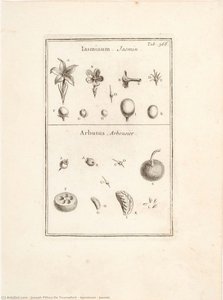
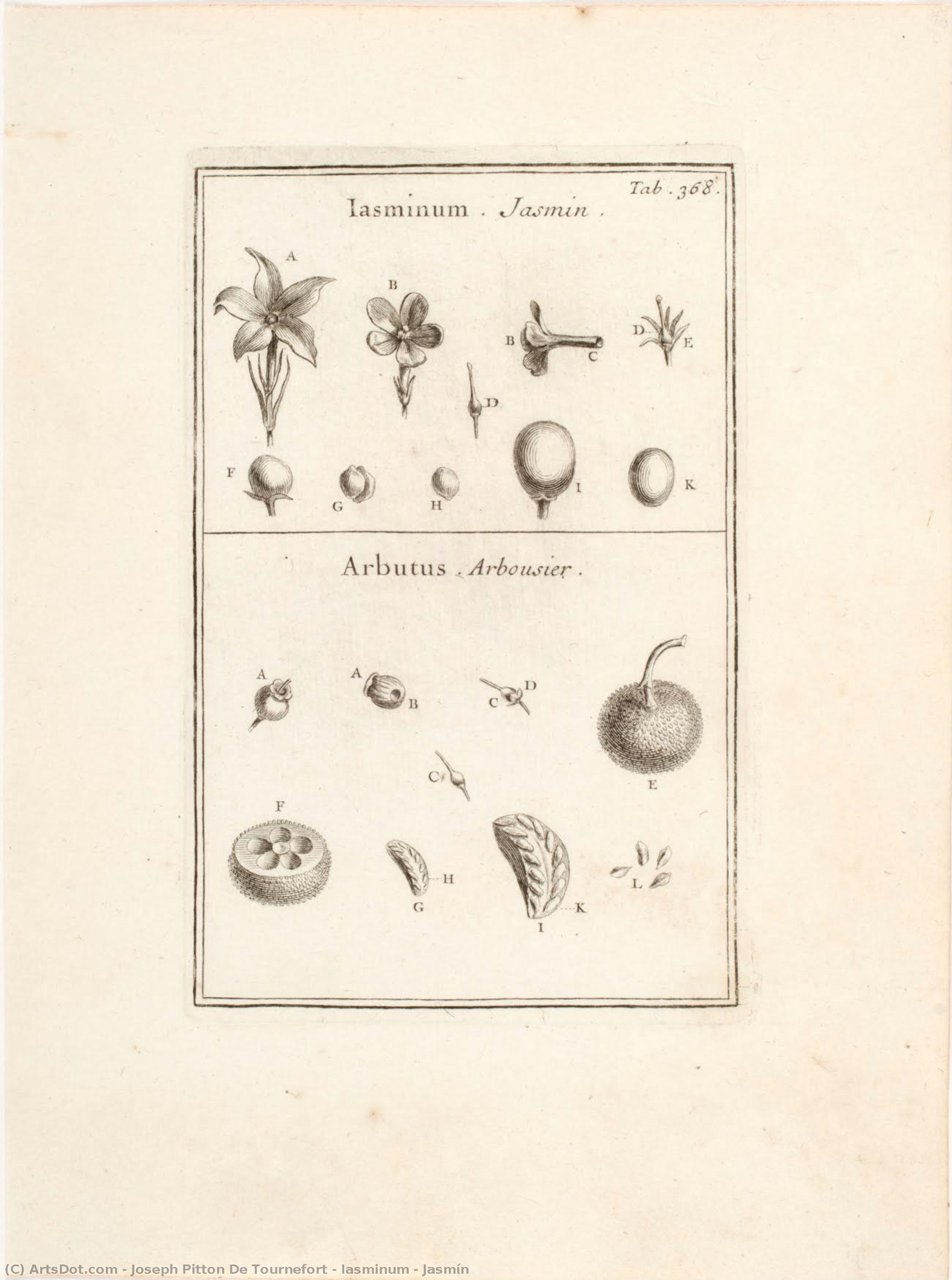
Iasminum - Jasmín


 Read More
Hand Made Oil Reproduction
Hand-painted oil on canvas in your size and frame, made to order by our artists. ( Buy Print Buy Image)




































Pick from our preset sizes that match the artwork's original proportions.

You may enter your own dimensions to fit a specific frame or space. If your selected size does not match the original image's proportions, we will either crop the artwork or extend the painting with additional hand-painted elements. A digital mockup will be sent for your approval before production begins.
Please note that the on-screen preview does not reflect the actual cropping or extension. Only the mockup will accurately show the final composition.
While custom sizes are available, we recommend selecting a dimension from the predefined list to preserve the original proportions.
After order, ArtsDot.com team will email client for instructions and provide a mockup preview
Worldwide Delivery () in 3/4 weeks instead of standard 5 weeks. (6 September). No compromise on quality.

Free Worldwide Express Shipping

High-Quality Linen Canvas

Full Shipping Insurance

Customs Tax Refund Guarantee

True Color Matching Guarantee

100-Day Return Policy (Defects Only)

100% Money-Back Guarantee

Bulk Discount Offer
 Glass option is only available in size under 110 CM

Iasminum - Jasmín
Reproduction Medium
Reproduction Size
-


Total Price
$ 263
Related Artworks







Artist Biography
The Architect of the Natural Order
In the golden age of scientific discovery, few figures cast as long a shadow over the natural world as Joseph Pitton de Tournefort. Born in the sun-drenched landscape of Aix-en-Provence in 1656, his life was a profound testament to the transformative power of curiosity. Though his early path was paved with the solemnity of theological studies at a Jesuit convent, the sudden loss of his father acted as a catalyst, redirecting his spirit from the divine mysteries of the Church toward the intricate, living tapestries of the earth. This shift led him to the medical halls of Montpellier, where the study of healing plants ignited a lifelong devotion to the botanical sciences.
Tournefort was not merely a scholar confined to dusty libraries; he was an explorer whose very footsteps helped map the floral diversity of Europe and beyond. His expeditions were grand, sweeping odysseys that carried him through the rugged Pyrenees, across the vibrant landscapes of Spain and Portugal, and into the ancient, storied terrains of Greece, Anatolia, and Armenia. These journeys were more than simple collections of specimens; they were immersive encounters with the wild, where every petal and leaf became a piece of a much larger, cosmic puzzle. Accompanied by brilliant minds such as the botanist Charles Plumier and the gifted artist Claude Aubriet, Tournefort’s travels bridged the gap between raw observation and the refined art of scientific documentation.
A Legacy Written in Genus and Grace
The true brilliance of Tournefort lay in his ability to impose a sense of legible order upon the chaotic beauty of nature. Before his intervention, the classification of plants lacked a cohesive structural logic. Through his monumental work, Eléments de botanique, published in 1694, he introduced a revolutionary concept that would become the cornerstone of modern taxonomy: the definition of the genus as a fundamental unit of classification. By grouping plants based on shared anatomical characteristics, he provided a linguistic and scientific framework that allowed naturalists to communicate with unprecedented clarity.
While history often remembers Linnaeus as the supreme architect of biological hierarchy, it was Tournefort who laid the essential groundwork. His method, though criticized by some later contemporaries for being purely artificial in its focus on specific morphological traits, possessed a structural elegance and clarity that were unmatched in his era. He transformed botany from a fragmented collection of medicinal lore into a disciplined, systematic science. This achievement did more than just organize plants; it fundamentally altered the human perception of the natural world, turning a wilderness of nameless wonders into an organized library of life.
The Intersection of Science and Art
Beyond the technicalities of taxonomy, Tournefort’s influence extended deeply into the realm of visual culture. The era of his greatest discoveries coincided with a flourishing of botanical illustration, where the precision of science met the delicate touch of fine art. His collaborations with artists like Claude Aubriet ensured that the morphological details he documented were preserved with exquisite fidelity. These illustrations were not merely scientific records; they were works of profound aesthetic beauty that captured the essence of the species, influencing generations of naturalists and illustrators alike.
The tragic end of his life—a sudden death caused by a carriage accident in Paris—did nothing to dim the brilliance of his contributions. Even as his physical presence vanished, his name remained etched into the very geography of science, much like the Rue de Tournefort that still bears his memory in Paris. Today, we recognize Joseph Pitton de Tournefort not just as a botanist, but as a visionary who taught us how to look closely at the world, providing the vocabulary through which we continue to name and understand the magnificent diversity of our planet.

Joseph Pitton de Tournefort
1656 - 1708 , France
Quick Facts
- Artistic Movement Or Style: Botanical Illustration
- Artists Or Movements Influenced By This Artist: ['Botanical Art']
- Artists Who Influenced This Artist: ['Charles Plumier']
- Date Of Birth: June 5, 1656
- Date Of Death: December 28, 1708
- Full Name: Joseph Pitton de Tournefort
- Nationality: French
- Notable Artworks: ['Iasminum - Jasmín']
- Place Of Birth: Aix-en-Provence, France