 Preview
 Send
Send Share
Share
 Details

 Download
 Similars
 X-Ray
X-Ray Diaporama
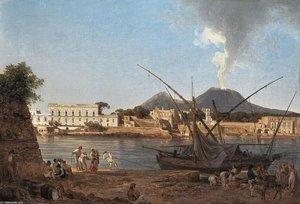
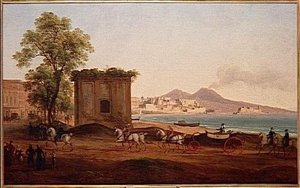
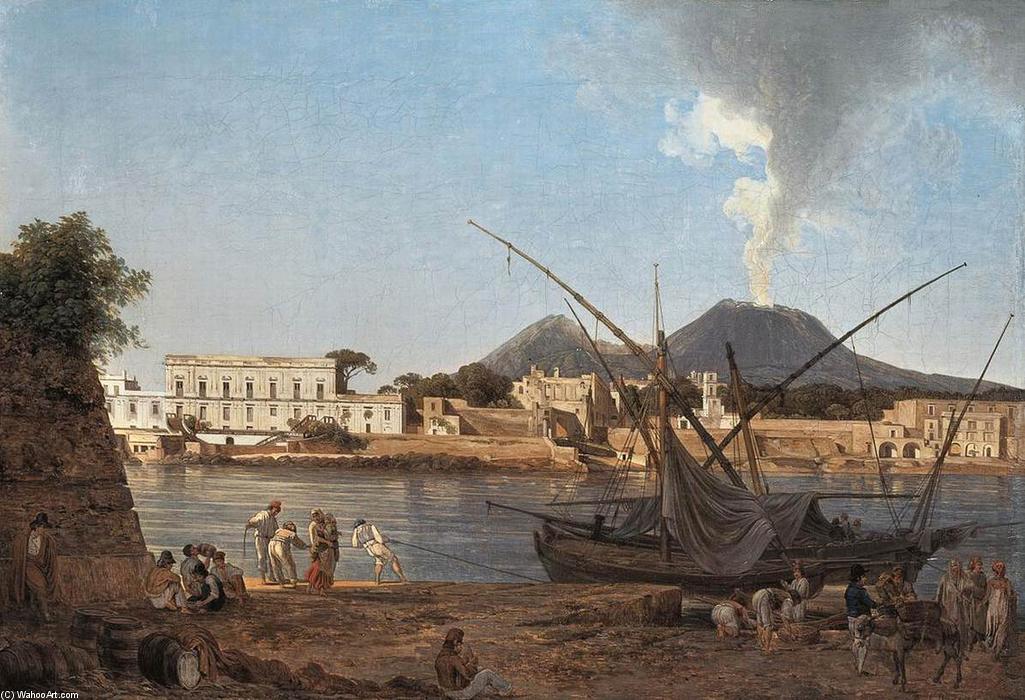
The Mole at Portici
 1818
1818 38.0 x 55.0 cm
 Neue Pinakothek
 Read More
Hand Made Oil Reproduction
Hand-painted oil on canvas in your size and frame, made to order by our artists. ( Buy Print Buy Image)




































Pick from our preset sizes that match the artwork's original proportions.

You may enter your own dimensions to fit a specific frame or space. If your selected size does not match the original image's proportions, we will either crop the artwork or extend the painting with additional hand-painted elements. A digital mockup will be sent for your approval before production begins.
Please note that the on-screen preview does not reflect the actual cropping or extension. Only the mockup will accurately show the final composition.
While custom sizes are available, we recommend selecting a dimension from the predefined list to preserve the original proportions.
After order, ArtsDot.com team will email client for instructions and provide a mockup preview
Worldwide Delivery () in 3/4 weeks instead of standard 5 weeks. (21 August). No compromise on quality.

Free Worldwide Express Shipping

High-Quality Linen Canvas

Full Shipping Insurance

Customs Tax Refund Guarantee

True Color Matching Guarantee

60-Day Return Policy (Defects Only)

100% Money-Back Guarantee

Bulk Discount Offer
 Glass option is only available in size under 110 CM

The Mole at Portici
Reproduction Medium
Reproduction Size
-


Total Price
$ 413
Artwork Description
Composition and Style
The painting depicts a vibrant scene with a large sailing ship docked at a harbor or mole. The central focus is on the ship, with its sails furled, while figures in the foreground engage in various activities. The background features a picturesque landscape with buildings that resemble those from an Italian coastal town. The use of light and shadow adds depth to the scene, creating a three-dimensional effect. Realism is a key element in Joseph Rebell's style, evident in the attention to detail in the ship's rigging and the textures of the buildings and landscape. The painting is a prime example of a genre piece, capturing a moment in everyday life during the early 19th century.Artist and Museum
Joseph Rebell was a talented artist, and his work can be found in prominent museums such as the Neue Pinakothek. The museum is part of the Bavarian State Painting Collections, which oversees a vast collection of artwork, including paintings, sculptures, and photographs.- Other notable artworks at the Neue Pinakothek include pieces by Bertel Thorvaldsen, such as Adonis, and Ridolfo Schadow's Woman Tying Her Sandal.
- For more information on the artist and his work, visit Joseph Rebell: The Mole at Portici on ArtsDot.com.
For those interested in learning more about the artist and his work, Wikipedia provides additional information on Joseph Rebell and his contributions to the art world.
Related Artworks
Artist Biography
Joseph Rebell (1787 – 1828): Bridging Romantic Landscape and Neoclassical Portraiture
Joseph Rebell was born in Vienna, Austria, on January 11, 1787. His artistic inclinations began early, spurred by a fascination with architectural design—a formative influence that would later permeate his landscape paintings. He enrolled at the Akademie der Bildenden Künste in Vienna in 1808 and honed his skills under Michael Wutky, absorbing classical ideals and mastering techniques vital for capturing the grandeur of European vistas.- Early Influences: Rebell’s initial artistic explorations were profoundly shaped by the neoclassical aesthetic championed by artists like Jacques-Louis David, whose monumental canvases instilled in him a commitment to formal precision and idealized representation.
- Swiss Sojourn & Milanese Patronage (1809–1812): Recognizing his talent, Rebell embarked on a journey to Switzerland in 1809, immersing himself in the Alpine landscape—a formative experience that would fuel his future artistic endeavors. Shortly thereafter, he secured patronage from Eugène Beauharnais in Milan, allowing him to refine his craft amidst the vibrant cultural milieu of the Italian court.
Naples and the Court of Murat (1813–1815)
Rebell’s relocation to Naples in 1813 marked a pivotal moment, placing him at the epicenter of artistic innovation during Napoleon's reign. He found himself captivated by Caroline Bonaparte—Napoleon’s youngest sister—who served as regent for Murat and championed Rebell’s artistic pursuits. This association exposed him to the burgeoning Neoclassical movement and fostered collaborations with prominent sculptors and architects. His landscapes from this period exemplify a masterful blend of observation and idealized vision, reflecting the grandeur of Murat's court and capturing the essence of Southern Italy.- Murat’s Influence: Caroline Bonaparte recognized Rebell’s artistic potential and actively encouraged his engagement with contemporary art trends, fostering an environment conducive to experimentation and stylistic evolution.
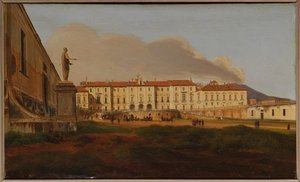
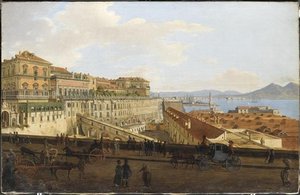
- Notable Landscapes: Among Rebell's most celebrated works are “The Mole at Portici” (1821), a dramatic depiction of Pompeii’s ruins bathed in moonlight—a testament to his ability to convey emotion through meticulous detail—and “Palais Royal de Naples, Vu de Largo Reale,” which showcases the architectural splendor of Naples' central square.
Rome and Artistic Development (1816–1824)
From 1816 to 1824, Rebell resided in Rome—a crucible of artistic creativity during the Romantic era—where he absorbed inspiration from fellow artists like Joseph Vernet and Johann Christian Peixotto. He embraced the expressive qualities of Romantic landscape painting, prioritizing atmosphere and emotion over strict adherence to classical conventions. This stylistic shift culminated in his masterful portrayal of St Joseph Chapel (1824), a serene depiction reflecting the spiritual fervor of the time.- Romantic Sensibility: Rebell’s artistic sensibilities embraced the Romantic movement's emphasis on subjective experience and emotional intensity, departing from the rationalism of Neoclassicism to convey profound feelings about nature and human existence.
- Vienna Gallery Directorship & Later Works: Rebell’s appointment as Director of the Belvedere Gallery in Vienna provided him with invaluable access to artistic resources and fostered continued engagement with Viennese cultural life. He produced several additional landscapes, cementing his reputation as one of Austria's foremost landscape painters.
Legacy and Recognition
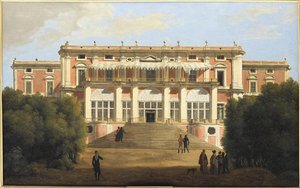
Joseph Rebell died unexpectedly in Dresden on December 18, 1828, leaving behind a legacy of remarkable artistic achievement. His paintings—particularly “Palais de la Favorite, a Portici” and “View from Posillipo on Capri”—remain treasured masterpieces of the Romantic landscape genre, demonstrating his unparalleled skill in capturing light, color, and emotion. Rebell’s work continues to inspire admiration for its beauty and technical virtuosity, securing his place as an enduring figure in European art history. His landscapes are housed in museums across Europe—including Munich Pinakothek, Berlin Gallery, Parma Gallery—testament to the lasting impact of his artistic vision.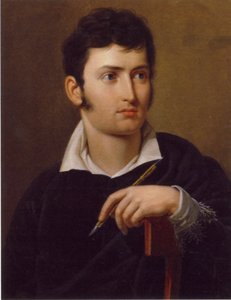
Joseph Rebell
1787 - 1828 , Austria
Quick Facts
- Artistic Movement Or Style: Romantic Landscape Art
- Artists Or Movements Influenced By This Artist: ['Claude']
- Artists Who Influenced This Artist: ['Michael Wutky']
- Date Of Birth: January 11, 1787
- Date Of Death: December 18, 1828
- Full Name: Joseph Rebell
- Nationality: Austrian
- Notable Artworks:
- The Mole at Portici
- PALAIS ROYAL DE NAPLES, VU DE LARGO REALE
- PALAIS DE LA FAVORITE, A PORTICI
- Place Of Birth: Vienna, Austria