

 Preview
 Send
Send Share
Share
 Details

 Download
 Similars
 X-Ray
X-Ray Diaporama
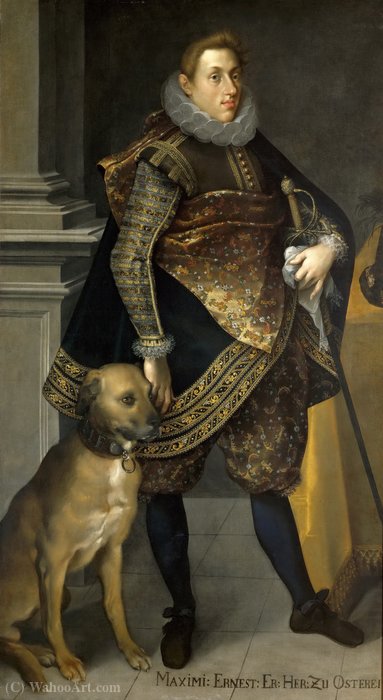
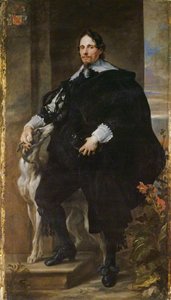
Erzherzog maximilian ernst
 Read More
Purchase a high-resolution, enhanced digital image, far superior to the online preview.
Each file is meticulously prepared by our in-house specialists using advanced tools and expert manual retouching. We ensure every image has exceptional clarity, precise color accuracy, and fine detail.
The final file is delivered via email within 72 hours, optimized for immediate use in professional, editorial, and print environments. This is the same quality trusted by top-tier design studios, publishers, and galleries.
Digital Image
Download a high-resolution file for personal display, printing, and creative projects. ( Buy Print Buy Hand Made Painting)
Included in Every Digital Image Order
Expert Digital Delivery, Guaranteed
When you choose ArtsDot.com, you're not just getting an image - you're receiving a professionally enhanced digital artwork, crafted with precision and backed by a satisfaction guarantee. Here's everything that comes with your order, automatically:

Fast Email Delivery
Your high-resolution digital image file will be emailed to you within 72 hours of ordering - ready for immediate use.

AI-Enhanced Digital File
Your artwork is professionally optimized using advanced AI tools and manual editing, ensuring maximum detail, clarity, and color accuracy.

Free Lifetime Re-Delivery
Accidentally deleted or lost your file? No worries - we'll resend it to you anytime, free of charge.

No Import Fees - Ever
Enjoy your artwork instantly with zero customs, duties, or delivery fees - digital downloads are always tax-free.

Color Accuracy Guarantee
We ensure your digital image reflects the original colors as closely as possible using professional tools and color management.

60-Day Satisfaction Guarantee
If you're not satisfied with your digital image, we'll revise it or refund 100% within 60 days - no questions asked.

100% Money-Back Guarantee
Not satisfied? Get a full refund within 60 days of receiving your digital file - no questions asked.

Bulk Order Discounts
Buy 3 images, save 10% - Buy 5, save 15% - Buy 10+, save 20%. Great for creative projects, galleries, and agencies.
Related Artworks


Artist Biography
The Shadowed Genius: Caravaggio and the Dawn of Baroque
Michelangelo Merisi da Caravaggio, a name synonymous with drama, darkness, and revolutionary technique, remains one of the most compelling figures in art history. Born in Milan in 1571 to a family of modest means – his father was a notary – Caravaggio’s early life offers little insight into the man who would profoundly alter the course of painting. He apprenticed as a draper’s assistant, a seemingly unremarkable beginning for an artist destined to become a legend. It wasn't until he began working as a painter in Rome around 1592 that his extraordinary talent truly began to emerge, though not without controversy and a turbulent personal life. Caravaggio’s style was instantly recognizable, a radical departure from the prevailing Mannerist trends of the time. He eschewed the idealized beauty and elegant compositions favored by many of his contemporaries, instead embracing a brutally realistic approach. His paintings were characterized by *tenebrism*, a dramatic use of light and shadow – often employing stark contrasts between brightly lit figures set against deep darkness. This technique wasn’t merely stylistic; it served to heighten emotional intensity, create a sense of immediacy, and draw the viewer directly into the scene. He frequently used ordinary people as models—not noble subjects or classical heroes—but rather individuals plucked from the streets of Rome, imbuing his works with an unprecedented sense of humanity and psychological depth. His early commissions often depicted religious scenes, but he infused them with a gritty realism that shocked many viewers accustomed to more ethereal representations. The Sack of Amiens (1602), for example, depicts the aftermath of a brutal battle with unflinching detail, showcasing both the horror and the heroism of war. Caravaggio’s influences are complex and debated. While he undoubtedly drew inspiration from earlier masters like Leonardo da Vinci and Michelangelo, his style was uniquely his own. Some scholars point to the influence of Caravaggisti painters who had imitated his techniques, while others see echoes of Spanish Mannerism in his early works. However, it is clear that Caravaggio developed a distinct visual language—a potent combination of dramatic lighting, intense emotion, and unflinching realism—that set him apart from any artist before him. His use of *chiaroscuro*, the strong contrast between light and dark, was particularly groundbreaking, creating a sense of theatricality and immediacy rarely seen in painting at the time.The Turbulent Life: Violence and Exile
Caravaggio’s life was marked by violence and instability. He had a volatile temper and a history of brawls, culminating in a fatal stabbing incident in 1606 during which he killed a young man named Marco Mattia da Caravaggio (no relation). Despite his attempts to flee Rome, he was relentlessly pursued by the authorities. He spent years wandering throughout Italy—Naples, Malta, Sicily—always on the run, constantly reinventing himself and his style. During this period, his work became increasingly dark and violent, reflecting the turmoil of his personal life. He continued to paint prolifically, producing some of his most iconic works during his exile, including *Judith Beheading Holofernes* and *The Martyrdom of Saint Matthew*.Key Works and Lasting Legacy
Despite his tragically short life—he died in Porto Ercole, Italy, in 1610 at the age of 39—Caravaggio’s influence on art history is immeasurable. His innovations in technique, particularly *tenebrism*, revolutionized painting and paved the way for future generations of artists. Works such as *The Calling of Saint Matthew*, *David and Goliath*, and *Conversion of Saint Paul* are considered masterpieces of the Baroque period and continue to captivate viewers with their dramatic intensity and psychological realism. His influence extended beyond Italy, inspiring artists throughout Europe—including Rembrandt, Velázquez, and Gentileschi—who adopted his techniques and explored similar themes.A Revolution in Representation
Caravaggio’s legacy lies not only in his technical innovations but also in his radical approach to subject matter and representation. He challenged the conventions of his time by depicting religious scenes with a gritty realism that forced viewers to confront uncomfortable truths about human nature and morality. He elevated the status of ordinary people, portraying them as complex and compelling characters rather than mere symbols or figures of authority. His work continues to provoke debate and inspire awe, solidifying Caravaggio’s place as one of the most important and influential artists in Western art history—a master who dared to paint not just what he saw, but also what he felt.
joseph the younger heintz
1600 - 1678 , Germany
Quick Facts
- Artistic Movement Or Style: Baroque
- Artists Or Movements Influenced By This Artist: ['Caravaggisti']
- Artists Who Influenced This Artist:
- Michelangelo
- Leonardo da Vinci
- Date Of Death: 1610
- Full Name: Caravaggio
- Nationality: Italian
- Notable Artworks:
- The Calling of St Matthew
- David and Goliath
- Place Of Birth: Milan, Italy

