 Preview
 Send
Send Share
Share
 Details

 Download
 Similars
 X-Ray
X-Ray Diaporama
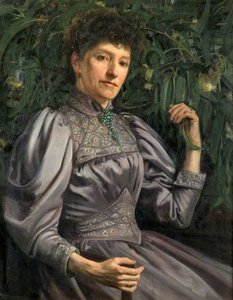
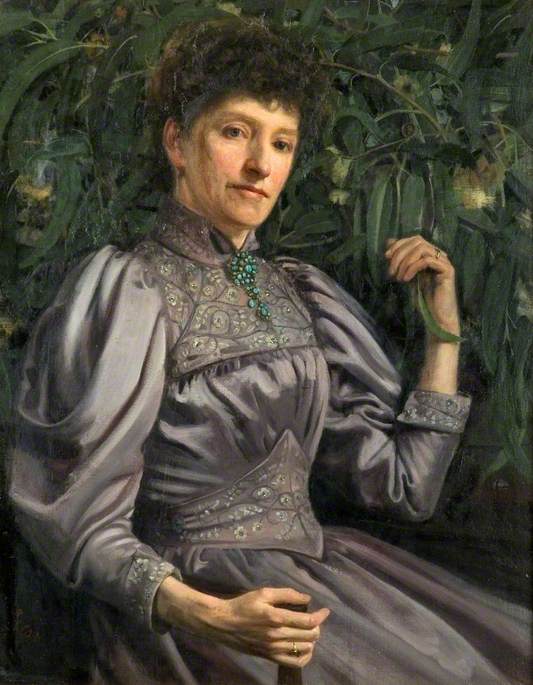
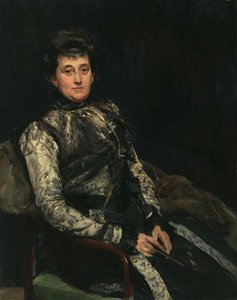
Portrait of a Lady
 1898
1898 76.0 x 64.0 cm
 Read More
Hand Made Oil Reproduction
Hand-painted oil on canvas in your size and frame, made to order by our artists. ( Buy Print Buy Image)




































Pick from our preset sizes that match the artwork's original proportions.

You may enter your own dimensions to fit a specific frame or space. If your selected size does not match the original image's proportions, we will either crop the artwork or extend the painting with additional hand-painted elements. A digital mockup will be sent for your approval before production begins.
Please note that the on-screen preview does not reflect the actual cropping or extension. Only the mockup will accurately show the final composition.
While custom sizes are available, we recommend selecting a dimension from the predefined list to preserve the original proportions.
After order, ArtsDot.com team will email client for instructions and provide a mockup preview
Worldwide Delivery () in 3/4 weeks instead of standard 5 weeks. (27 August). No compromise on quality.

Free Worldwide Express Shipping

High-Quality Linen Canvas

Full Shipping Insurance

Customs Tax Refund Guarantee

True Color Matching Guarantee

60-Day Return Policy (Defects Only)

100% Money-Back Guarantee

Bulk Discount Offer
 Glass option is only available in size under 110 CM

Portrait of a Lady
Reproduction Medium
Reproduction Size
-


Total Price
$ 263
Related Artworks








Artist Biography
Joseph Wilson Forster: A Portraitist of Victorian England
Joseph Wilson Forster (1861–1938) stands as a prominent figure in British portrait painting during the late Victorian era, recognized for his meticulous depictions of statesmen and intellectuals—individuals who shaped the intellectual landscape of their time. While not possessing the flamboyant fame of some contemporaries, Forster’s artistic legacy resides in his unwavering dedication to capturing likenesses with remarkable accuracy and conveying subtle psychological nuances. His canvases offer a window into the social milieu of Britain's imperial zenith, reflecting both formal grandeur and intimate human emotion.- Early Life and Artistic Training: Forster’s formative years were marked by a privileged upbringing within a Quaker family—a tradition that instilled in him values of compassion and social responsibility. He pursued his artistic education at Trinity College, Oxford, honing his skills under the tutelage of John Ruskin, whose influence extended beyond mere technique to encompass a profound appreciation for moral considerations within art. Ruskin’s teachings encouraged Forster to strive for “beauty as an end”—a guiding principle that would permeate his subsequent work.
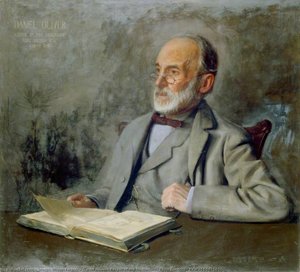
- Notable Commissions and Artistic Style: Forster gained considerable renown through commissions from influential patrons, securing portraits of figures such as Daniel Oliver, Keeper of the Herbarium at Kew Gardens; George Rawlinson, Camden Professor of Ancient History; and Woodrow Wilson—a testament to his ability to capture not only physical appearance but also character and intellect. His artistic style was characterized by a restrained palette—often favoring muted tones—and an exacting attention to detail. Forster’s technique involved painstaking layering of glazes, achieving luminous effects that subtly illuminated the subject's countenance and conveying a sense of inner life.
- The Influence of Ruskin and Impressionism: Ruskin’s aesthetic philosophy profoundly impacted Forster’s artistic vision, shaping his belief in art as a vehicle for moral upliftment. Simultaneously, Forster absorbed elements of Impressionist painting—particularly the exploration of light and atmosphere—evident in works like “Portrait of a Lady.” This fusion of Ruskinian idealism and Impressionistic observation resulted in portraits that transcended mere representation, striving to evoke emotion and capturing fleeting moments of psychological insight.
- Major Achievements and Legacy: Forster’s enduring contribution to British art lies in his unwavering commitment to portraying individuals with dignity and sensitivity, presenting them as complex human beings rather than idealized symbols. His portraits—particularly those depicting prominent intellectuals—remain valuable documents of Victorian society, offering glimpses into the personalities and intellectual pursuits of their era. Furthermore, Forster's meticulous craftsmanship ensured that his canvases would endure for generations, securing his place among the most respected portraitists of his time.
- Beyond Portraiture: Exploring Landscape Painting: While primarily celebrated for his portraits, Forster also ventured into landscape painting—primarily in Ireland—demonstrating versatility and an appreciation for the natural world. His landscapes are notable for their atmospheric perspective and subtle tonal gradations—reflecting Ruskin’s influence and mirroring techniques employed by Impressionist painters. These works underscore Forster's broader artistic interests and contribute to a more comprehensive understanding of his oeuvre.
Connections to Other Artists
Forster’s artistic trajectory intersected with that of several prominent contemporaries, notably John Ruskin—whose moral philosophy profoundly shaped Forster’s aesthetic sensibilities. Ruskin championed the idea that art should serve a higher purpose—promoting virtue and fostering contemplation—a conviction that resonated deeply within Forster’s own artistic convictions. Furthermore, Forster absorbed influences from Impressionist painters like Claude Monet and Pierre-Auguste Renoir, incorporating techniques of luminous color and atmospheric perspective into his landscapes and occasionally influencing his portraiture style.Notable Works
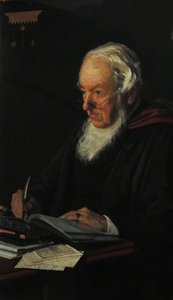
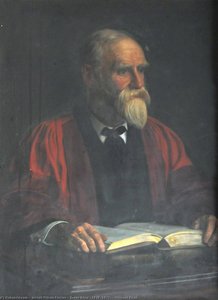
Forster's oeuvre comprises a collection of meticulously crafted portraits that exemplify the best qualities of Victorian art. Among his most celebrated paintings are: “Daniel Oliver, Keeper of the Herbarium, Royal Gardens, Kew”—a masterful depiction of botanist Daniel Oliver—and “Portrait of a Lady”—characterized by its delicate rendering of feminine beauty and psychological depth. His portrait of George Rawlinson captures the intellectual fervor of Camden Professor of Ancient History.Historical Significance
Joseph Wilson Forster’s artistic output reflects the broader cultural currents of Victorian England—a period marked by imperial expansion, social reform, and burgeoning intellectual inquiry. His portraits serve as invaluable records of the era's prominent figures—politicians, scientists, writers—capturing their likenesses with remarkable accuracy and conveying subtle psychological nuances. Moreover, Forster’s artistic style—characterized by Ruskinian idealism and Impressionist observation—contributed to a pivotal moment in British art history—the transition from academic tradition to more expressive forms of representation.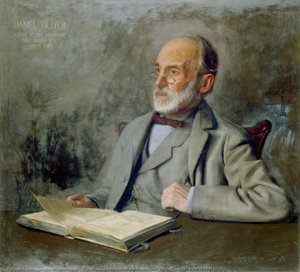
Quick Facts
- Artistic Movement Or Style: Portrait Painting
- Artists Or Movements Influenced By This Artist: ['Romanticism']
- Artists Who Influenced This Artist:
- John Lord Somers
- James Sant
- Date Of Death: Living
- Full Name: Joseph Wilson Forster
- Nationality: British
- Notable Artworks:
- Daniel Oliver, Keeper of the Herbarium, Royal Gardens, Kew
- Portrait of a Lady
- George Rawlinson (1812–1902)
- The President Woodrow Wilson House