 Preview
 Send
Send Share
Share
 Details

 Download
 Similars
 X-Ray
X-Ray Diaporama
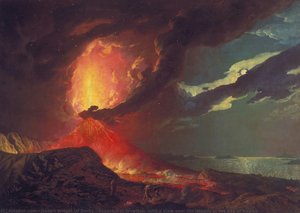
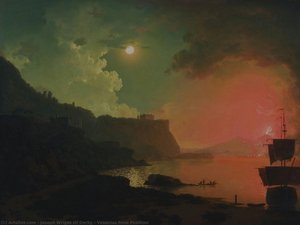
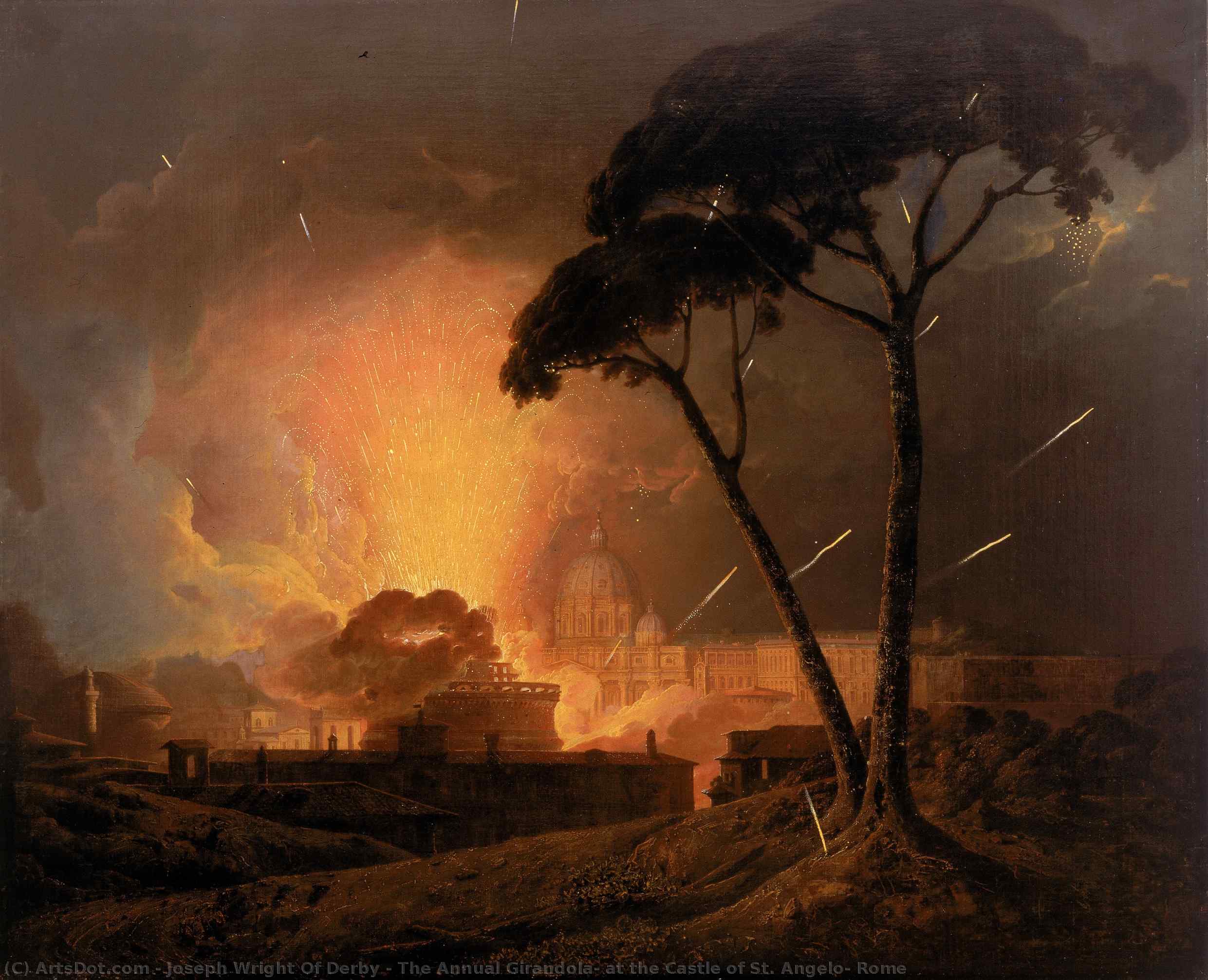
The Annual Girandola, at the Castle of St. Angelo, Rome


 Read More
Hand Made Oil Reproduction
Hand-painted oil on canvas in your size and frame, made to order by our artists. ( Buy Print Buy Image)




P118B $10

P118H $10

P118W $10

P438Z $10

P508JH $12

P508YH $12

P805H $10

P805Z $10

P919BZ $10

P919G $10

P919XJ $10

P959ZH $10

P968JZ $12

W106C $8

W218G $10

W218JH $8

W218Y $10

W307PJ $10

W316G $10

W316PJ $8

W316Y $10

W398PJ $8

W4111J $10

W500HY $15

W500JH $15

W692G $12

W849H $8

W940BG $15

W953PJ $8




Pick from our preset sizes that match the artwork's original proportions.

You may enter your own dimensions to fit a specific frame or space. If your selected size does not match the original image's proportions, we will either crop the artwork or extend the painting with additional hand-painted elements. A digital mockup will be sent for your approval before production begins.
Please note that the on-screen preview does not reflect the actual cropping or extension. Only the mockup will accurately show the final composition.
While custom sizes are available, we recommend selecting a dimension from the predefined list to preserve the original proportions.
After order, ArtsDot.com team will email client for instructions and provide a mockup preview
Worldwide Delivery () in 3/4 weeks instead of standard 5 weeks. (31 August). No compromise on quality.

Free Worldwide Express Shipping

High-Quality Linen Canvas

Full Shipping Insurance

Customs Tax Refund Guarantee

True Color Matching Guarantee

60-Day Return Policy (Defects Only)

100% Money-Back Guarantee

Bulk Discount Offer
 Glass option is only available in size under 110 CM

The Annual Girandola, at the Castle of St. Angelo, Rome
Reproduction Medium
Reproduction Size
-


Total Price
$ 263
A Symphony of Light and Shadow in Rome
In the heart of the eighteenth century, few artists possessed the ability to translate the ephemeral magic of light into the enduring language of oil on canvas as masterfully as Joseph Wright of Derby. His masterpiece, The Annual Girandola, at the Castle of St. Angelo, Rome, serves as a breathtaking window into a moment of pure, explosive spectacle. The painting captures the legendary Roman fireworks display, known as the Girandola, which transformed the night sky above the Castel Sant'Angelo into a swirling kaleidoscope of fire and brilliance. As the viewer gazes upon this scene, they are not merely observing a historical event; they are swept up in a Romantic crescendo where the boundaries between human celebration and the raw power of nature begin to blur.
The composition is a triumph of capriccio—a stylistic choice that allows Wright to weave together the architectural grandeur of Rome into a singular, dramatic vision. From the imposing silhouette of the Castel Sant'Angelo to the distant, hallowed outlines of St. Peter’s Basilica and the Pantheon, the landscape is anchored by the weight of history. Two colossal stone pines frame the foreground, acting as silent sentinels that guide the eye toward the center of the chaos. This strategic use of depth creates an immersive experience, making the viewer feel as though they are standing on a darkened Roman hillside, breathless and expectant, waiting for the next burst of light to pierce the velvet gloom.
The Alchemy of the Industrial Enlightenment
Technically, this work is a testament to Wright’s unparalleled skill in capturing chiaroscuro. While many of his contemporaries focused on the soft, diffused light of the daylight hours, Wright found his true calling in the shadows. He treats the explosions of the Girandola not just as light sources, but as transformative agents that redefine the textures of the world around them. The brilliant sparks and cascading rockets cast a flickering, unstable glow upon the clouds, turning the sky into a canvas of amber, gold, and deep crimson. This interplay between the intense, incandescent bursts and the profound darkness of the night creates a rhythmic tension that is central to the painting's emotional impact.
There is a profound symbolism embedded within this display of pyrotechnics. For Wright, a painter deeply influenced by the scientific fervor of the Industrial Revolution, these fireworks represented more than mere entertainment; they were a metaphor for the "greatest effect of Art" interacting with the "greatest effect of Nature." The painting captures the duality of the era—the controlled, human-made brilliance of the rockets juxtaposed against the untamed, atmospheric drama of the Roman night. It is an evocative study of energy, innovation, and the sublime, making it a piece that resonates deeply with those who appreciate the intersection of human ingenuity and natural wonder.
An Eternal Masterpiece for the Discerning Collector
For the art collector or interior designer, The Annual Girandola offers an unparalleled opportunity to introduce a sense of drama and historical depth into a space. The painting’s rich palette and dynamic movement make it a commanding focal point, capable of anchoring a room with its sophisticated nocturnal atmosphere. Whether placed in a contemporary gallery setting or a classic, traditional study, the work invites contemplation and conversation.
At ArtsDot.com, we understand the importance of preserving the soul of such a masterpiece. Our hand-painted reproductions are meticulously crafted by skilled artists who honor Wright’s original brushwork and his legendary ability to manipulate light. Every stroke is intended to recreate the luminous intensity and the textured complexity of the original 1776 canvas. By choosing a high-quality reproduction, you are not just acquiring decor; you are bringing a piece of the Enlightenment into your home, ensuring that the dazzling spirit of Rome continues to shine for generations to come.
Related Artworks



Artist Biography
The Luminary of Derby: Joseph Wright and the Dawn of the Industrial Age
Joseph Wright, known to history as “Wright of Derby,” was more than a painter; he was a visual philosopher who captured a pivotal moment in human existence. Born in 1734 amidst the burgeoning industrial heartland of England, Wright didn’t merely depict his time—he *illuminated* it, both literally and figuratively. His canvases weren't filled with grand historical narratives or aristocratic portraits alone; they pulsed with the energy of scientific discovery, the drama of enlightenment thought, and the stark beauty of a landscape irrevocably altered by human innovation. He stands as the first major artist to truly grapple with, and celebrate, the spirit of the Industrial Revolution, an era that would redefine civilization itself. His early life in Derby, steeped in the practical world of his father’s legal profession, provided a grounding that perhaps informed his later fascination with precision and observation. Though initially destined for law, young Joseph's inclination towards art proved irresistible, leading him to London at seventeen to study under Thomas Hudson, a prominent portrait painter of the day. This formal training laid a foundation, but it was Wright’s innate curiosity and independent spirit that would ultimately forge his unique artistic path.Chiaroscuro and the Spirit of Inquiry
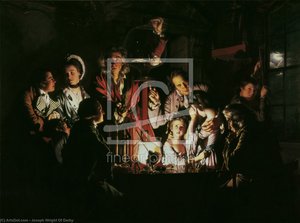
Wright's technical mastery is immediately apparent in his dramatic use of chiaroscuro, a technique borrowed from Baroque masters like Caravaggio but employed with a distinctly modern sensibility. He wasn’t simply interested in creating visual drama; he used light and shadow to symbolize the unveiling of knowledge, the struggle between darkness and understanding. Consider masterpieces such as *An Experiment on a Bird in the Air Pump* (1768), where candlelight throws stark relief upon the faces of onlookers witnessing a scientific demonstration—a scene brimming with both wonder and anxiety. The painting isn’t just about the experiment itself; it's an exploration of humanity’s burgeoning curiosity, its willingness to probe the mysteries of nature, and the ethical implications of such endeavors. Similarly, *A Philosopher Lecturing on the Orrery* (1766) presents a captivating scene where a miniature solar system is unveiled, illuminating not only the faces of the captivated audience but also the expanding universe of scientific thought. These weren’t isolated incidents; Wright consistently sought subjects that allowed him to explore the intersection of science, philosophy, and human emotion. His style was subtly influenced by Alexander Cozens, particularly in his compositional approaches, yet he remained fiercely independent, forging a visual language uniquely his own.Beyond Portraits: Landscapes and the Romantic Sensibility
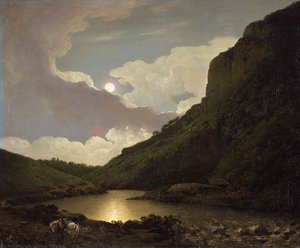
While Wright is celebrated for his “candlelight pictures,” to limit him to that single aspect of his oeuvre would be a grave disservice. He was also a gifted landscape painter, capturing the rugged beauty of Derbyshire and beyond with an increasingly Romantic sensibility. Works like *Dovedale by Moonlight* showcase his ability to evoke atmosphere and emotion through subtle gradations of light and shadow, transforming familiar scenes into evocative visions. His landscapes weren’t merely topographical representations; they were imbued with a sense of awe and reverence for the natural world—a sentiment that resonated deeply with the growing Romantic movement. Even in these seemingly tranquil scenes, however, there's often an undercurrent of melancholy or mystery, hinting at the fragility of nature and the inevitability of change. *Rydal Waterfall* (1795), exemplifies this skill, showcasing his mastery of capturing both power and serenity within a single composition.A Legacy Forged in Light and Shadow
Wright’s impact on British art was profound, though perhaps not immediately recognized during his lifetime. He faced some resistance from the established artistic circles, notably declining full membership to the Royal Academy after feeling slighted—a testament to his independent spirit. However, his influence extended beyond formal institutions. Artists like William Pether and John Downman were directly inspired by his techniques, particularly his dramatic use of light and shadow. More broadly, Wright’s work paved the way for a new generation of artists who sought to capture the dynamism and complexity of the modern world. He didn't just paint what he saw; he painted what he *felt*—the excitement, the anxiety, the wonder—of an era on the cusp of transformation. His paintings remain powerful reminders of a time when humanity dared to question everything, to explore the unknown, and to embrace the possibilities of a new age. Today, his works are held in major museums worldwide, ensuring that the luminary of Derby continues to illuminate our understanding of art, science, and the human spirit.- Notable Works: *An Experiment on a Bird in the Air Pump*, *A Philosopher Lecturing on the Orrery*, *Dovedale by Moonlight*.
- Influences: Thomas Hudson, Alexander Cozens, Baroque masters like Caravaggio.
- Key Characteristics: Dramatic chiaroscuro, exploration of scientific themes, Romantic landscapes.
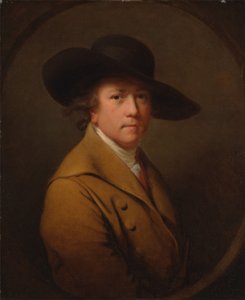
Joseph Wright of Derby
1734 - 1797 , United Kingdom
Quick Facts
- Artistic Movement Or Style: Chiaroscuro, Romanticism
- Artists Who Influenced This Artist:
- Thomas Hudson
- Alexander Cozens
- Date Of Birth: September 3, 1734
- Date Of Death: August 29, 1797
- Full Name: Joseph Wright of Derby
- Nationality: British
- Notable Artworks:
- Dovedale by moonlight
- Three Persons Viewing...
- A Philosopher Lecturing...
- An Experiment on a Bird...
- Place Of Birth: Derby, United Kingdom
Related Articles

El Greco's Masterpieces: Explore 25 Iconic Paintings & Spiritual Visions | ArtsDot
Journey through El Greco's 25 most iconic paintings! Explore the spiritual depth & dramatic beauty of this Spanish Renaissance master. Discover art history, techniques & find museum-quality reproductions for your home at ArtsDot.com.
Jacopo Tintoretto's Masterpieces: 25 Paintings That Define Venetian Drama | ArtsDot
Explore 25 breathtaking masterpieces by Jacopo Tintoretto, the Venetian master of drama and light. Discover the stories behind iconic Renaissance paintings & find museum-quality art reproductions to elevate your home decor on ArtsDot.com.
Dramatic Masterpieces: 10 Artworks for a Powerful Home Decor Statement |
Explore 10 dramatic artworks by masters like Caravaggio, Van Gogh & Munch. Uncover the stories behind these powerful paintings and find museum-quality reproductions to transform your home decor. Discover all masterpieces on .
Albrecht Dürer's Masterpieces: 25 Iconic Artworks for Your Home | ArtsDot
Explore 25 iconic artworks by Albrecht Dürer, a master of the German Renaissance. Discover the stories behind Melencolia I, Knight Death and Devil & more. Find museum-quality art reproductions for your home at ArtsDot.com.
Dramatic Art: 10 Masterpieces That Stir the Soul |
Explore 10 dramatic artworks by masters like Rembrandt & Munch that stir deep emotion. Discover art history, techniques & find museum-quality reproductions for your home at . Explore the full collection online.