 Preview
 Send
Send Share
Share
 Details

 Download
 Similars
 X-Ray
X-Ray Diaporama
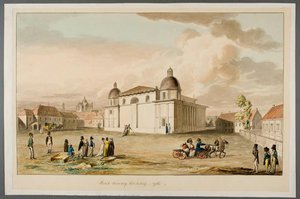
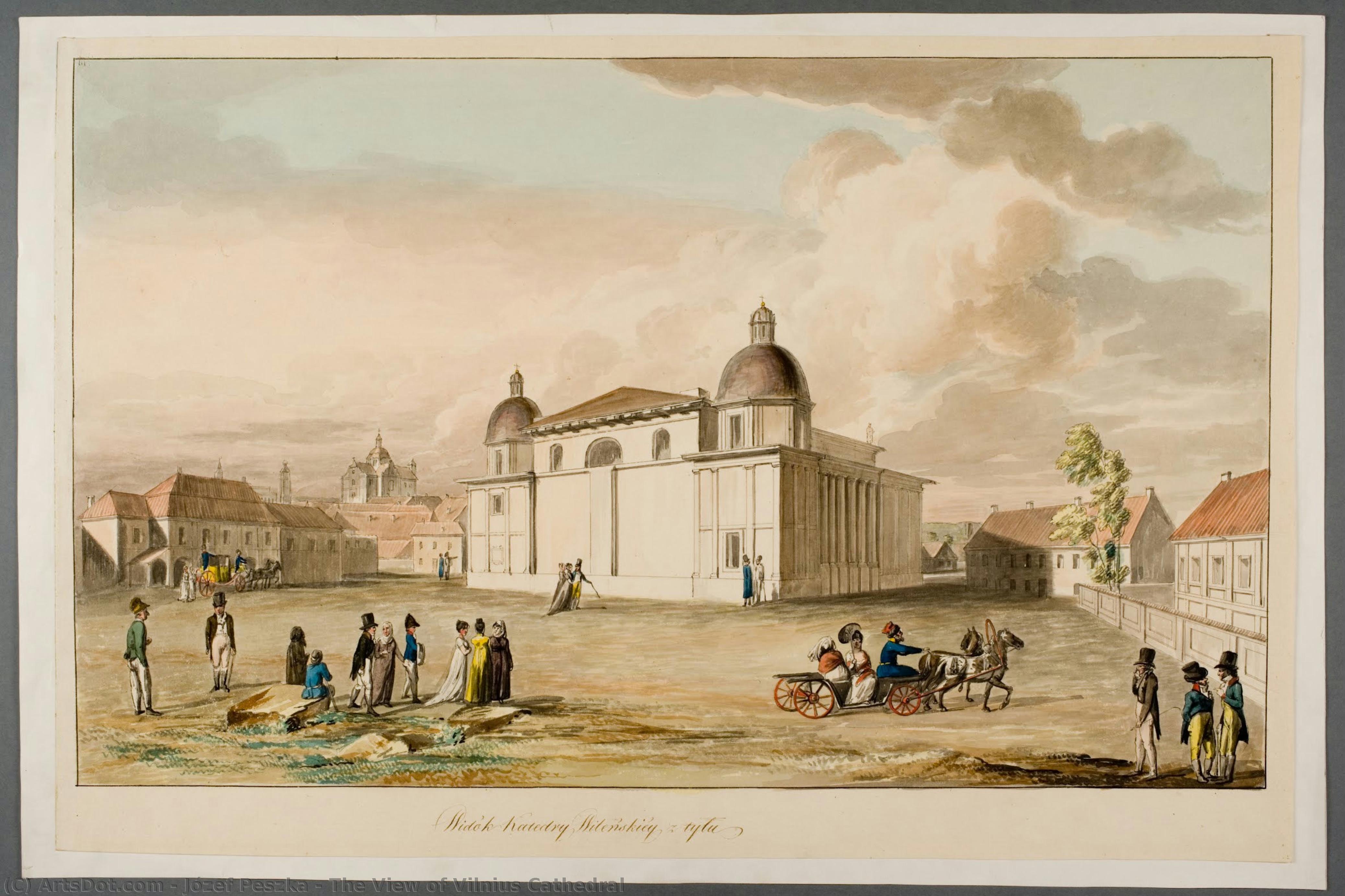
The View of Vilnius Cathedral


 Read More
Hand Made Oil Reproduction
Hand-painted oil on canvas in your size and frame, made to order by our artists. ( Buy Print Buy Image)




































Pick from our preset sizes that match the artwork's original proportions.

You may enter your own dimensions to fit a specific frame or space. If your selected size does not match the original image's proportions, we will either crop the artwork or extend the painting with additional hand-painted elements. A digital mockup will be sent for your approval before production begins.
Please note that the on-screen preview does not reflect the actual cropping or extension. Only the mockup will accurately show the final composition.
While custom sizes are available, we recommend selecting a dimension from the predefined list to preserve the original proportions.
After order, ArtsDot.com team will email client for instructions and provide a mockup preview
Worldwide Delivery () in 3/4 weeks instead of standard 5 weeks. (24 August). No compromise on quality.

Free Worldwide Express Shipping

High-Quality Linen Canvas

Full Shipping Insurance

Customs Tax Refund Guarantee

True Color Matching Guarantee

60-Day Return Policy (Defects Only)

100% Money-Back Guarantee

Bulk Discount Offer
 Glass option is only available in size under 110 CM

The View of Vilnius Cathedral
Reproduction Medium
Reproduction Size
-


Total Price
$ 263
Artwork Description
Related Artworks









Artist Biography
The Genesis of a Neoclassical Vision
In the heart of Kraków, amidst the burgeoning artistic energy of the late eighteenth century, Józef Peszka began a journey that would eventually define the visual identity of Polish portraiture. Born in 1767, his early sensibilities were shaped by the delicate hand of Dominik Oesterreicher, an Austrian master whose presence in Kraków provided the young artist with his first glimpse into the nuances of light and form. This foundational period gave way to a more rigorous academic discipline in Warsaw, where he studied under Franciszek Smuglewicz. Under Smuglewicz’s tutelage, Peszka embraced the principles of Neoclassicism, learning to marry technical precision with an emerging sense of psychological depth. His ascent was marked by a landmark commission: a portrait of the intellectual giant Hugo Kołłątaj. This work did more than merely capture a likeness; it signaled the arrival of an artist capable of translating the profound gravity of the Polish Enlightenment onto canvas.Wanderlust and the Splendor of the East
As his reputation grew, Peszka’s artistry expanded beyond the confines of the studio, driven by a restless curiosity for the landscapes of the East. Between the turn of the century and 1812, his travels through Lithuania and Russia yielded a breathtaking collection of watercolor and sepia-toned works. These were not merely topographical records but evocative vedute—views that utilized delicate staffage to breathe life into sprawling vistas. His ability to capture the atmospheric stillness of the landscape was matched only by his immersion in the opulent world of the nobility. From 1807 to 1810, serving as the court painter to Prince Michał Hieronim Radziwiłł in Niasvizh, Peszka navigated the gilded corridors of Belarusian aristocracy. This period allowed him to refine a style that could oscillate between the grandiosity of courtly life and the intimate, transient beauty of the natural world.A Legacy Carved in Art and Education
The final chapter of Peszka’s life was defined by a profound commitment to the future of Polish art. Returning to Kraków in 1813, he transitioned from a wandering virtuoso to a pillar of the academic community at Jagiellonian University. His passion for nurturing new talent led him to spearhead the creation of the School of Fine Arts, an institution that would become a beacon for aspiring painters across the region. Peszka’s influence was not limited to his role as a teacher; even as he ascended to the position of Director, his brush continued to document the changing face of his nation. His later works focused on capturing the essence of a society in transition, specifically focusing on:- Military Heroes, capturing the valor and sacrifice of a turbulent era.
- Prominent Businessmen, reflecting the rising economic vitality of the period.
- Figures of the Enlightenment, immortalizing the thinkers who shaped Polish intellect.
józef peszka
1767 - 1831 , Poland
Quick Facts
- Artistic Movement Or Style: Romanticism
- Artists Or Movements Influenced By This Artist: ['Romanticism']
- Artists Who Influenced This Artist:
- Dominik Oesterreicher
- Franciszek Smuglewicz
- Date Of Birth: February 19, 1767
- Full Name: Józef Peszka
- Nationality: Polish
- Notable Artworks:
- The View of Vilnius Cathedral
- Portrait of Hugo Kołłątaj
- Place Of Birth: Kraków, Poland