

 Send
Send Share
Share
 Details

 Download
 Similars
 Diaporama
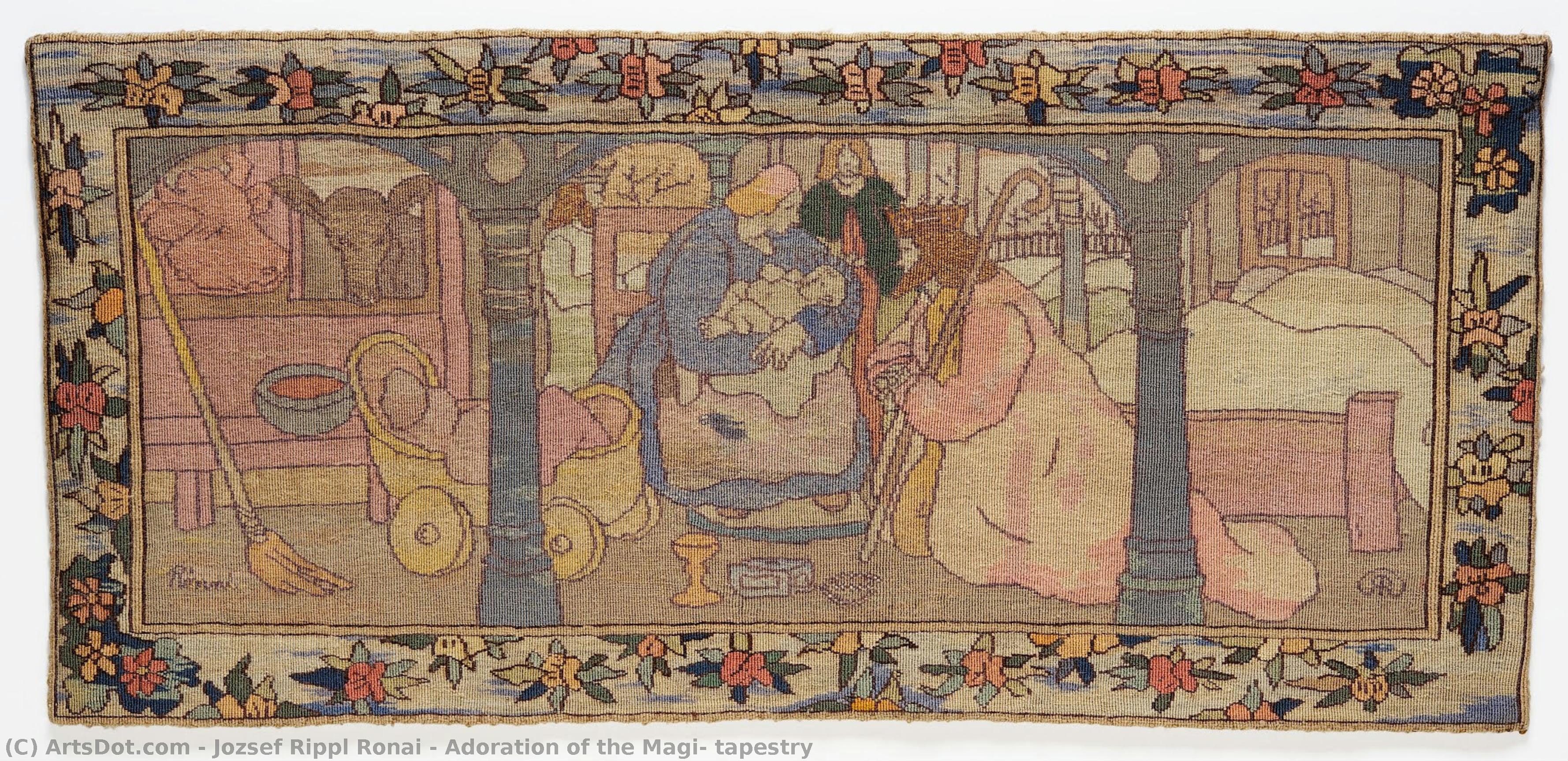
Adoration of the Magi, tapestry
 Tapestry
- Textile
- Nabis
 1895
1895- 19th Century
 111.0 x 47.0 cm
 Museum of Applied Arts
 Read More
Purchase a high-resolution, enhanced digital image, far superior to the online preview.
Each file is meticulously prepared by our in-house specialists using advanced tools and expert manual retouching. We ensure every image has exceptional clarity, precise color accuracy, and fine detail.
The final file is delivered via email within 72 hours, optimized for immediate use in professional, editorial, and print environments. This is the same quality trusted by top-tier design studios, publishers, and galleries.
Digital Image
Download a high-resolution file for personal display, printing, and creative projects. ( Buy Print Buy Hand Made Painting)
Included in Every Digital Image Order
Expert Digital Delivery, Guaranteed
When you choose ArtsDot.com, you're not just getting an image - you're receiving a professionally enhanced digital artwork, crafted with precision and backed by a satisfaction guarantee. Here's everything that comes with your order, automatically:

Fast Email Delivery
Your high-resolution digital image file will be emailed to you within 72 hours of ordering - ready for immediate use.

AI-Enhanced Digital File
Your artwork is professionally optimized using advanced AI tools and manual editing, ensuring maximum detail, clarity, and color accuracy.

Free Lifetime Re-Delivery
Accidentally deleted or lost your file? No worries - we'll resend it to you anytime, free of charge.

No Import Fees - Ever
Enjoy your artwork instantly with zero customs, duties, or delivery fees - digital downloads are always tax-free.

Color Accuracy Guarantee
We ensure your digital image reflects the original colors as closely as possible using professional tools and color management.

60-Day Satisfaction Guarantee
If you're not satisfied with your digital image, we'll revise it or refund 100% within 60 days - no questions asked.

100% Money-Back Guarantee
Not satisfied? Get a full refund within 60 days of receiving your digital file - no questions asked.

Bulk Order Discounts
Buy 3 images, save 10% - Buy 5, save 15% - Buy 10+, save 20%. Great for creative projects, galleries, and agencies.
Collectible Description
A Tapestry of Devotion: Rippl-Rónai’s Visionary Adoration
In the delicate weave of József Rippl-Rónai’s 1895 tapestry, Adoration of the Magi, we encounter a profound intersection of sacred tradition and the burgeoning spirit of modernism. This exquisite piece serves as the lower movement of a larger two-part composition entitled The Birth and Death of Christ, acting as a lyrical counterpoint to the dramatic intensity of its companion scene, the Golgotha. While the upper register of such works often grapples with the weight of tragedy, this tapestry invites the viewer into a moment of quiet, domestic wonder. It is a scene where the divine descends into the humble, transforming a simple peasant room into a sanctuary of light and color.
The composition is masterfully structured to guide the eye through a narrative of reverence. At the heart of this textile masterpiece sits Mary, cradling the Christ child, her presence anchored by the surrounding figures of the Three Magi. To the right, the kings lean in, their devotion palpable, while on the left, the curious eyes of animals peer into the frame, adding a touch of pastoral innocence to the sacred event. The setting is intentionally sparse—a plain wooden bed and simple furniture underscore the poverty of the scene, yet the atmosphere is far from bleak. Instead, Rippl-Rónai utilizes the thick, continuous outlines characteristic of the Art Nouveau movement to define each figure, creating a rhythmic flow that feels both modern and timeless.
The Alchemy of Color and the Nabis Influence
Technically, this tapestry is a triumph of color theory and decorative elegance. Rippl-Rónai, a pioneer of Hungarian Modernism, draws heavily from the philosophies of Les Nabis group, utilizing a palette that is both soft and strikingly vibrant. The surfaces are washed in ethereal shades of light blue, sage green, pink, and yellow, creating a dreamlike luminosity that transcends the physical medium. The use of purple shadows adds a layer of psychological depth, evoking a sense of mystery and spiritual weight. This careful orchestration of hue ensures that the piece does not merely depict a scene but radiates an emotional temperature.
For the discerning collector or interior designer, this work offers a unique opportunity to introduce a sense of historical narrative and sophisticated texture into a space. The tapestry’s border, featuring a vividly colored floral motif, frames the central drama with a decorative grace that complements both classical and contemporary interiors. Whether placed as a focal point in a grand salon or used to add a layer of soft warmth to a curated study, the Adoration of the Magi serves as more than just a reproduction; it is an invitation to contemplate the beauty found in the everyday interpretation of the miraculous.
Related Artworks




Artist Biography
József Rippl-Rónai: A Pioneer of Hungarian Modernism
- Born: Kápósvar, Hungary (1861)
- Died: 1927
József Rippl-Rónai was a pivotal figure in the introduction and development of modern artistic movements within the Hungarian art scene. Born in 1861 in Kaposvár, Hungary, his journey as an artist took him through rigorous training and exposure to diverse influences that shaped his unique style.
Early Life and Artistic Development
Rippl-Rónai's formal artistic education began at the Munich Academy of Fine Arts before continuing at the Académie Julian in Paris. His early works demonstrated a vibrant use of color, bold brushstrokes, and innovative compositions, reflecting his engagement with Impressionism, Post-Impressionism, and Symbolism. A notable early piece, *The Inn at Pont-Aven*, established his ability to convey atmosphere through nuanced color palettes and expressive techniques. He was influenced by Mihály Munkácsy and later embraced the philosophies of Les Nabis.
Key Works and Artistic Style
- My Grandmother (1894): This painting marked a significant turning point in Rippl-Rónai's career, achieving considerable success and showcasing his evolving style.
- Portrait of Hungarian Pianist and Composer Zdenka Ticharich (1921): Demonstrates his versatility as a portrait artist.
- "Rippl-Rónai Impressions 1890-1900" Exhibition: While initially met with mixed reception in Hungary, this exhibition eventually gained recognition and solidified his position within the art world.
His artistic style evolved over time, characterized by a progression from darker, more atmospheric works to brighter, more fragmented compositions often referred to as "corn kernels," where distinct patches of color create a textured visual effect.
Legacy and Recognition
- Rippl-Rónai Museum (Kaposvár): Established in 1934, this museum houses over 400 of his paintings, drawings, and personal items, serving as a vital center for preserving and promoting his legacy.
- Influence on Hungarian Art: Rippl-Rónai played a crucial role in introducing modern artistic concepts to Hungary, inspiring subsequent generations of artists.
- Design Contributions: Beyond painting, he contributed significantly to design, undertaking commissions such as the interior design of the Andrássy palace and creating stained-glass windows for the Ernst Museum.
József Rippl-Rónai's contributions to Hungarian modern art are undeniable. His innovative approach to color, composition, and subject matter cemented his place as a key figure in the development of Hungarian artistic identity during a period of significant change.
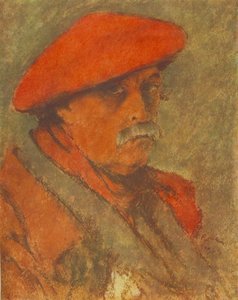
József Rippl-Rónai
1861 - 1927 , Hungary
Quick Facts
- Artistic Movement Or Style:
- Impressionism
- Post-Impressionism
- Symbolism
- Artists Who Influenced This Artist:
- Mihály Munkácsy
- Les Nabis
- Date Of Birth: May 23, 1861
- Date Of Death: November 25, 1927
- Full Name: József Rippl-Rónai
- Nationality: Hungarian
- Notable Artworks:
- My Grandmother (1894)
- Portrait of Zdenka Ticharich
- The Inn at Pont-Aven
- My Parents after Fourty Years
- Place Of Birth: Kápósvar, Hungary

