 Preview
 Send
Send Share
Share
 Details

 Download
 Similars
 X-Ray
X-Ray Diaporama
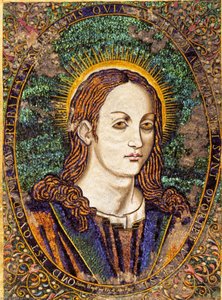
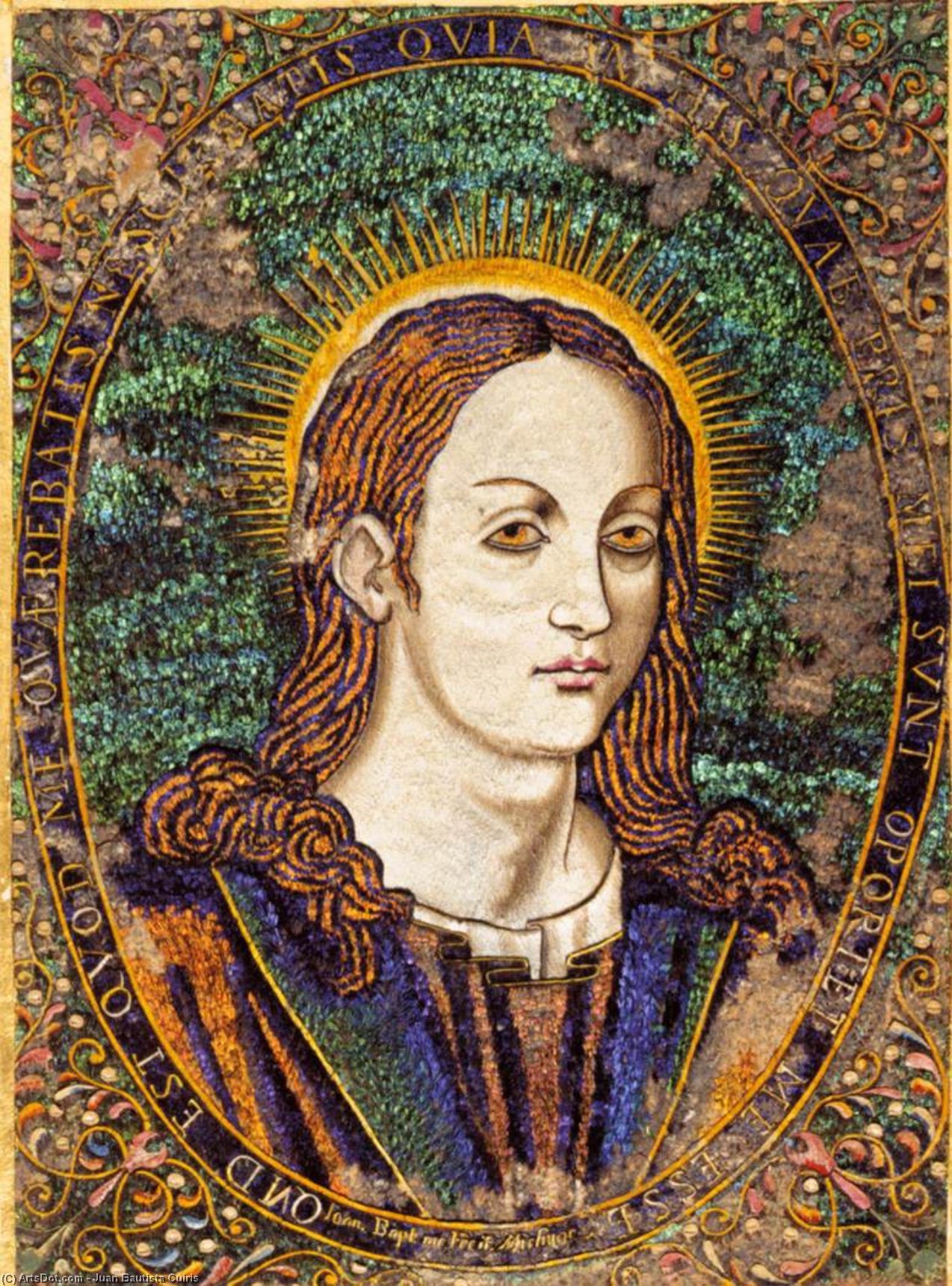
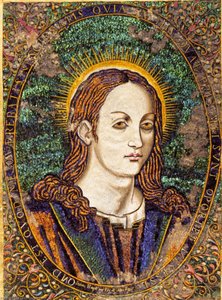
Portrait of Christ Made of Humming Bird and Parrot Feathers


 Read More
Giclée / Art Print
Museum-quality giclée or canvas print with fast production and flexible finish options. ( Buy Hand Made Painting Buy Image)




































Pick from our preset sizes that match the artwork's original proportions.

You may enter your own dimensions to fit a specific frame or space. If your selected size does not match the original image's proportions, we will either crop the artwork or extend the image with a mirrored or solid-fill edge. A digital mockup will be sent for your approval before production begins.
Please note that the on-screen preview does not reflect the actual cropping or extension. Only the mockup will accurately show the final composition.
While custom sizes are available, we recommend selecting a dimension from the predefined list to preserve the original proportions.
Worldwide Delivery () in 2 weeks instead of standard 4/5 weeks. (7 September)

Free Worldwide Express Shipping

High-Quality Linen Canvas

Full Shipping Insurance

Customs Tax Refund Guarantee

True Color Matching Guarantee

100-Day Return Policy (Defects Only)

100% Money-Back Guarantee

Bulk Discount Offer
 Glass option is only available in size under 110 CM

Portrait of Christ Made of Humming Bird and Parrot Feathers
Giclée / Art Print
Reproduction Size
-


Total Price
$ 63
Related Artworks
Artist Biography
A Tapestry of Two Worlds: The Artistry of Juan Bautista Cuiris
In the grand, sweeping narrative of the Baroque era, few artists capture the profound collision of European tradition and New World mysticism as poignantly as Juan Bautista Cuiris. Born around 1560 in the storied city of Toledo, Spain, Cuiris emerged from a landscape steeped in Renaissance heritage and ecclesiastical grandeur. While the biographical fragments of his early life remain shrouded in the mists of time, his formative years were undoubtedly shaped by the rigorous artistic milieu of Toledo. It was here, amidst the shadows of great cathedrals, that he likely absorbed the sophisticated techniques of Mannerism and the burgeoning Baroque style, drawing inspiration from masters such as Pedro Ludovicez Valenciano and Juan Carreño Herrera. These early encounters with light, shadow, and complex composition provided him with a foundational mastery that would later serve as the canvas for his most revolutionary experiments.
The true essence of Cuiris’s genius, however, was realized not in the familiar streets of Spain, but in the vibrant, transformative atmosphere of Mexico. As a painter operating under the patronage of the Spanish Habsburg court and the powerful religious institutions of Mexico City, Cuiris found himself at the epicenter of a monumental cultural exchange. He did not merely transplant European aesthetics to the Americas; instead, he engaged in a deep, spiritual dialogue with the indigenous traditions of Mesoamerica. This synthesis resulted in a body of work that is both profoundly Catholic and unmistakably Aztec, creating a visual language that spoke to the complex identity of New Spain.
The Alchemy of Color and Feather
Cuiris’s artistic development is most strikingly characterized by his embrace of amantecayotl—the ancient Mexican art of featherwork. Moving beyond the traditional use of oils on canvas, he mastered the delicate and arduous process of creating images from the iridescent plumage of tropical birds. This technique allowed him to achieve a luminosity and depth of color that no pigment could replicate. His works, such as the breathtaking Portrait of Christ Made of Hummingbird and Parrot Feathers, utilize a palette of brilliant crimson, shimmering gold, and deep turquoise—hues that directly echo the ceremonial textiles and sacred murals of the Aztec people.
This mastery of medium was inextricably linked to his use of symbolism. In his compositions, the divine figures of Christian iconography are often surrounded by a subtle yet powerful vocabulary of indigenous motifs. To look closely at a Cuiris masterpiece is to encounter a world where European saints coexist with the stylized representations of jaguars, serpents, and feathered serpents. These elements, central to Mexica mythology, were not merely decorative; they were integrated into the very fabric of his religious narratives, creating a sacred space where two disparate cosmologies converged. Through this delicate blending, Cuiris transformed the act of painting into an act of cultural alchemy.
A Lasting Legacy of Cultural Synthesis
The historical significance of Juan Bautista Cuiris lies in his role as a bridge between eras and continents. He stands as a testament to the transformative power of the Counter-Reformation, an era that sought to use art as a tool for spiritual persuasion and cultural unification. By weaving the vibrant textures of the New World into the structured compositions of the Old, he helped forge a unique colonial identity that would define Mexican art for centuries to come.
Though his life ended after 1630, leaving behind a legacy that continues to captivate scholars and art lovers alike, the impact of his work remains undiminished. His ability to navigate the complexities of colonial patronage while honoring the profound beauty of indigenous craftsmanship ensures his place in the pantheon of great Baroque masters. Today, we recognize Cuiris not just as a Spanish painter working abroad, but as a visionary who captured the very soul of a changing world through the shimmering light of a hummingbird's wing.
juan bautista cuiris
Spain
Quick Facts
- Artistic Movement Or Style: Contemporary Spanish art
- Artists Or Movements Influenced By This Artist: ['']
- Artists Who Influenced This Artist: ['']
- Full Name: Juan Bautista Cuiris
- Nationality: Spanish
- Notable Artworks: ['El Greco & Titian masterpieces']
- Place Of Birth: Spain