

 Preview
 Send
Send Share
Share
 Details

 Download
 Similars
 X-Ray
X-Ray Diaporama
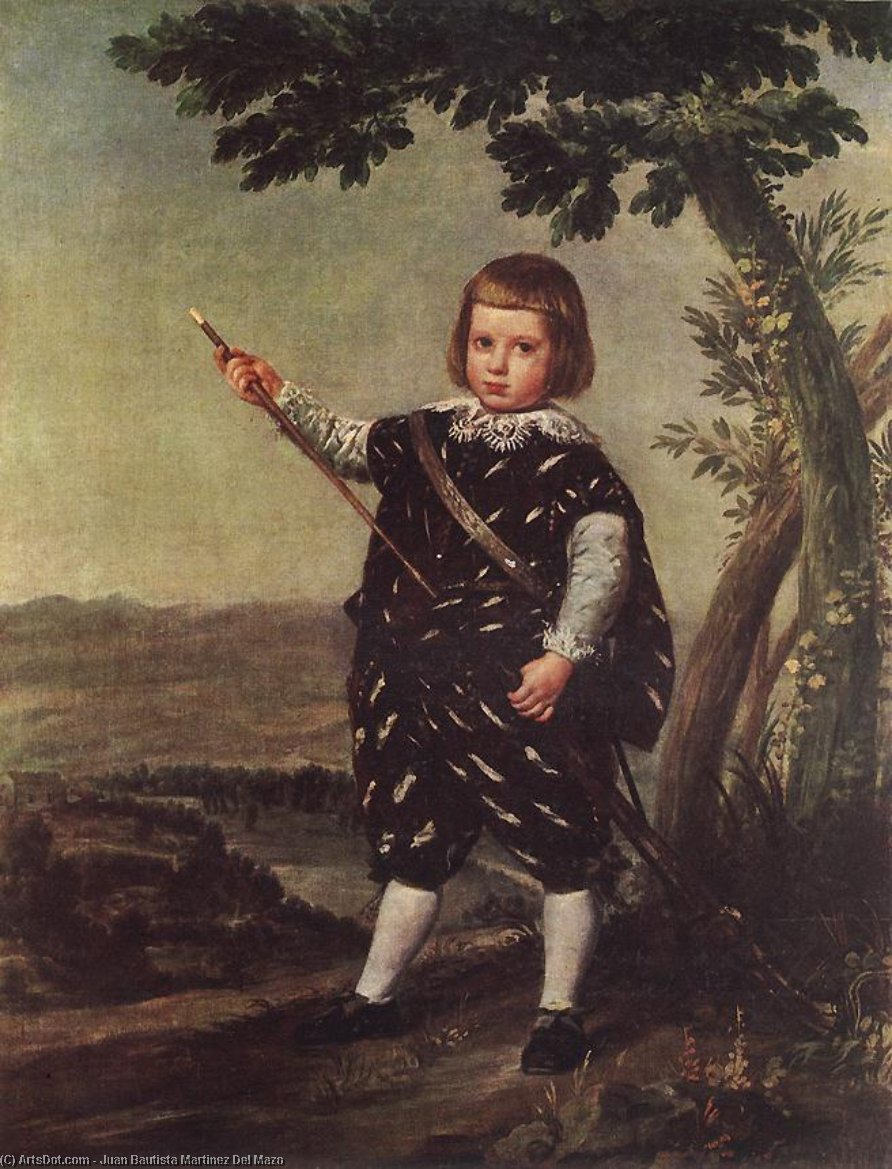
Infante Don Baltazar Carlos
 Oil On Canvas
- WallArt
- Baroque Painting
 1635
1635 144.0 x 109.0 cm
 Szépmûvészeti Múzeum
 Read More
Purchase a high-resolution, enhanced digital image, far superior to the online preview.
Each file is meticulously prepared by our in-house specialists using advanced tools and expert manual retouching. We ensure every image has exceptional clarity, precise color accuracy, and fine detail.
The final file is delivered via email within 72 hours, optimized for immediate use in professional, editorial, and print environments. This is the same quality trusted by top-tier design studios, publishers, and galleries.
Digital Image
Download a high-resolution file for personal display, printing, and creative projects. ( Buy Print Buy Hand Made Painting)
Included in Every Digital Image Order
Expert Digital Delivery, Guaranteed
When you choose ArtsDot.com, you're not just getting an image - you're receiving a professionally enhanced digital artwork, crafted with precision and backed by a satisfaction guarantee. Here's everything that comes with your order, automatically:

Fast Email Delivery
Your high-resolution digital image file will be emailed to you within 72 hours of ordering - ready for immediate use.

AI-Enhanced Digital File
Your artwork is professionally optimized using advanced AI tools and manual editing, ensuring maximum detail, clarity, and color accuracy.

Free Lifetime Re-Delivery
Accidentally deleted or lost your file? No worries - we'll resend it to you anytime, free of charge.

No Import Fees - Ever
Enjoy your artwork instantly with zero customs, duties, or delivery fees - digital downloads are always tax-free.

Color Accuracy Guarantee
We ensure your digital image reflects the original colors as closely as possible using professional tools and color management.

60-Day Satisfaction Guarantee
If you're not satisfied with your digital image, we'll revise it or refund 100% within 60 days - no questions asked.

100% Money-Back Guarantee
Not satisfied? Get a full refund within 60 days of receiving your digital file - no questions asked.

Bulk Order Discounts
Buy 3 images, save 10% - Buy 5, save 15% - Buy 10+, save 20%. Great for creative projects, galleries, and agencies.
A Portrait of Young Royalty: Juan Bautista Martínez del Mazo’s *Infante Don Baltazar Carlos*
Juan Bautista Martínez del Mazo's 1635 portrait, *Infante Don Baltazar Carlos*, is more than just a depiction of a young boy; it’s a carefully constructed tableau of youthful privilege and nascent contemplation. Painted during the height of the Spanish Baroque era, this work offers a rare glimpse into the world of the Spanish court through the discerning eye of an artist deeply influenced by his mentor, Diego Velázquez. The painting immediately draws the viewer in with its vibrant palette – rich reds and blues dominate, contrasted against the muted greens and browns of the distant landscape – creating a sense of both warmth and quiet solemnity.
The subject himself, Infante Don Baltazar Carlos, is presented as a figure of considerable poise despite his youth. Dressed in a sumptuous ruffled shirt, embroidered with intricate detail, he holds a miniature sword—a symbol not just of military prowess but also of nascent authority and the burdens of royal lineage. His gaze, directed towards an unseen horizon, suggests a thoughtful introspection, hinting at the weighty responsibilities that lie ahead. The artist masterfully captures the subtle nuances of youth: the slightly furrowed brow, the delicate features, and the inherent vulnerability within his expression.
Velázquez’s Shadow and Martínez del Mazo's Distinct Voice
Martínez del Mazo’s relationship with Velázquez is pivotal to understanding this painting. He served as a court painter for years, working closely alongside his father-in-law, absorbing the techniques of observation, light, and color that defined Velázquez’s style. However, *Infante Don Baltazar Carlos* reveals a distinct artistic voice emerging from within this influential apprenticeship. While echoes of Velázquez's meticulous detail and atmospheric perspective are undeniably present, Martínez del Mazo introduces a greater emphasis on emotional resonance and a more expressive use of color. The landscape background, for instance, is not merely a decorative element but actively contributes to the painting’s mood—a subtly melancholic vista that mirrors the boy’s contemplative gaze.
The choice of subject matter itself speaks volumes about the era. Portraits of young royals were frequently commissioned during this period, serving as powerful symbols of dynastic stability and reinforcing the legitimacy of the Habsburg monarchy. Yet, Martínez del Mazo elevates this genre beyond mere propaganda, imbuing the portrait with a profound sense of humanity. He doesn’t simply present a royal heir; he presents a boy on the cusp of adulthood, grappling with his future role within the complex tapestry of Spanish society.
Technique and Composition: A Masterclass in Baroque Realism
The painting's technical brilliance lies in Martínez del Mazo’s masterful command of chiaroscuro – the dramatic interplay of light and shadow. Velázquez’s influence is particularly evident here, with carefully placed highlights illuminating the Infante’s face and clothing while leaving the background softly shrouded in darkness. This technique not only adds depth and volume to the portrait but also directs the viewer's attention to the central figure, emphasizing his importance.
The composition is equally deliberate. The pyramidal arrangement of the figures—the boy at its apex—creates a sense of stability and formality, while the slightly off-center placement of the sword subtly introduces an element of dynamism and intrigue. The artist’s attention to detail is remarkable; from the intricate folds of the fabric to the texture of the boy's hair, every element contributes to the overall realism and immediacy of the portrait.
Symbolism and Emotional Resonance
*Infante Don Baltazar Carlos* resonates with a quiet dignity and an undercurrent of melancholy. The toy sword, a symbol of power and potential, is held delicately in his hand, suggesting a hesitant embrace of responsibility. The distant landscape, bathed in the soft light of twilight, evokes a sense of longing and introspection—a reflection perhaps of the boy’s awareness of his future role within the vast and often turbulent world of European politics.
This painting is more than just a portrait; it's a window into the soul of a young prince and a testament to the enduring legacy of Spanish Baroque art. Reproductions offer an accessible way to appreciate the artistry and historical significance of this captivating work, bringing its quiet beauty and profound emotional depth into any space.
Related Artworks



Artist Biography
A Life in the Shadow of Velázquez, and Beyond
Juan Bautista Martínez del Mazo occupies a fascinating, often understated position within the pantheon of Spanish Baroque masters. Born around 1605-1612 – the precise date and location remain debated between Cuenca and Madrid – his artistic trajectory was inextricably linked to that of his celebrated father-in-law, Diego Velázquez. Yet, to define Mazo solely as a follower would be a disservice to his own considerable talent and evolving style. He wasn’t merely an imitator; he was a sensitive interpreter, capable of absorbing Velázquez's innovations while simultaneously forging a path that revealed glimpses of a distinct artistic personality. Details surrounding his early life are scarce, but it is widely believed he received formative training within Velázquez’s workshop, gaining invaluable exposure to the techniques and aesthetic principles governing the Spanish court. This apprenticeship laid the foundation for a career deeply rooted in naturalism, meticulous observation, and an increasingly vibrant palette.Marriage, Patronage, and Royal Favor
A pivotal moment arrived in 1633 with his marriage to Francisca de Silva Velázquez y Pacheco, Velázquez’s only surviving daughter. This union wasn't simply a personal alliance; it was a strategic move that secured Mazo’s position within the royal circle and opened doors to unprecedented patronage. Shortly thereafter, in 1634, Velázquez skillfully facilitated Mazo’s appointment as Usher of the King's Chamber – a prestigious role signifying royal favor and providing direct access to commissions. Throughout his career, Velázquez actively championed Mazo, securing further appointments and opportunities for him and his family. This unwavering support allowed Mazo to flourish within the constraints of courtly life, developing his skills while navigating the complex dynamics of artistic production under royal scrutiny. It’s a testament to both men's character that such a supportive relationship thrived amidst the competitive world of 17th-century art.Artistic Development and Influences
Mazo’s early work is understandably marked by a close emulation of Velázquez’s style – a masterful handling of light, shadow, and texture, coupled with an ability to capture the psychological depth of his sitters. He excelled in portraiture, demonstrating a keen eye for likeness and a sensitivity to subtle nuances of expression. However, as his career progressed, Mazo began to distinguish himself through his landscapes and hunting scenes, revealing a developing personal style that emphasized detail and observation. His celebrated View of Saragossa (1646) exemplifies this shift, showcasing a more vibrant color palette and a greater emphasis on depicting the bustling activity within a landscape setting. Beyond Velázquez, Mazo’s artistic sensibilities were shaped by a broader range of influences, including the Venetian masters – Titian, Tintoretto, and Veronese – whose use of color and dramatic composition left an indelible mark on his work. He also drew inspiration from Flemish painters like Paul de Vos, Rubens, and Jordaens, incorporating elements of their dynamic compositions and lively figural arrangements into his own artistic vocabulary.Major Works and Lasting Legacy
Attributing works definitively to Mazo remains a challenge, as he rarely signed his paintings – a practice that contributed to historical confusion with Velázquez’s oeuvre. Nevertheless, several paintings are now confidently attributed to him, offering valuable insights into his artistic range and development. Portrait of Queen Mariana in Mourning Dress (National Gallery, London) is a striking example of his ability to convey emotional depth through subtle gestures and expressive brushwork. The Family of the Painter (Kunsthistorisches Museum, Vienna), often compared to Velázquez’s Las Meninas, provides a fascinating glimpse into Mazo’s domestic life and artistic circle. His historical significance extends beyond his individual achievements; he served as a crucial conduit for Velázquez's legacy, faithfully preserving and transmitting many of his techniques and stylistic innovations to subsequent generations of Spanish artists. Modern art criticism has played a vital role in disentangling the works of these two masters, allowing for a more nuanced appreciation of Mazo’s unique contributions to the rich tapestry of Spanish Baroque painting. He wasn’t simply *in* Velázquez's shadow; he helped ensure that light continued to shine on the artistic achievements of his era and beyond.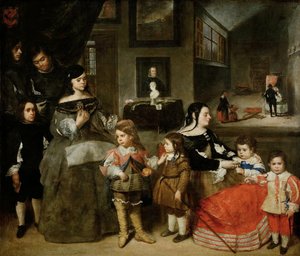
Juan Bautista Martínez del Mazo
1605 - 1667 , Spain
Quick Facts
- Artistic Movement Or Style: Spanish Baroque
- Artists Or Movements Influenced By This Artist: ['Spanish artists']
- Artists Who Influenced This Artist:
- Diego Velázquez
- Tintoretto
- Titian
- Rubens
- Date Of Birth: c. 1605-1612
- Date Of Death: 1667
- Full Name: Juan Bautista Martínez del Mazo
- Nationality: Spanish
- Notable Artworks:
- View of Saragossa
- Portrait of Queen Mariana
- The Family of the Painter
- Place Of Birth: Cuenca, Spain

