 Preview
 Send
Send Share
Share
 Details

 Download
 Similars
 X-Ray
X-Ray Diaporama
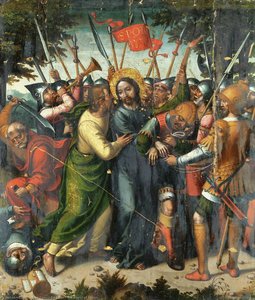
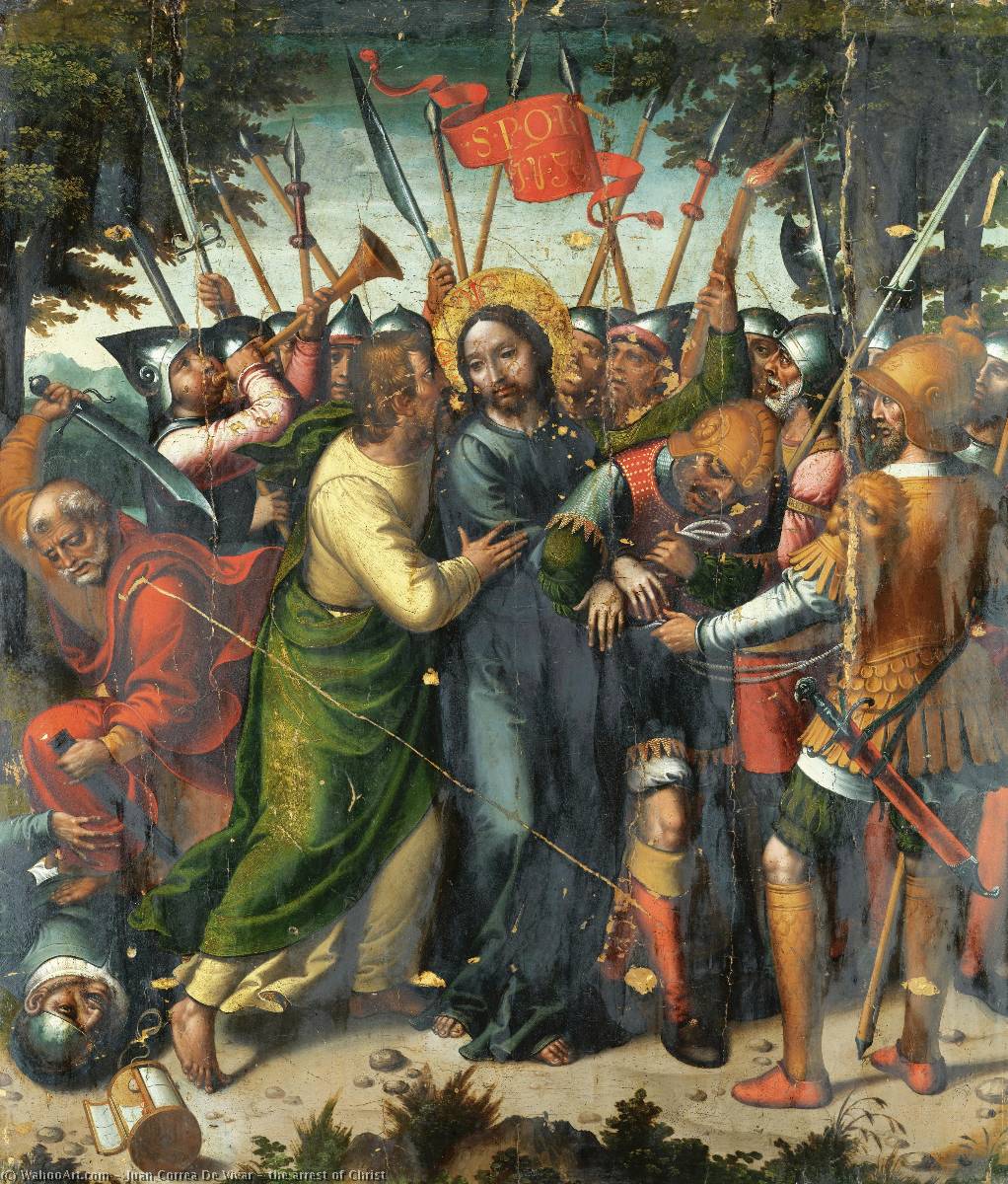
the arrest of Christ
 93.0 x 77.0 cm
 Read More
Giclée / Art Print
Museum-quality giclée or canvas print with fast production and flexible finish options. ( Buy Hand Made Painting Buy Image)




































Pick from our preset sizes that match the artwork's original proportions.

You may enter your own dimensions to fit a specific frame or space. If your selected size does not match the original image's proportions, we will either crop the artwork or extend the image with a mirrored or solid-fill edge. A digital mockup will be sent for your approval before production begins.
Please note that the on-screen preview does not reflect the actual cropping or extension. Only the mockup will accurately show the final composition.
While custom sizes are available, we recommend selecting a dimension from the predefined list to preserve the original proportions.
Worldwide Delivery () in 2 weeks instead of standard 4/5 weeks. (24 August)

Free Worldwide Express Shipping

High-Quality Linen Canvas

Full Shipping Insurance

Customs Tax Refund Guarantee

True Color Matching Guarantee

60-Day Return Policy (Defects Only)

100% Money-Back Guarantee

Bulk Discount Offer
 Glass option is only available in size under 110 CM

the arrest of Christ
Giclée / Art Print
Reproduction Size
-


Total Price
$ 63
Related Artworks








Artist Biography
Juan Correa de Vivar: Bridging Raphael’s Grace and Mannerist Dynamism
Juan Correa de Vivar, a name largely rediscovered in the 19th century, stands as a compelling figure within the tapestry of 16th-century Spanish painting. Born around 1510 in Mascaraque, a small town in Castile, his life unfolded against the backdrop of a burgeoning artistic landscape shaped by both Renaissance ideals and emerging Mannerist sensibilities. While initially overshadowed by contemporaries, Correa’s work – particularly his altarpieces – reveals a sophisticated understanding of color, composition, and emotional expression, solidifying his place as a significant artist of his time.
Correa's early life was marked by privilege, likely stemming from his family’s land ownership. Records indicate he joined the workshop of Juan de Borgoña in Toledo around 17 or 18 years old, an environment teeming with aspiring artists, including Pedro de Cisneros, a connection that undoubtedly shaped his artistic development. This formative period exposed him to established techniques and provided opportunities for collaboration – a crucial element in the training of young painters during this era. His brother, Eufrasia, and her son Rodrigo also pursued careers in art, creating a familial legacy within the creative sphere. The influence of Toledo, a major center for artistic production and trade, is undeniable; it fostered an atmosphere of experimentation and exchange that fueled Correa’s evolving style.
A Synthesis of Influences: Raphael and the Rise of Mannerism
Correa's artistic journey reveals a fascinating interplay between the enduring legacy of Raphael and the burgeoning trends of Mannerism. Raphael, whose work served as a cornerstone of Renaissance art, exerted a profound influence on Correa’s early style. The artist adopted Raphael’s masterful use of color – particularly the vibrant pinks, yellows, and blues – to create luminous and emotionally charged scenes. However, unlike his predecessor, Correa progressively incorporated elements characteristic of Mannerism, evident in his later works. This shift is marked by a deliberate departure from strict realism, favoring dynamic compositions, elongated figures, and an emphasis on psychological intensity.
The transition wasn’t abrupt; rather, it represented a gradual evolution. Correa's early commissions, such as the altarpiece for the monastery of Santa María de Guadalupe in Mascaraque (circa 1532-1534), demonstrate a clear adherence to Raphael’s principles – elegant figures, balanced compositions, and harmonious color palettes. Yet, even within these works, subtle hints of Mannerist influence begin to emerge, foreshadowing the more dramatic and expressive style that would characterize his later output. This blending of influences—the grace of Raphael tempered by the dynamism of Mannerism—is a hallmark of Correa’s artistic identity.
Notable Works: Altarpieces as Narrative Statements
Correa's most significant contributions to art history lie in his altarpieces, monumental works designed to adorn religious spaces and convey complex theological narratives. The altarpiece for the church of Almonacid de Zorita, tragically destroyed during the Spanish Civil War in 1936-39, stands as a testament to his skill and ambition. Originally conceived in collaboration with Alonso de Covarrubias, this ambitious project showcased Correa’s ability to orchestrate elaborate compositions featuring multiple figures and intricate symbolism. The surviving fragments offer glimpses into the grandeur of the original work, revealing a masterful command of color, perspective, and emotional expression.
Other notable altarpieces include those for San Roque in Almorox and the collegiate church of Torrijos. These works further demonstrate Correa’s evolving style, characterized by heightened drama, expressive gestures, and a deliberate manipulation of space. The use of color becomes more intense, while figures are rendered with greater dynamism and psychological complexity. The altarpiece for the monastery of San Martin de Valdeiglesias, completed around 1550-1560, exemplifies this shift towards Mannerist tendencies, showcasing elongated forms, distorted perspectives, and a heightened sense of emotional intensity.
Legacy and Rediscovery
Despite his talent and artistic achievements, Correa’s legacy remained largely obscured for centuries. The devastation of the Spanish Civil War resulted in the loss of many of his works, including the Almonacid altarpiece, effectively erasing a significant chapter in Spanish art history. It wasn't until the 20th century that Correa’s work was rediscovered and reevaluated by scholars like Ceán Bermudez, who meticulously researched his life and oeuvre. Bermudez’s seminal article in 1800 brought Correa back into the spotlight, initiating a renewed interest in his art and contributing to a more comprehensive understanding of his artistic development.
Today, fragments of Correa's work can be admired at the Museo del Prado in Madrid, offering tantalizing glimpses into the breadth and depth of his creative vision. His paintings continue to resonate with viewers, reminding us of the enduring power of art to capture human emotion, explore religious narratives, and bridge the gap between artistic influences.
juan correa de vivar
1510 - 1566
Quick Facts
- Artistic Movement Or Style: Renaissance, Mannerism
- Artists Or Movements Influenced By This Artist: ['Spanish Renaissance']
- Artists Who Influenced This Artist: ['Raphael']
- Date Of Birth: c. 1510
- Date Of Death: 1566
- Full Name: Juan Correa de Vivar
- Nationality: Spanish
- Notable Artworks:
- Almonacid altarpiece
- San Roque altarpiece
- Place Of Birth: Mascaraque, Spain