

 Preview
 Send
Send Share
Share
 Details

 Download
 Similars
 X-Ray
X-Ray Diaporama
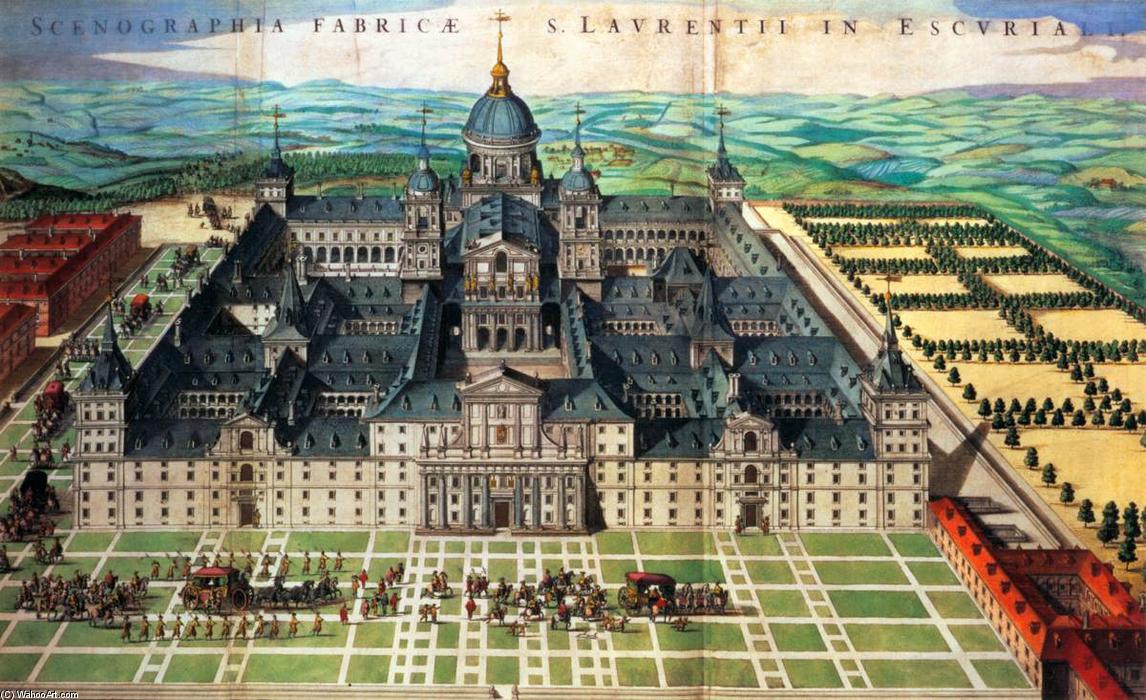
Perspective view of San Lorenzo de El Escorial


 Read More
Purchase a high-resolution, enhanced digital image, far superior to the online preview.
Each file is meticulously prepared by our in-house specialists using advanced tools and expert manual retouching. We ensure every image has exceptional clarity, precise color accuracy, and fine detail.
The final file is delivered via email within 72 hours, optimized for immediate use in professional, editorial, and print environments. This is the same quality trusted by top-tier design studios, publishers, and galleries.
Digital Image
Download a high-resolution file for personal display, printing, and creative projects. ( Buy Print Buy Hand Made Painting)
Included in Every Digital Image Order
Expert Digital Delivery, Guaranteed
When you choose ArtsDot.com, you're not just getting an image - you're receiving a professionally enhanced digital artwork, crafted with precision and backed by a satisfaction guarantee. Here's everything that comes with your order, automatically:

Fast Email Delivery
Your high-resolution digital image file will be emailed to you within 72 hours of ordering - ready for immediate use.

AI-Enhanced Digital File
Your artwork is professionally optimized using advanced AI tools and manual editing, ensuring maximum detail, clarity, and color accuracy.

Free Lifetime Re-Delivery
Accidentally deleted or lost your file? No worries - we'll resend it to you anytime, free of charge.

No Import Fees - Ever
Enjoy your artwork instantly with zero customs, duties, or delivery fees - digital downloads are always tax-free.

Color Accuracy Guarantee
We ensure your digital image reflects the original colors as closely as possible using professional tools and color management.

60-Day Satisfaction Guarantee
If you're not satisfied with your digital image, we'll revise it or refund 100% within 60 days - no questions asked.

100% Money-Back Guarantee
Not satisfied? Get a full refund within 60 days of receiving your digital file - no questions asked.

Bulk Order Discounts
Buy 3 images, save 10% - Buy 5, save 15% - Buy 10+, save 20%. Great for creative projects, galleries, and agencies.
Related Artworks










Artist Biography
Peter Sculthorpe: A Sculptural Vision
Born in Ontario, Canada in 1948, Peter Sculthorpe’s artistic journey began with a quiet intensity that blossomed fully during his final year of high school. This early spark ignited a lifelong exploration of form and process, ultimately leading him to develop a uniquely captivating approach to sculpture – one that defied easy categorization and invited viewers into an intimate dialogue with the work itself. While initially rooted in painting, Sculthorpe’s trajectory shifted dramatically in 1985, marking a pivotal moment where he began to dismantle traditional sculptural conventions and embrace a radically new methodology.
Sculthorpe's artistic philosophy centered on expanding the boundaries of perception. He wasn’t interested in replicating reality or creating static objects; instead, he sought to generate “tools for vision” – sculptures designed to stimulate multiple viewpoints and encourage active engagement from the observer. This ambition manifested in a diverse range of materials, often incorporating humble, everyday items like wire, plastic sheeting, and even discarded household products. These seemingly mundane elements were meticulously arranged and manipulated, transforming into complex, layered structures that possessed an unexpected elegance and intellectual depth.
The Development of “Wire Instruments”
Sculthorpe’s most recognizable body of work, the "Wire Instruments," emerged in the late 1980s. These intricate constructions, frequently incorporating wire, plastic, and other found objects, were not intended to be viewed from a single perspective. Instead, they were designed to be explored from multiple angles, revealing new relationships and possibilities with each shift in viewpoint. As Sculthorpe himself described, these works weren’t about sculptural concerns in the traditional sense; rather, they stemmed from a desire to create a “flat set of traditions” – a visual experience akin to a pool player strategically positioning themselves to cover all possible angles.
The influence of Josef Albers' color theory is evident in the "Wire Instruments." Sculthorpe meticulously considered how light and shadow interacted with the materials, creating subtle shifts in hue and tone that added layers of complexity to each piece. He often employed a deliberate asymmetry, disrupting conventional notions of balance and harmony, further encouraging viewers to actively interpret the work.
Technique and Materials
Sculthorpe’s technique was characterized by its meticulousness and patience. He would spend considerable time arranging and adjusting his materials, carefully considering their spatial relationships and how they would interact with light. His process wasn't about brute force; it involved a delicate balance of precision and intuition. The use of wire, in particular, became central to his practice, allowing him to create complex, interwoven structures that seemed to defy gravity.
Beyond wire, Sculthorpe frequently incorporated elements like “Pet Stain Removal Devices” – repurposed plastic containers and cleaning supplies – transforming these utilitarian objects into unexpected sculptural forms. This embrace of the discarded reflected a broader concern with sustainability and a desire to challenge conventional notions of beauty and value. His work often carries a subtle commentary on consumer culture and the ephemerality of everyday life.
Legacy and Recognition
Al Taylor’s influence extended far beyond his immediate circle, impacting a generation of artists who were interested in exploring new ways of engaging with space and perception. His retrospective at the High Museum of Art in Atlanta in 2017-2018 was a landmark event, bringing renewed attention to his work and solidifying his place as a significant figure in contemporary sculpture. His pieces are now held in prominent collections worldwide, including the British Museum, the Guggenheim Museum, and The Museum of Modern Art.
Sculthorpe’s legacy lies not only in the unique aesthetic qualities of his sculptures but also in his profound philosophical approach to art-making. He demonstrated that sculpture could be a dynamic, interactive experience – inviting viewers to become active participants in the creation of meaning. His work continues to challenge and inspire artists and audiences alike, reminding us of the power of art to expand our understanding of the world around us.
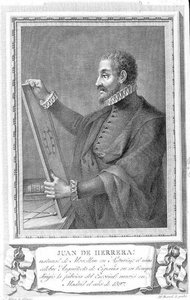
juan de herrera
1948 - 1597 , United States of America
Quick Facts
- Artistic Movement Or Style: Abstract Expressionism
- Artists Or Movements Influenced By This Artist: ['Al Taylor']
- Artists Who Influenced This Artist: ['Jackson Pollock']
- Date Of Birth: 1948
- Full Name: Al Taylor
- Nationality: American
- Notable Artworks:
- Wire Instruments
- Pet Stain Removal Devices
- Place Of Birth: Springfield, Missouri

