 Preview
 Send
Send Share
Share
 Details

 Download
 Similars
 X-Ray
X-Ray Diaporama
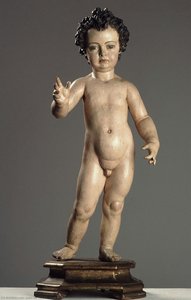
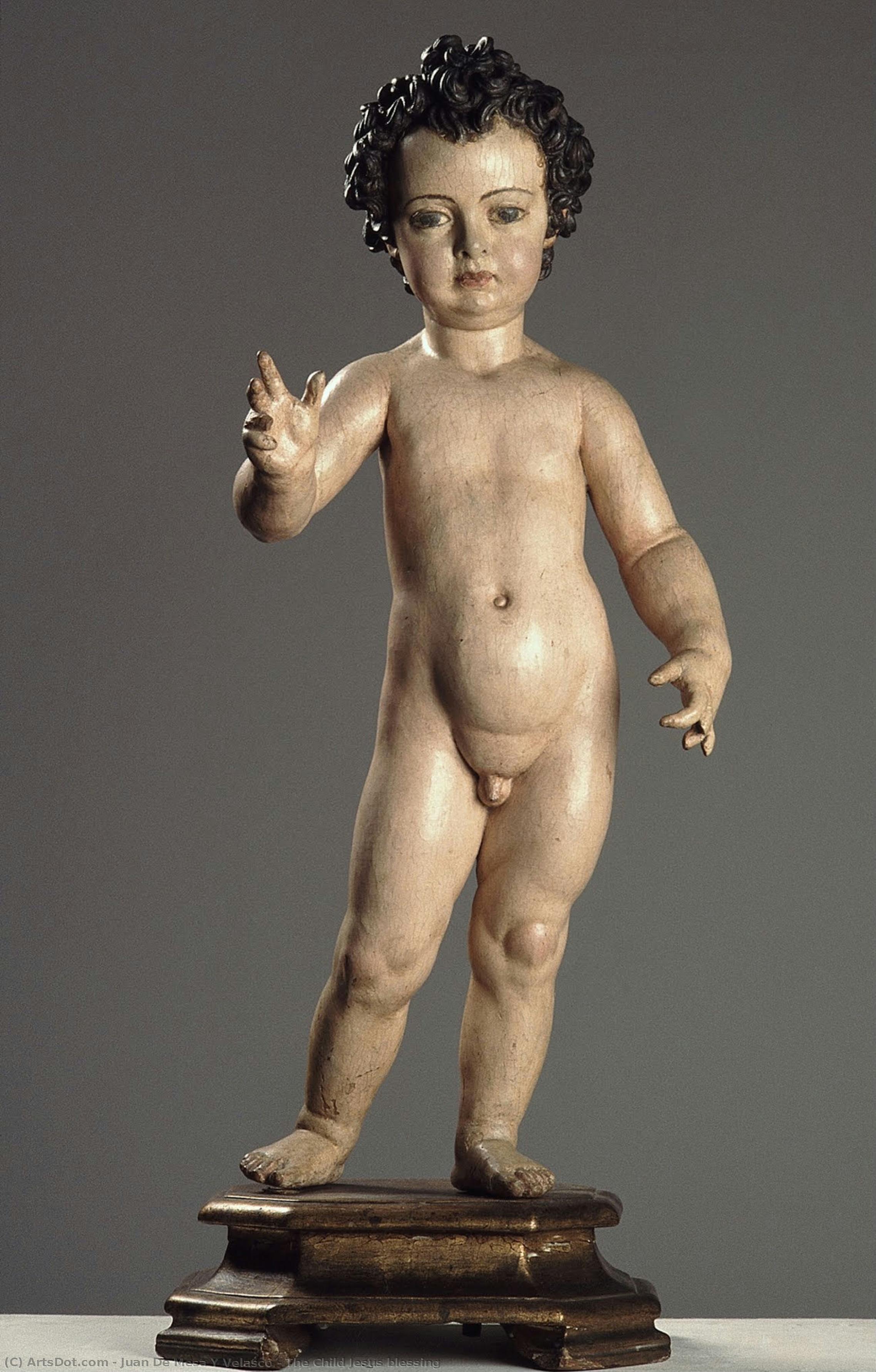
The Child Jesus blessing
 28.0 x 63.0 cm
 Museum of Fine Arts of Córdoba
 Read More
Giclée / Art Print
Museum-quality giclée or canvas print with fast production and flexible finish options. ( Buy Hand Made Painting Buy Image)




































Pick from our preset sizes that match the artwork's original proportions.

You may enter your own dimensions to fit a specific frame or space. If your selected size does not match the original image's proportions, we will either crop the artwork or extend the image with a mirrored or solid-fill edge. A digital mockup will be sent for your approval before production begins.
Please note that the on-screen preview does not reflect the actual cropping or extension. Only the mockup will accurately show the final composition.
While custom sizes are available, we recommend selecting a dimension from the predefined list to preserve the original proportions.
Worldwide Delivery () in 2 weeks instead of standard 4/5 weeks. (6 September)

Free Worldwide Express Shipping

High-Quality Linen Canvas

Full Shipping Insurance

Customs Tax Refund Guarantee

True Color Matching Guarantee

100-Day Return Policy (Defects Only)

100% Money-Back Guarantee

Bulk Discount Offer
 Glass option is only available in size under 110 CM

The Child Jesus blessing
Giclée / Art Print
Reproduction Size
-


Total Price
$ 63
Related Artworks




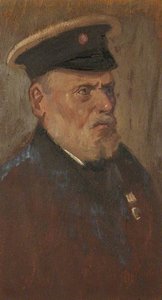



Artist Biography
A Life Carved in Devotion: The Baroque Realism of Juan de Mesa y Velasco
Juan de Mesa y Velasco, a name resonating with the fervor and dramatic intensity of 17th-century Spanish sculpture, remains a figure both celebrated and somewhat enigmatic. Born in Córdoba in 1583, his brief but profoundly impactful career unfolded primarily within the artistic heart of Seville, leaving behind a legacy of processional effigies that continue to inspire religious devotion centuries later. While biographical details are sparse—his early death at just forty-four years old contributing to the gaps in our understanding—the power and emotional depth of his work speak volumes about his dedication to his craft and the spiritual climate of his time. Mesa wasn’t merely a sculptor; he was an interpreter of faith, translating complex theological concepts into tangible forms that moved viewers with startling realism.Apprenticeship and Artistic Formation
In 1606, at the age of twenty-three, Juan de Mesa embarked on a pivotal journey to Seville, seeking tutelage under the esteemed Juan Martínez Montañés. This apprenticeship proved transformative. Montañés, already a master of his craft, instilled in Mesa a commitment to naturalism and anatomical accuracy—qualities that would become hallmarks of his own style. The workshop environment was rigorous, demanding not only technical skill but also a deep understanding of religious iconography and the emotional weight it carried. Montañés’ influence is undeniable; both sculptors shared a preference for depicting figures with a profound sense of humanity, eschewing idealized forms in favor of portraying realistic expressions and physical details. This approach wasn't simply aesthetic; it was deeply rooted in the Counter-Reformation’s emphasis on accessibility and emotional engagement within religious art. The Catholic Church, seeking to reconnect with its followers after the challenges of the Protestant Reformation, championed artwork that resonated with ordinary people—art that spoke directly to their hearts through relatable imagery.The Sculptor's Vision: Realism as a Vehicle for Faith
De Mesa’s sculptures are characterized by an extraordinary level of realism, meticulously capturing the nuances of human anatomy and emotion. He wasn’t interested in creating idealized representations; instead, he sought to portray figures that felt palpably alive, imbued with both physical presence and spiritual weight. This commitment extended beyond mere anatomical accuracy—he masterfully conveyed textures, from the delicate folds of drapery to the weathered skin of his subjects. His most celebrated works are processional effigies – life-sized sculptures designed to be carried through the streets during Holy Week celebrations. These weren’t static objects; they were intended to be dynamic participants in a public display of faith, engaging directly with the community. Cristo del Amor, Cristo de la Buena Muerte, and Jesús del Gran Poder stand as prime examples of his skill, each sculpture radiating an aura of profound suffering and divine grace. The impact of these works lies in their ability to evoke empathy and inspire contemplation—they are not simply representations of religious figures but powerful conduits for spiritual experience.Legacy and Historical Context
Juan de Mesa’s untimely death in 1627 cut short a promising career, leaving behind a relatively small but remarkably influential body of work. Speculation about the cause of his demise often centers on chronic illness, possibly tuberculosis, given the prevalence of the disease at the time. Despite the brevity of his active period, his impact on Sevillian sculpture was profound. He continued and refined the naturalistic style pioneered by Montañés, solidifying Seville’s reputation as a major center for Baroque religious art. His sculptures weren't merely objects of beauty; they were integral components of the city’s cultural and spiritual life. The processional effigies he created remain central to Holy Week celebrations today, continuing to inspire devotion and evoke powerful emotional responses from viewers. His work stands as a testament to the power of art to bridge the gap between the divine and the human, offering a tangible expression of faith that continues to resonate across generations.Influences and Artistic Connections
While Montañés was undoubtedly his primary influence, de Mesa’s artistic development also reflects broader trends within the Spanish Baroque movement. The emphasis on dramatic realism can be traced back to earlier masters like Alonso Berruguete, whose sculptures similarly sought to convey intense emotion through expressive gestures and anatomical detail. Furthermore, the theatricality of his processional effigies aligns with the broader cultural context of 17th-century Spain—a period characterized by elaborate religious ceremonies and a fascination with spectacle.- The influence of Italian Renaissance sculpture, particularly the work of Michelangelo, can be detected in de Mesa’s understanding of anatomy and his ability to convey movement.
- His sculptures also reflect the growing popularity of *desopilatorios*—scenes depicting Christ's descent from the cross—which were often used as focal points for religious processions.
- The work of other Sevillian sculptors, such as Juan Valdés Leal, demonstrates a shared commitment to realism and emotional intensity, highlighting the vibrant artistic community in which de Mesa flourished.

juan de mesa y velasco
1583 - 1627 , Spain
Quick Facts
- Artistic Movement Or Style: Baroque sculpture
- Artists Who Influenced This Artist: ['Juan Martínez Montañés']
- Date Of Birth: 1583
- Date Of Death: 1627
- Full Name: Juan de Mesa y Velasco
- Nationality: Spanish
- Notable Artworks:
- Cristo del Amor
- Cristo de la Buena Muerte
- Jesus del Gran Poder
- Place Of Birth: Cordoba, Spain