

 Preview
 Send
Send Share
Share
 Details

 Download
 Similars
 X-Ray
X-Ray Diaporama
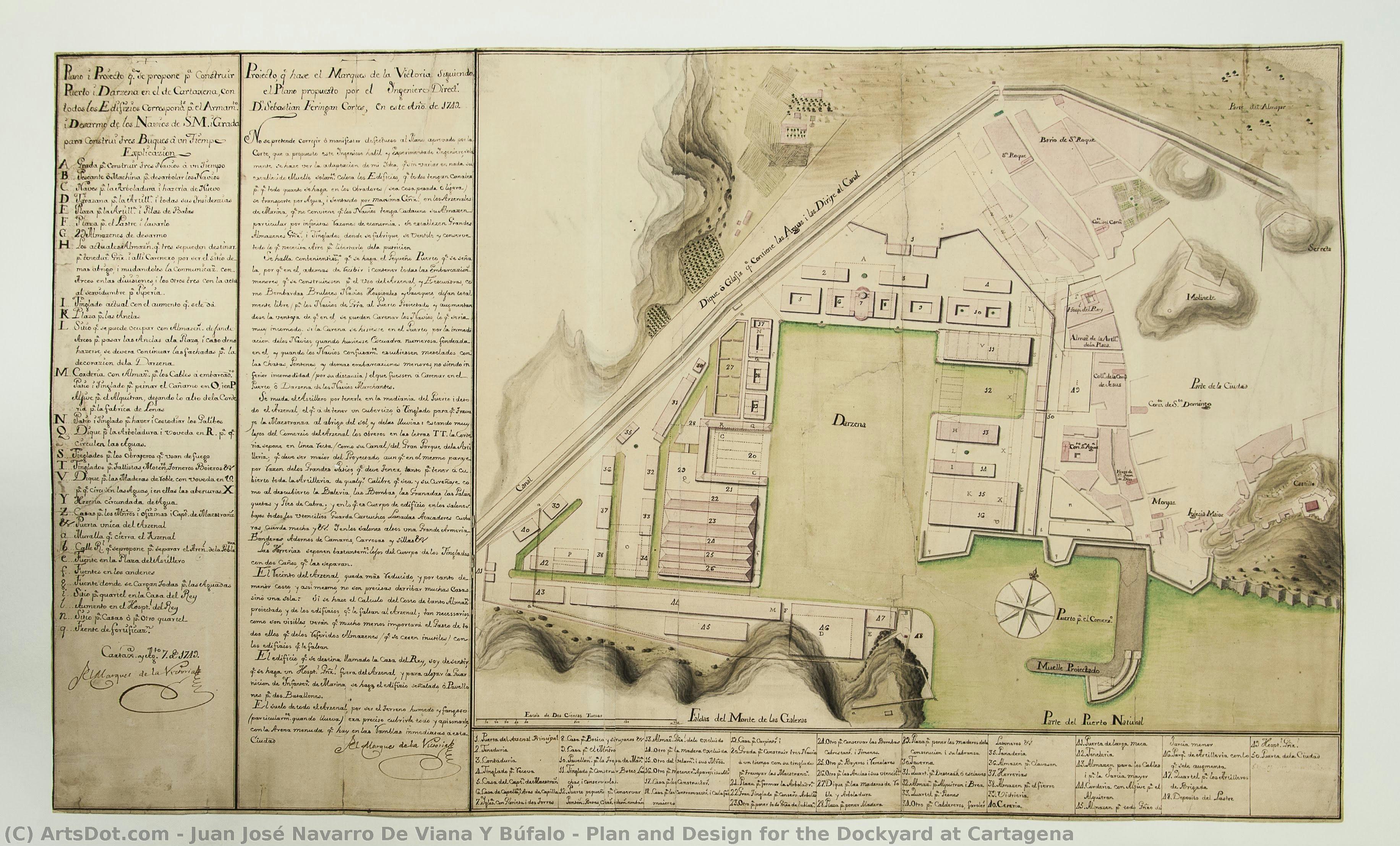
Plan and Design for the Dockyard at Cartagena

 Read More
Purchase a high-resolution, enhanced digital image, far superior to the online preview.
Each file is meticulously prepared by our in-house specialists using advanced tools and expert manual retouching. We ensure every image has exceptional clarity, precise color accuracy, and fine detail.
The final file is delivered via email within 72 hours, optimized for immediate use in professional, editorial, and print environments. This is the same quality trusted by top-tier design studios, publishers, and galleries.
Digital Image
Download a high-resolution file for personal display, printing, and creative projects. ( Buy Print Buy Hand Made Painting)
Included in Every Digital Image Order
Expert Digital Delivery, Guaranteed
When you choose ArtsDot.com, you're not just getting an image - you're receiving a professionally enhanced digital artwork, crafted with precision and backed by a satisfaction guarantee. Here's everything that comes with your order, automatically:

Fast Email Delivery
Your high-resolution digital image file will be emailed to you within 72 hours of ordering - ready for immediate use.

AI-Enhanced Digital File
Your artwork is professionally optimized using advanced AI tools and manual editing, ensuring maximum detail, clarity, and color accuracy.

Free Lifetime Re-Delivery
Accidentally deleted or lost your file? No worries - we'll resend it to you anytime, free of charge.

No Import Fees - Ever
Enjoy your artwork instantly with zero customs, duties, or delivery fees - digital downloads are always tax-free.

Color Accuracy Guarantee
We ensure your digital image reflects the original colors as closely as possible using professional tools and color management.

60-Day Satisfaction Guarantee
If you're not satisfied with your digital image, we'll revise it or refund 100% within 60 days - no questions asked.

100% Money-Back Guarantee
Not satisfied? Get a full refund within 60 days of receiving your digital file - no questions asked.

Bulk Order Discounts
Buy 3 images, save 10% - Buy 5, save 15% - Buy 10+, save 20%. Great for creative projects, galleries, and agencies.
Related Artworks









Artist Biography
Early Life and Military Career
Juan José Navarro de Viana y Bufalo, born November 30, 1687, in Messina, Italy—the eldest son of Ignacio de Navarro y Viana, a captain in the Spanish-ruled Kingdom of Naples—was destined for a life steeped in military service. His father’s death in captivity during the War of Succession marked an early formative experience, shaping his unwavering dedication to duty and strategic thinking. At eight years old, he entered the Spanish army, demonstrating remarkable foresight for his age. He served valiantly in Northern Italy during the conflict, participating in pivotal battles like Luzzara and Turin alongside the Franco-Spanish Bourbon forces. The devastating defeat at Cape Passaro in 1718 profoundly impacted him, igniting a lifelong passion for naval reform and tactical innovation—a fascination that would define his subsequent endeavors. Following the Treaty of Utrecht in 1714, he ascended to captaincy within his father’s regiment, continuing his military trajectory with distinction.The Academia de Guardias Marinas and Naval Reform
Navarro's contribution to Spanish naval history began with his pivotal role in establishing the Academia de Guardias Marinas (Royal Academy of Marines) in Cadiz in 1717. Recognizing the urgent need for professional training—a deficiency acutely felt by Spain’s navy at the time—he spearheaded its creation, meticulously crafting its curriculum and ensuring it adhered to the highest standards. This initiative wasn't merely educational; it represented a decisive step toward modernizing Spain’s maritime capabilities. Navarro championed innovative naval doctrines, advocating for advancements in weaponry, ship design, and tactical maneuvers—ideas that challenged conventional thinking and paved the way for significant reforms within the Armada Española. His unwavering belief in strategic excellence would propel him to positions of leadership throughout his career.Admiralship and Leadership During Turbulent Times
Navarro’s naval ascent continued with rapid progression, culminating in his appointment as lieutenant general in 1732—a testament to his proven competence and unwavering commitment to military service. He commanded Spanish forces during the War of Austrian Succession, demonstrating courage and strategic acumen amidst complex geopolitical challenges. Notably, he led a convoy transporting Charles III from Naples to Spain in 1759, skillfully navigating diplomatic complexities while safeguarding the King’s safety. His command during the Seven Years' War was equally noteworthy; he oversaw the defense of Cadiz against British naval aggression—a siege that underscored his unwavering resolve and tactical brilliance. He served as Captain General until 1768, overseeing Spain’s maritime interests in the Mediterranean region and bolstering its defenses against rival powers.Artistic Patronage and Architectural Vision
Beyond his military accomplishments, Navarro possessed a remarkable artistic talent—a facet of his personality often overshadowed by his official duties. He was particularly captivated by naval architecture, dedicating considerable effort to studying ship design and construction techniques. This passion manifested in his paintings, notably “Plan and Design for the Dockyard at Cartagena,” an ambitious undertaking that showcased his meticulous attention to detail and profound understanding of maritime engineering principles. The painting embodies a spirit of innovation and reflects Navarro’s conviction that mastering naval technology was paramount to securing Spain's dominance on the seas. His artistic endeavors served as both personal fulfillment and a conduit for disseminating knowledge about shipbuilding—a contribution that cemented his legacy as an intellectual as well as a military leader.Legacy and Recognition
Juan José Navarro de Viana y Bufalo died February 5, 1772, in Isla de León, Cadiz—leaving behind a formidable record of service and accomplishment. He was elevated to Marquis of Victoria by Charles III in recognition of his unwavering dedication to Spain’s naval interests and his pioneering role in shaping its maritime future. His influence extended far beyond his lifetime, inspiring subsequent generations of naval officers and fostering a culture of strategic excellence within the Armada Española. Today, he is honored as one of Spain's most distinguished admirals—a figure whose life exemplifies courage, intellect, and unwavering commitment to national defense. The Pantheon of Illustrious Sailors in Cadiz stands as enduring testament to his contribution to Spanish history and naval heritage.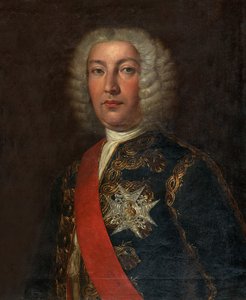
juan josé navarro de viana y búfalo
1687 - 1772 , Italy
Quick Facts
- Artistic Movement Or Style: Naval Architecture
- Artists Or Movements Influenced By This Artist: ['None Known']
- Artists Who Influenced This Artist: ['None Known']
- Date Of Birth: November 30, 1687
- Date Of Death: February 5, 1772
- Full Name: Juan José Navarro de Viana y Bufalo
- Nationality: Spanish
- Notable Artworks: ['Plan and Design for the Dockyard at Cartagena']
- Place Of Birth: Messina, Italy

