

 Preview
 Send
Send Share
Share
 Details

 Download
 Similars
 X-Ray
X-Ray Diaporama
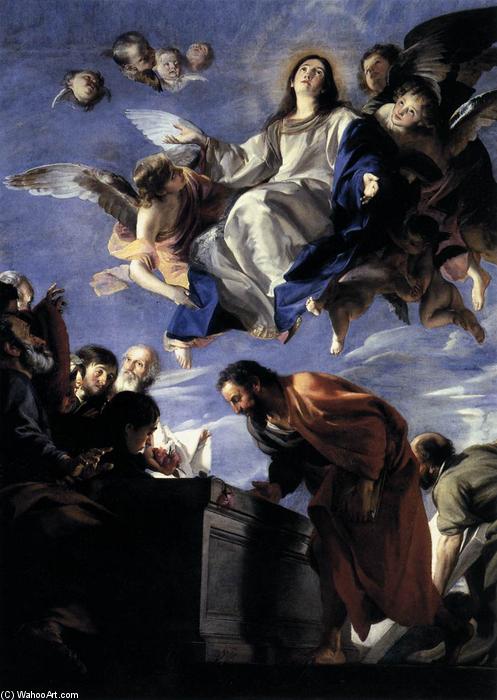
Assumption of the Virgin
 Acrylic On Canvas
- WallArt
- Baroque Style
 1665
1665 237.0 x 169.0 cm
 Museo del Prado
 Read More
Purchase a high-resolution, enhanced digital image, far superior to the online preview.
Each file is meticulously prepared by our in-house specialists using advanced tools and expert manual retouching. We ensure every image has exceptional clarity, precise color accuracy, and fine detail.
The final file is delivered via email within 72 hours, optimized for immediate use in professional, editorial, and print environments. This is the same quality trusted by top-tier design studios, publishers, and galleries.
Digital Image
Download a high-resolution file for personal display, printing, and creative projects. ( Buy Print Buy Hand Made Painting)
Included in Every Digital Image Order
Expert Digital Delivery, Guaranteed
When you choose ArtsDot.com, you're not just getting an image - you're receiving a professionally enhanced digital artwork, crafted with precision and backed by a satisfaction guarantee. Here's everything that comes with your order, automatically:

Fast Email Delivery
Your high-resolution digital image file will be emailed to you within 72 hours of ordering - ready for immediate use.

AI-Enhanced Digital File
Your artwork is professionally optimized using advanced AI tools and manual editing, ensuring maximum detail, clarity, and color accuracy.

Free Lifetime Re-Delivery
Accidentally deleted or lost your file? No worries - we'll resend it to you anytime, free of charge.

No Import Fees - Ever
Enjoy your artwork instantly with zero customs, duties, or delivery fees - digital downloads are always tax-free.

Color Accuracy Guarantee
We ensure your digital image reflects the original colors as closely as possible using professional tools and color management.

60-Day Satisfaction Guarantee
If you're not satisfied with your digital image, we'll revise it or refund 100% within 60 days - no questions asked.

100% Money-Back Guarantee
Not satisfied? Get a full refund within 60 days of receiving your digital file - no questions asked.

Bulk Order Discounts
Buy 3 images, save 10% - Buy 5, save 15% - Buy 10+, save 20%. Great for creative projects, galleries, and agencies.
Collectible Description
A Vision of Heavenly Grace: Exploring Juan Martín Cabezalero’s Assumption
The painting “Assumption of the Virgin,” attributed to Juan Martín Cabezalero (1633-1673), stands as a testament to the grandeur and spiritual fervor of Baroque art in Spain. Executed around 1665, this monumental canvas transcends mere depiction; it strives to convey an experience of divine transcendence, capturing the essence of one of Christianity’s most poignant narratives – Mary ascending into heaven after her Dormition. Its presence within the Museo Nacional del Prado underscores Cabezalero's contribution to a pivotal moment in Spanish artistic heritage.Style and Technique: Baroque Drama Embodied
Cabezalero’s stylistic approach firmly anchors itself within the Baroque tradition, prioritizing dramatic lighting and opulent color palettes—characteristics that distinguish it from earlier Renaissance styles. Unlike his mentor Juan Carreño de Miranda, Cabezalero eschewed the fragmented, broken brushstrokes favored by Carreño, opting instead for a meticulously controlled technique characterized by smooth, firm strokes that lend solidity to the figures and create an illusion of depth. This deliberate attention to detail is evident throughout the composition, particularly in the rendering of Mary’s drapery—a masterful demonstration of Baroque artistry. The artist skillfully employs chiaroscuro – the interplay between light and shadow – to sculpt the forms of Mary and her attendants, emphasizing their ethereal beauty and conveying a palpable sense of solemn reverence.Historical Context: Faith Illuminated
The painting emerged during a period marked by intense religious devotion in Spain—the Counter-Reformation—a movement aimed at reaffirming Catholic dogma following the Protestant Reformation. Consequently, “Assumption” reflects the prevailing artistic sensibilities of its time, serving as an emblem of Marian piety and embodying the Baroque’s ambition to inspire spiritual contemplation. The depiction aligns closely with established iconography, utilizing familiar symbols – notably the blue cloak representing Mary's purity—to communicate theological concepts directly to the viewer. Furthermore, Cabezalero’s choice of subject matter speaks to the broader cultural preoccupation with themes of salvation and divine grace prevalent during the Baroque era.Symbolism: Angels Ascending, Humanity Contemplating
The composition is replete with symbolic elements designed to elevate the narrative beyond a simple visual representation. The angels surrounding Mary are not merely assistants; they symbolize divine guardianship and proclaim God’s benevolent intervention in human affairs. Their upward gaze mirrors Mary's ascent, emphasizing the triumph of faith over mortality and conveying an aspiration towards eternal life. Below Mary, figures representing earthly witnesses—men and women dressed in varying social strata—express awe and sorrow as they contemplate the Virgin’s departure. These expressions underscore the universality of human experience – grief for loss coupled with reverence for divine majesty—a poignant reminder of humanity's vulnerability before God’s power.Emotional Impact: A Moment Frozen in Time
“Assumption” achieves its profound emotional impact through Cabezalero’s masterful manipulation of color and light. The warm hues adorning Mary and the angels contrast sharply with the cooler tones of the surrounding figures, directing the viewer's gaze towards the central subject—a deliberate tactic employed by Baroque artists to evoke feelings of piety and wonder. The dramatic lighting enhances the sense of grandeur and reinforces the painting’s spiritual significance. Ultimately, Cabezalero’s “Assumption” remains a captivating masterpiece that continues to inspire admiration for its artistic skill and its ability to communicate enduring theological truths—a timeless portrayal of faith and divine grace.Related Artworks
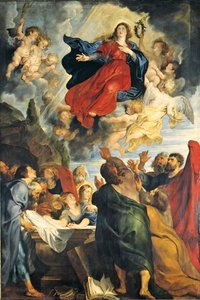

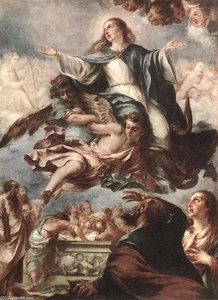
Artist Biography
A Life Illuminated by Shadow and Reflection: Juan Martín Cabezalero
Juan Martín Cabezalero, born in Almaden, Spain, in 1633, emerged from the rich artistic tapestry of the Spanish Baroque period. While biographical details remain somewhat elusive – a common fate for artists operating outside the immediate orbit of courtly patronage – his surviving works speak volumes about a talent deeply attuned to both the spiritual fervor and the natural world of his time. Almaden, famed for its mercury mines, provided an unusual backdrop for a budding artist; perhaps the play of light and shadow within the depths of those mines subtly informed Cabezalero’s later mastery of chiaroscuro. He died in 1673, leaving behind a relatively small but profoundly impactful body of work that continues to captivate viewers with its evocative power. His career unfolded during a period of intense religious devotion in Spain, and this is undeniably reflected in the subject matter he chose to depict.The Spiritual Core: Religious Paintings and Artistic Influences
Cabezalero’s oeuvre is dominated by religious scenes, primarily focusing on depictions of saints, martyrs, and moments from the lives of Christ and the Virgin Mary. These are not grand, sweeping narratives intended to overwhelm with spectacle; rather, they are intimate studies in faith, suffering, and divine grace. His paintings possess a quiet intensity, drawing the viewer into the emotional core of each scene. The influence of Francisco Ribalta is readily apparent in Cabezalero’s early works – particularly in his use of somber palettes and dramatic lighting to create a sense of profound realism. However, Cabezalero quickly developed his own distinct style, moving away from Ribalta's more rigid compositions towards a softer, more nuanced approach. He also absorbed elements from the work of José de Zurbará, evident in the austere dignity he imbues in his depictions of monastic figures and saints. The emphasis on realism wasn’t merely technical; it was intended to foster a deeper connection between the viewer and the sacred subject matter.Beyond the Divine: Animal Studies and ‘The Dog and the Moon’
While celebrated for his religious paintings, Cabezalero also distinguished himself through his remarkable animal studies – particularly those featuring dogs. These works are not simply portraits of animals; they are imbued with a psychological depth rarely seen in contemporary depictions. His most famous painting, The Dog and the Moon, exemplifies this unique talent. The scene depicts a dog gazing intently at its reflection in water, mistaking it for another canine. This seemingly simple image is rich with symbolism, often interpreted as an allegory of human vanity and self-deception – a reminder that we are often misled by appearances. The painting’s enduring appeal lies in its ability to resonate on multiple levels, inviting contemplation about the nature of perception, reality, and the limitations of our own understanding. The meticulous detail with which Cabezalero renders the dog's fur, eyes, and expression speaks to his exceptional technical skill, but it is the underlying philosophical message that truly elevates the work.Technique and Legacy: A Master of Chiaroscuro
Cabezalero’s technique is characterized by a masterful use of chiaroscuro – the dramatic contrast between light and shadow. He employed this technique not merely to create visual impact, but to sculpt form, heighten emotional intensity, and guide the viewer's eye. His brushwork is generally smooth and refined, although he occasionally employs looser strokes to suggest texture and movement.- His color palette tends towards earth tones – browns, ochres, and grays – punctuated by occasional flashes of red or blue.
- He was adept at creating a sense of depth and atmosphere through subtle gradations of light and shadow.
- The composition of his paintings is typically balanced and harmonious, although he often introduces elements of asymmetry to create visual interest.
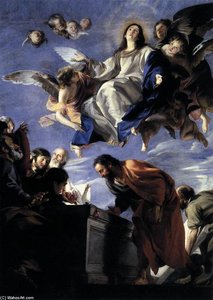
juan martín cabezalero
1633 - 1673 , Spain
Quick Facts
- Artistic Movement Or Style: Baroque Painting
- Artists Or Movements Influenced By This Artist: ['José Jiménez Donoso']
- Artists Who Influenced This Artist: ['Anthony van Dyck']
- Date Of Birth: August 1645
- Full Name: Juan Martín Cabezalero
- Nationality: Spanish
- Notable Artworks:
- Saint Jerome
- The Dog and the Moon
- Place Of Birth: Almadén, Spain

