

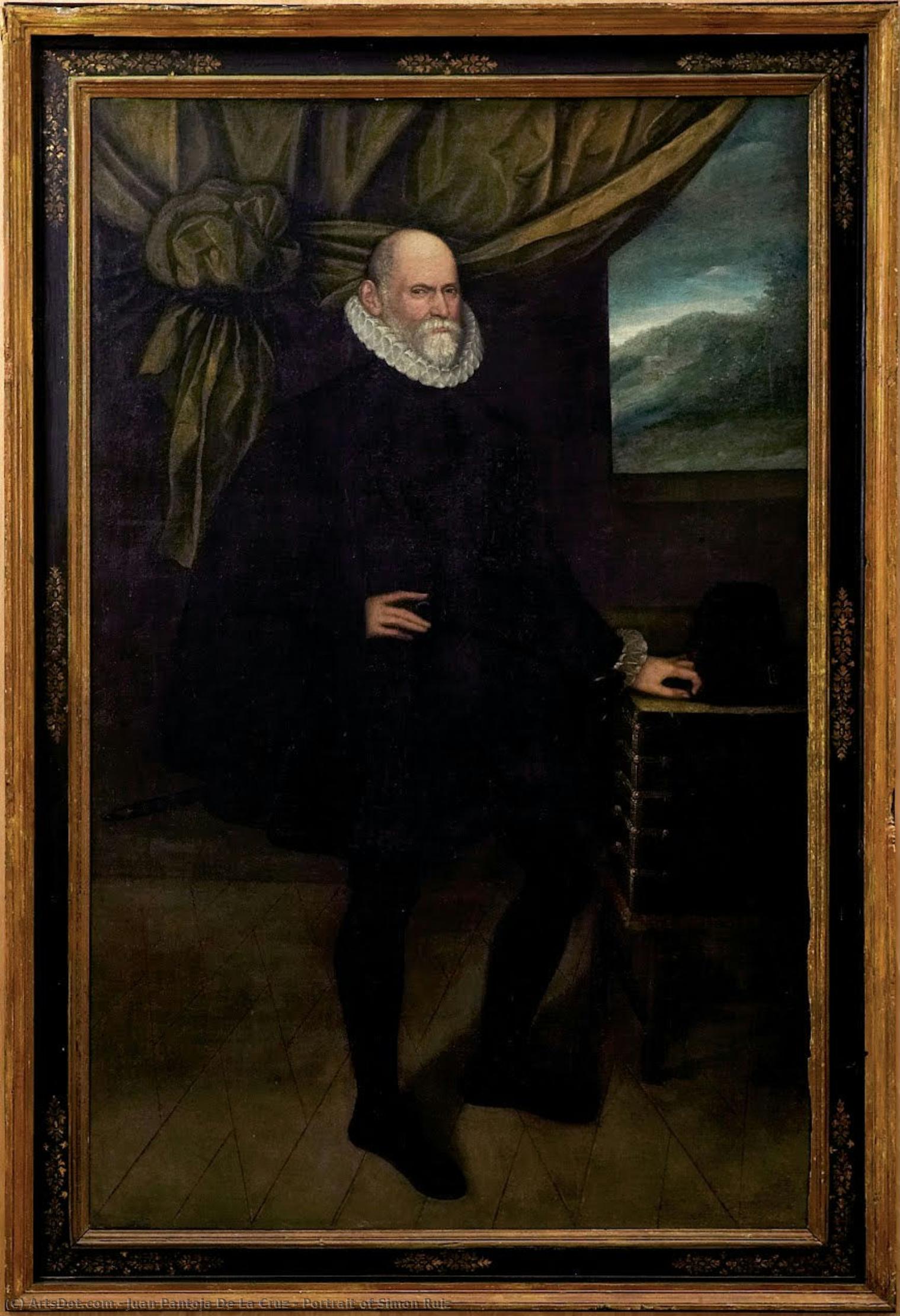
 Preview
 Send
Send Share
Share
 Details

 Download
 Similars
 X-Ray
X-Ray Diaporama
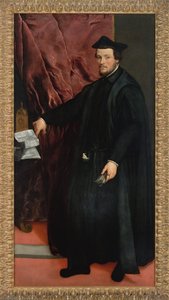
Portrait of Simon Ruiz
 207.0 x 128.0 cm
 Museum of the Fairs Foundation - Simón Ruiz Archive
 Read More
Purchase a high-resolution, enhanced digital image, far superior to the online preview.
Each file is meticulously prepared by our in-house specialists using advanced tools and expert manual retouching. We ensure every image has exceptional clarity, precise color accuracy, and fine detail.
The final file is delivered via email within 72 hours, optimized for immediate use in professional, editorial, and print environments. This is the same quality trusted by top-tier design studios, publishers, and galleries.
Digital Image
Download a high-resolution file for personal display, printing, and creative projects. ( Buy Print Buy Hand Made Painting)
Included in Every Digital Image Order
Expert Digital Delivery, Guaranteed
When you choose ArtsDot.com, you're not just getting an image - you're receiving a professionally enhanced digital artwork, crafted with precision and backed by a satisfaction guarantee. Here's everything that comes with your order, automatically:

Fast Email Delivery
Your high-resolution digital image file will be emailed to you within 72 hours of ordering - ready for immediate use.

AI-Enhanced Digital File
Your artwork is professionally optimized using advanced AI tools and manual editing, ensuring maximum detail, clarity, and color accuracy.

Free Lifetime Re-Delivery
Accidentally deleted or lost your file? No worries - we'll resend it to you anytime, free of charge.

No Import Fees - Ever
Enjoy your artwork instantly with zero customs, duties, or delivery fees - digital downloads are always tax-free.

Color Accuracy Guarantee
We ensure your digital image reflects the original colors as closely as possible using professional tools and color management.

60-Day Satisfaction Guarantee
If you're not satisfied with your digital image, we'll revise it or refund 100% within 60 days - no questions asked.

100% Money-Back Guarantee
Not satisfied? Get a full refund within 60 days of receiving your digital file - no questions asked.

Bulk Order Discounts
Buy 3 images, save 10% - Buy 5, save 15% - Buy 10+, save 20%. Great for creative projects, galleries, and agencies.
Collectible Description
Related Artworks
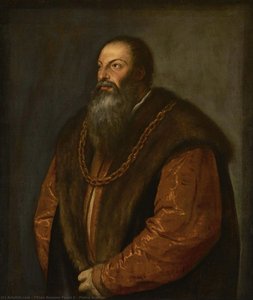
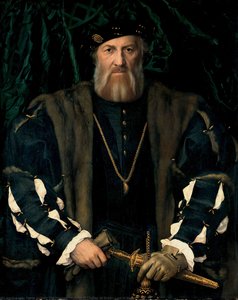

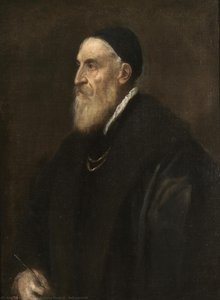




Artist Biography
A Master of Spanish Majesty: The Life and Art of Juan Pantoja de la Cruz
Juan Pantoja de la Cruz, born in Valladolid in 1553, stands as a pivotal figure in the evolution of Spanish portraiture during the Golden Age. Though often overshadowed by later masters like Velázquez, Pantoja’s contribution to establishing a distinctly Spanish visual language for royal power and aristocratic presence is undeniable. His career unfolded primarily within the courts of Philip II and Philip III, demanding an artistic approach that balanced regal formality with subtle psychological insight. Little is known about his early training beyond his apprenticeship under Alonso Sánchez Coello, the court painter to Philip II, a formative experience that instilled in him the meticulous detail and dignified composure characteristic of Spanish royal portraiture. He likely assisted Coello in fulfilling the constant demand for images of the king, absorbing the techniques and conventions of representing power through paint. Upon Coello’s death in 1588, Pantoja seamlessly assumed his master's workshop and position, becoming a central figure in shaping the visual identity of the Spanish monarchy.The Court Painter: Duty, Detail, and Defining a Dynasty
Pantoja de la Cruz’s artistic life was inextricably linked to the demands of the court. He wasn’t merely recording likenesses; he was crafting symbols of authority and lineage. His portraits weren't intended as intimate glimpses into personality but rather as carefully constructed representations of status, power, and divine right. The portrait of Philip II in black, painted around 1594 for the Escorial, exemplifies this approach. It’s a masterful study in somber dignity, where the king is presented not as an individual but as an almost remote embodiment of Spanish majesty. The stark contrast between the dark attire and pale complexion, combined with the rigid pose, conveys a sense of unassailable authority. This wasn't simply about capturing physical resemblance; it was about constructing an image that reinforced the ideological foundations of the monarchy. Pantoja’s workshop became a prolific engine for producing these state portraits, often relying on assistants to manage the sheer volume of commissions. He painted Prince Philip (the future Philip III) multiple times, carefully documenting his transition from heir apparent to king. Beyond royalty, he also portrayed members of the high aristocracy, solidifying his reputation as the premier portraitist of his time.Beyond Portraits: Religious Works and Artistic Versatility
While celebrated for his portraits, Pantoja de la Cruz was a versatile artist who engaged with various genres. Commissioned by Queen Margaret of Austria, wife of Philip III, he produced numerous religious works. These paintings often incorporated portraits of members of the royal family as secondary figures, subtly reinforcing their piety and connection to divine grace. The Birth of the Virgin, painted in 1603, is a prime example, featuring the Queen’s mother amongst the attending figures. This practice wasn't merely decorative; it served to integrate the monarchy into religious narratives, bolstering its legitimacy. Though few survive today, Pantoja also experimented with still lifes and frescoes, demonstrating his willingness to explore emerging artistic trends. Contemporary accounts suggest he was highly regarded as an animal painter, a skill that added another layer of realism and detail to his compositions. His range extended beyond the confines of courtly commissions, revealing a genuine curiosity and adaptability as an artist.Legacy and Historical Significance
For centuries, Pantoja de la Cruz’s work was often dismissed by art historians prejudiced against non-Italian artistic traditions. He was labeled “uninspired” and “dull,” despite his undeniable technical skill and productivity. However, modern scholarship has begun to reassess his contribution, recognizing him as a crucial link in the development of Spanish portraiture. His compositional formulas, particularly his use of stark lighting and formal posing, directly influenced later masters like Diego Velázquez. While Velázquez ultimately surpassed Pantoja in psychological depth and painterly innovation, he built upon the foundations laid by his predecessor. Pantoja’s meticulous attention to detail, his ability to convey status through visual cues, and his mastery of geometric abstraction all contributed to a distinctly Spanish aesthetic that resonated throughout the 17th century. He represents one of the highest points in Mannerism within the context of portrait painting, skillfully blending Italianate influences with uniquely Spanish sensibilities. His work remains a testament to the power of art to shape perceptions of authority and define an era.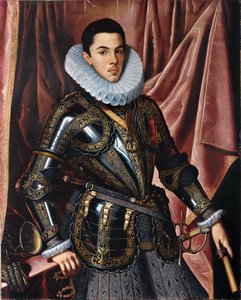
Juan Pantoja de la Cruz
1553 - 1608 , Spain
Quick Facts
- Artistic Movement Or Style: Mannerism
- Artists Or Movements Influenced By This Artist: ['Diego Velázquez']
- Artists Who Influenced This Artist:
- Alonso Sánchez Coello
- Antonis Mor
- Titian
- Date Of Birth: 1553
- Date Of Death: 1608
- Full Name: Juan Pantoja de la Cruz
- Nationality: Spanish
- Notable Artworks:
- Philip II portrait
- Philip III portrait
- Birth of the Virgin
- Place Of Birth: Valladolid, Spain

