 Preview
 Send
Send Share
Share
 Details

 Download
 Similars
 X-Ray
X-Ray Diaporama
 Stats
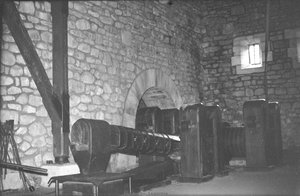
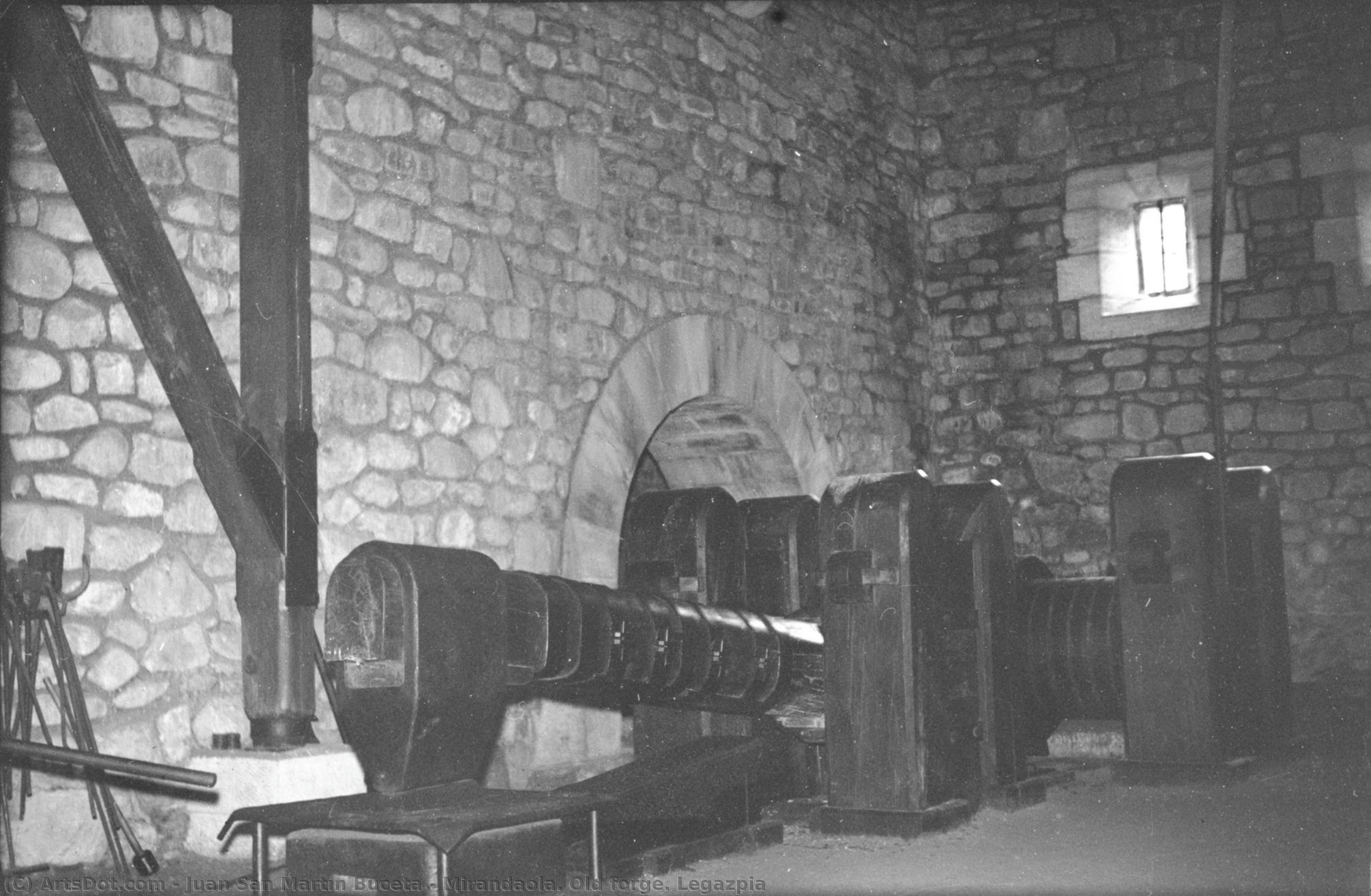
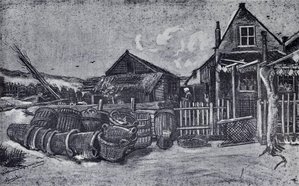
StatsMirandaola. Old forge. Legazpia
 6.0 x 9.0 cm
 Gipuzkoa Heritage Collection Centre
 Read More
Hand Made Oil Reproduction
Hand-painted oil on canvas in your size and frame, made to order by our artists. ( Switch to Print Switch to Digital Image)




































Pick from our preset sizes that match the artwork's original proportions.

You may enter your own dimensions to fit a specific frame or space. If your selected size does not match the original image's proportions, we will either crop the artwork or extend the painting with additional hand-painted elements. A digital mockup will be sent for your approval before production begins.
Please note that the on-screen preview does not reflect the actual cropping or extension. Only the mockup will accurately show the final composition.
While custom sizes are available, we recommend selecting a dimension from the predefined list to preserve the original proportions.
After order, ArtsDot.com team will email client for instructions and provide a mockup preview
Worldwide Delivery () in 3/4 weeks instead of standard 5 weeks. (12 September). No compromise on quality.

Free Worldwide Express Shipping

High-Quality Linen Canvas

Full Shipping Insurance

Customs Tax Refund Guarantee

True Color Matching Guarantee

100-Day Return Policy (Defects Only)

100% Money-Back Guarantee

Bulk Discount Offer
 Glass option is only available in size under 110 CM

Mirandaola. Old forge. Legazpia
Reproduction Medium
Reproduction Size
-


Total Price
$ 263
Related Artworks






Artist Biography
Juan San Martín Buceta: Navigator of Brass and Light
Juan San Martín Buceta, a Spanish artist working primarily in the late 20th century, remains an intriguing figure within the realm of maritime art and instrument making. While biographical details about his life are remarkably sparse – he appears to have deliberately cultivated a degree of anonymity – his singular contribution lies in the creation of exquisitely crafted navigational instruments, most notably the ‘Mariner’s Altitude Quadrant,’ a piece that speaks volumes about his skill, precision, and deep understanding of historical seafaring practices. His work isn't merely replication; it’s an embodiment of the tools that guided explorers and traders across vast oceans for centuries. Buceta’s origins are rooted in Mirandaola, a small town in Spain, where he established a forge – a crucial detail given his later creations. This workshop served as both studio and testament to his dedication to traditional craftsmanship. The exact dates of his birth and death remain elusive, though records suggest he was born around 1922 and passed away in 2005. Despite the lack of extensive documentation, his legacy is secured through the remarkable quality of his instruments and their growing recognition within specialist circles. He seems to have operated largely outside the mainstream art world, focusing instead on a niche market of collectors and enthusiasts fascinated by the history of navigation.The Mariner’s Altitude Quadrant: A Masterpiece of Miniature Engineering
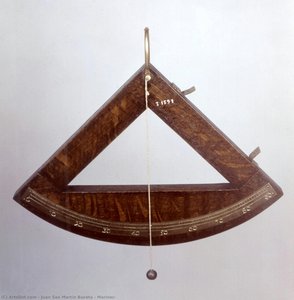
The ‘Mariner’s Altitude Quadrant,’ often referred to simply as “the Mariner,” is undoubtedly Buceta's most celebrated work. Constructed primarily from brass, this small but complex instrument served a vital purpose for sailors – determining altitude and, consequently, latitude at sea. It’s not just a beautiful object; it’s a miniature marvel of engineering. The quadrant itself is meticulously crafted, featuring finely engraved scales and a precisely calibrated sighting mechanism. The intricate details—the delicate pivots, the polished surfaces reflecting light, the subtle markings – demonstrate an extraordinary level of skill and patience. It's believed that Buceta employed techniques reminiscent of 18th-century instrument makers, painstakingly recreating the functionality and aesthetic qualities of these historical tools. The piece’s value lies not only in its technical accuracy but also in its evocative representation of a bygone era of exploration and discovery.Influences and Techniques: Echoes of the Past
Pinpointing Buceta's specific influences is challenging due to the limited biographical information available. However, his work clearly draws upon a deep understanding of historical nautical instruments. The meticulous attention to detail in the ‘Mariner’ suggests an intimate familiarity with the designs and construction methods employed by instrument makers during the Age of Exploration. It’s plausible that he studied original examples held in maritime museums and archives, meticulously recreating their forms and functions. Furthermore, his background as a blacksmith – evident from the name of his workshop – undoubtedly informed his approach to metalworking, providing him with invaluable skills in shaping and finishing brass. The use of traditional techniques—hand-engraving, hand-polishing, and meticulous assembly—underscores his commitment to authenticity and craftsmanship.Beyond the Mariner: A Portfolio of Precision
While the ‘Mariner’s Altitude Quadrant’ is undoubtedly Buceta's most famous creation, he produced a small but significant body of work centered around similar navigational instruments. These include sextants, compasses, and other tools essential for seafaring. Each piece reflects a dedication to accuracy and historical fidelity. His pieces are not simply reproductions; they are interpretations—informed by research and a profound respect for the history of navigation. The materials used – primarily brass, alongside wood and glass – further reinforce this connection to the past. The instruments were often sold through specialist dealers and collectors, suggesting a targeted market rather than widespread public recognition.Historical Significance and Legacy
Juan San Martín Buceta’s work holds a quiet but significant place in the history of maritime art. He represents a rare example of an artist who dedicated his craft to preserving and celebrating the tools that shaped our understanding of the world. His instruments are not merely decorative objects; they are tangible links to a rich and complex past, offering insights into the challenges faced by explorers and traders navigating the oceans. Although he remained largely outside the mainstream art world, Buceta’s legacy endures through his exquisite creations—testaments to the enduring fascination with exploration, precision, and the ingenuity of human craftsmanship. His work serves as a reminder that even in the age of digital navigation, there is value in honoring the tools and techniques that paved the way for our modern understanding of the globe.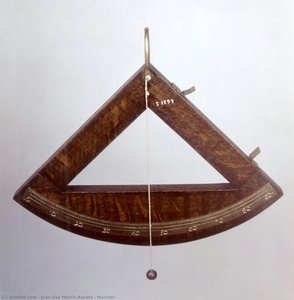
juan san martín buceta
Spain
Quick Facts
- Artistic Movement Or Style: Navigational instruments
- Full Name: Juan San Martín Buceta
- Nationality: Spanish
- Notable Artworks: ["Mariner's altitude quadrant"]
- Place Of Birth: Spain