 Preview
 Send
Send Share
Share
 Details

 Download
 Similars
 X-Ray
X-Ray Diaporama
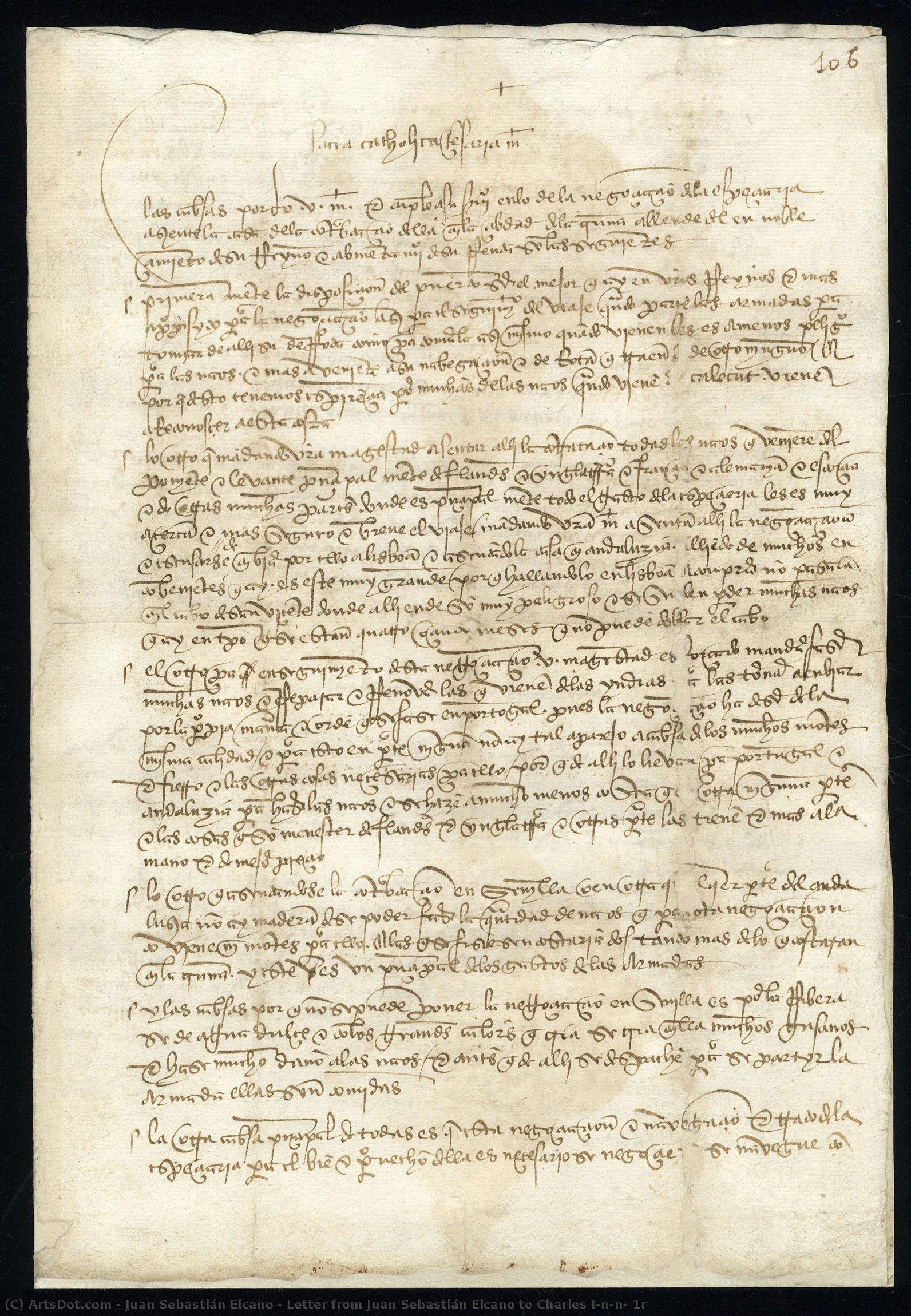
Letter from Juan Sebastián Elcano to Charles I\n\n/ 1r

 Read More
Giclée / Art Print
Museum-quality giclée or canvas print with fast production and flexible finish options. ( Buy Hand Made Painting Buy Image)




































Pick from our preset sizes that match the artwork's original proportions.

You may enter your own dimensions to fit a specific frame or space. If your selected size does not match the original image's proportions, we will either crop the artwork or extend the image with a mirrored or solid-fill edge. A digital mockup will be sent for your approval before production begins.
Please note that the on-screen preview does not reflect the actual cropping or extension. Only the mockup will accurately show the final composition.
While custom sizes are available, we recommend selecting a dimension from the predefined list to preserve the original proportions.
Worldwide Delivery () in 2 weeks instead of standard 4/5 weeks. (4 September)

Free Worldwide Express Shipping

High-Quality Linen Canvas

Full Shipping Insurance

Customs Tax Refund Guarantee

True Color Matching Guarantee

60-Day Return Policy (Defects Only)

100% Money-Back Guarantee

Bulk Discount Offer
 Glass option is only available in size under 110 CM

Letter from Juan Sebastián Elcano to Charles I\n\n/ 1r
Giclée / Art Print
Reproduction Size
-


Total Price
$ 63
Related Artworks









Artist Biography
Juan Sebastián Elcano: The Silent Navigator of a World’s First Journey
Juan Sebastián Elcano (1486/1487 – August 4, 1526) remains a figure shrouded in historical intrigue, a man whose extraordinary contribution to world exploration is often overshadowed by the prominence of his patron, Ferdinand Magellan. Born in Getaria, Spain, into a family deeply rooted in Basque maritime tradition—a lineage tracing back to seafaring ancestry—Elcano’s life was inextricably linked to the ocean from its earliest days. His origins within a prominent merchant and clerical family provided him with a foundation of education and social standing, yet it was his innate adventurous spirit and exceptional navigational skills that ultimately defined his legacy. While Magellan is celebrated as the ‘discoverer’ of the Spice Islands, Elcano's role as the captain who completed the first circumnavigation of the globe aboard the *Victoria* – a feat previously unimaginable – elevates him to a position of profound historical significance. Despite centuries of relative neglect in Spanish historiography, his story deserves renewed attention, revealing a complex and compelling figure whose life reflects both the ambition and brutality of the Age of Discovery.
Early Life and Maritime Beginnings
Elcano’s early years were spent immersed in the world of seafaring. His father, Domingo Sebastián Elcano, was a shipowner involved in trade along the Basque coast, exposing young Juan to the rhythms of the sea and the practicalities of navigation. The family's connection to Getaria, a strategically important port town, further solidified his maritime upbringing. Unlike Magellan, who hailed from Portugal, Elcano’s roots lay firmly within the Spanish crown, specifically Castile. This distinction is crucial; it highlights the complex interplay of national ambitions and individual destinies that shaped the expedition. His family's social standing—rooted in both mercantile activity and clerical influence—provided him with access to education and networks vital for a career at sea. However, Elcano’s early life wasn’t without its challenges. Accounts suggest a somewhat rebellious nature, a tendency towards impulsiveness that would later contribute to the difficulties encountered during the voyage.
The Magellan Expedition: From Navigator to Captain
Elcano's entry into the Magellan expedition in 1519 was initially as a navigator’s assistant. Magellan, seeking a westward route to the Spice Islands (Moluccas), assembled a diverse crew representing various European nations – Spain, Portugal, Italy, and Germany. Elcano quickly distinguished himself through his competence and adaptability, demonstrating an aptitude for celestial navigation and seamanship. However, tragedy struck in 1521 when Magellan was killed during a conflict with the indigenous people of Mactan in the Philippines. With Magellan’s death, the expedition faced immense challenges – dwindling supplies, internal conflicts among the crew, and the daunting task of continuing westward across the Pacific Ocean. It was Elcano's steady hand and strategic thinking that ultimately ensured the survival of the *Victoria* and its remaining crew. He skillfully navigated through treacherous waters, making crucial decisions regarding resource management and maintaining morale amidst hardship.
The Triumph of Circumnavigation: A Silent Hero
Following Magellan’s death, Elcano assumed command of the *Victoria*, a remarkable achievement considering the circumstances. What distinguishes Elcano's accomplishment is not merely completing the circumnavigation but doing so after enduring unimaginable hardship and loss. The journey across the Pacific was particularly brutal, marked by starvation, disease (primarily scurvy), and relentless exposure to the elements. The crew faced numerous setbacks, including mutinies and ship repairs. Yet, Elcano’s leadership remained steadfast, guiding his men through these trials with a quiet determination. Upon returning to Spain in 1522, Elcano was met with a hero's welcome, receiving recognition from King Charles I – symbolized by a coat of arms depicting a globe and the Latin motto “*Primus circumdedisti me*” (You were the first to circumnavigate me). Despite this honor, Elcano’s contribution remained largely understated for centuries, overshadowed by Magellan's more prominent role.
Legacy and Historical Debate
The scarcity of primary sources detailing Elcano’s personal life and motivations has fueled considerable historiographical debate surrounding his character and actions. For much of the 19th century, he was largely ignored by Spanish historians, a reflection of the prevailing attitudes towards Basque identity and maritime exploration at the time. Modern scholarship is beginning to reassess Elcano's role, recognizing the crucial importance of his leadership in completing Magellan’s ambitious voyage. Recent research, including analysis of his signature—a series of gaps between letters suggesting difficulty with penmanship—offers insights into his personality and potential struggles. Furthermore, the establishment of the *Juan Sebastián de Elcano* training ship in Spain serves as a lasting testament to his enduring legacy, embodying the spirit of Basque maritime tradition and the nation’s pioneering role in exploration. The ongoing controversy surrounding his portrayal in film underscores the complexities of interpreting historical narratives and acknowledging the contributions of often-overlooked figures.
Useful Links:
Additional Resources: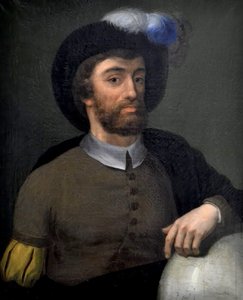
juan sebastián elcano
1486 - 1526 , Spain
Quick Facts
- Artistic Movement Or Style: Exploration, Navigation
- Artists Or Movements Influenced By This Artist: ['Age of Discovery']
- Artists Who Influenced This Artist: ['Ferdinand Magellan']
- Date Of Birth: 1486/1487
- Date Of Death: 1526
- Full Name: Juan Sebastián Elcano
- Nationality: Spanish
- Notable Artworks: ['First circumnavigation']
- Place Of Birth: Getaria, Spain