 Preview
 Send
Send Share
Share
 Details

 Download
 Similars
 X-Ray
X-Ray Diaporama
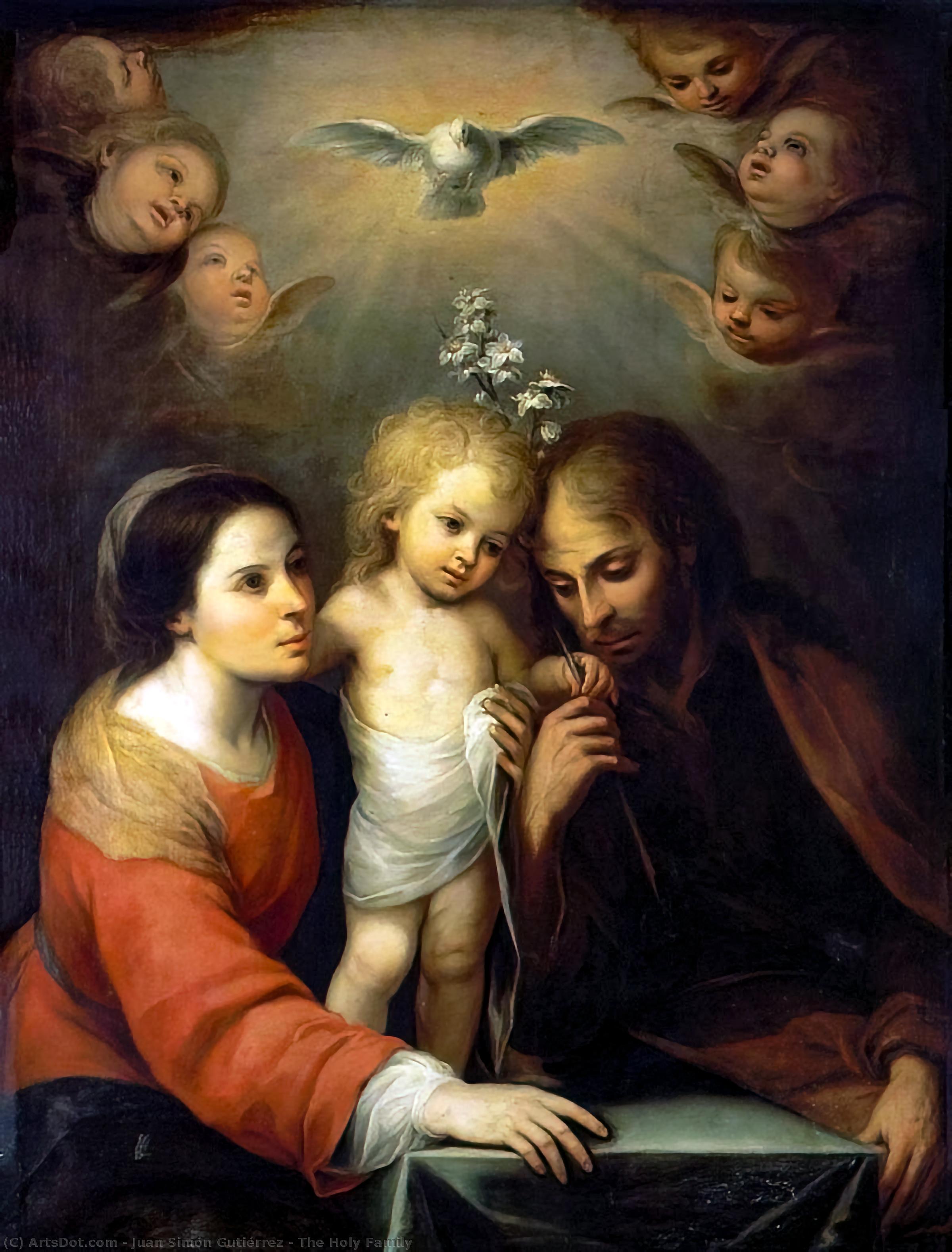
The Holy Family
 126.0 x 96.0 cm
 Read More
Hand Made Oil Reproduction
Hand-painted oil on canvas in your size and frame, made to order by our artists. ( Buy Print Buy Image)




































Pick from our preset sizes that match the artwork's original proportions.

You may enter your own dimensions to fit a specific frame or space. If your selected size does not match the original image's proportions, we will either crop the artwork or extend the painting with additional hand-painted elements. A digital mockup will be sent for your approval before production begins.
Please note that the on-screen preview does not reflect the actual cropping or extension. Only the mockup will accurately show the final composition.
While custom sizes are available, we recommend selecting a dimension from the predefined list to preserve the original proportions.
After order, ArtsDot.com team will email client for instructions and provide a mockup preview
Worldwide Delivery () in 3/4 weeks instead of standard 5 weeks. (17 August). No compromise on quality.

Free Worldwide Express Shipping

High-Quality Linen Canvas

Full Shipping Insurance

Customs Tax Refund Guarantee

True Color Matching Guarantee

60-Day Return Policy (Defects Only)

100% Money-Back Guarantee

Bulk Discount Offer
 Glass option is only available in size under 110 CM

The Holy Family
Reproduction Medium
Reproduction Size
-


Total Price
$ 263
Related Artworks
Artist Biography
A Life Immersed in Sevillian Light: The World of Juan Simón Gutiérrez
Juan Simón Gutiérrez, born in the Andalusian town of Medina-Sidonia in 1634, emerged from a Spain steeped in religious fervor and artistic tradition. While not as widely celebrated as his mentor, Bartolomé Esteban Murillo, Gutiérrez carved a significant niche for himself within the vibrant Baroque art scene of Seville during the latter half of the 17th century. His life unfolded against a backdrop of shifting political landscapes and evolving artistic sensibilities, profoundly shaping his style and subject matter. He wasn’t merely a painter; he was a product of his time—a devout craftsman responding to the demands of both the Church and a growing private clientele seeking devotional imagery for their homes. Gutiérrez's early training remains somewhat shrouded in mystery, but it is unequivocally clear that Seville became his artistic crucible. He enrolled in the Academia de Bellas Artes between 1664 and 1667, coinciding with his marriage—a period suggesting both personal stability and a deepening commitment to his craft. His subsequent appointment in 1680 as examiner of new students at the Academy underscores his growing reputation and standing within the artistic community.The Murillo Influence and the Development of a Personal Style
The most formative influence on Gutiérrez’s development was undoubtedly Bartolomé Esteban Murillo. He absorbed Murillo's luminous palette, his graceful figures, and his ability to imbue religious scenes with an almost palpable sense of tenderness and humanity. However, Gutiérrez wasn’t simply an imitator. While retaining the sweetness and clarity characteristic of Murillo’s work, he developed a distinct personal style—one that often favored a more restrained emotionalism and a meticulous attention to detail. His paintings are marked by a delicate balance between realism and idealism, creating figures that feel both accessible and spiritually elevated. This is particularly evident in his depictions of the Madonna and Child, where he masterfully conveys maternal affection and divine grace. The influence isn’t merely technical; it's a shared sensibility—a desire to connect with viewers on an emotional level through compelling narratives and evocative imagery. He wasn’t striving for dramatic grandeur like some of his contemporaries but rather for quiet contemplation and heartfelt devotion.Religious Scenes and the Patronage of Seville
Gutiérrez primarily focused on religious subjects, reflecting the dominant artistic demands of Counter-Reformation Spain. The Catholic Church actively commissioned art to reinforce its doctrines and inspire piety in a population still reeling from the Protestant Reformation. His paintings often depict scenes from the lives of Christ, the Virgin Mary, and various saints—stories intended to educate, uplift, and reaffirm faith. The *Madonna and Child with Saint Augustine*, dated 1686, stands as perhaps his most celebrated work, housed in the Convent of the Trinity of Carmona. It exemplifies his mastery of composition, color, and emotional nuance. The painting isn’t merely a depiction of a sacred event; it's a carefully constructed meditation on faith, family, and divine love. Beyond commissioned works for churches, Gutiérrez also catered to private patrons—wealthy citizens who sought devotional paintings for their homes. This dual patronage allowed him to explore a range of subjects and styles while maintaining a consistent level of quality and craftsmanship.Technical Mastery and Symbolic Language
Gutiérrez’s technical skill was highly regarded by his contemporaries. He possessed a remarkable ability to render textures, fabrics, and human anatomy with precision and realism. His use of light is particularly noteworthy—soft, diffused illumination that creates a sense of warmth and intimacy. He employed oil on panel as his primary medium, allowing for rich color saturation and subtle gradations of tone. Beyond technical prowess, Gutiérrez’s paintings are imbued with symbolic language readily understood by 17th-century viewers. The use of specific colors—blue representing purity, red symbolizing passion, and gold signifying divinity—was commonplace in religious art of the period. Lilies and roses often appeared as emblems of Mary's virtue, while carpenter tools alluded to Joseph’s trade and his role as a protector. These symbols weren’t merely decorative elements; they were integral components of the narrative, reinforcing theological messages and inviting deeper contemplation.Legacy and Historical Significance
Although Juan Simón Gutiérrez never achieved the widespread fame of Murillo or other Baroque masters, his contribution to Spanish art remains significant. He was a skilled craftsman who faithfully captured the spirit of Sevillian painting during a period of profound religious and artistic change. His paintings offer valuable insights into the devotional practices and aesthetic sensibilities of 17th-century Spain. Only two signed works are definitively attributed to him, making each discovery of his art a significant event for scholars and collectors alike. While research continues to uncover more about his life and oeuvre, it’s clear that Gutiérrez played a vital role in shaping the visual landscape of Seville—a city renowned for its artistic heritage and unwavering devotion. His work serves as a testament to the enduring power of faith, beauty, and craftsmanship.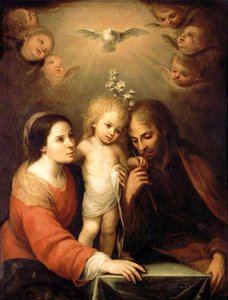
juan simón gutiérrez
1634 - 1718 , Spain
Quick Facts
- Artistic Movement Or Style: Baroque Painting
- Artists Or Movements Influenced By This Artist: ['European Masters']
- Artists Who Influenced This Artist: ['Bartolomé Esteban Murillo']
- Date Of Birth: Medina Sidonia, Spain (1634)
- Date Of Death: 1718
- Full Name: Juan Simón Gutiérrez
- Nationality: Spanish
- Notable Artworks: ['The Holy Family']
- Place Of Birth: Spain