 Preview
 Send
Send Share
Share
 Details

 Download
 Similars
 X-Ray
X-Ray Diaporama
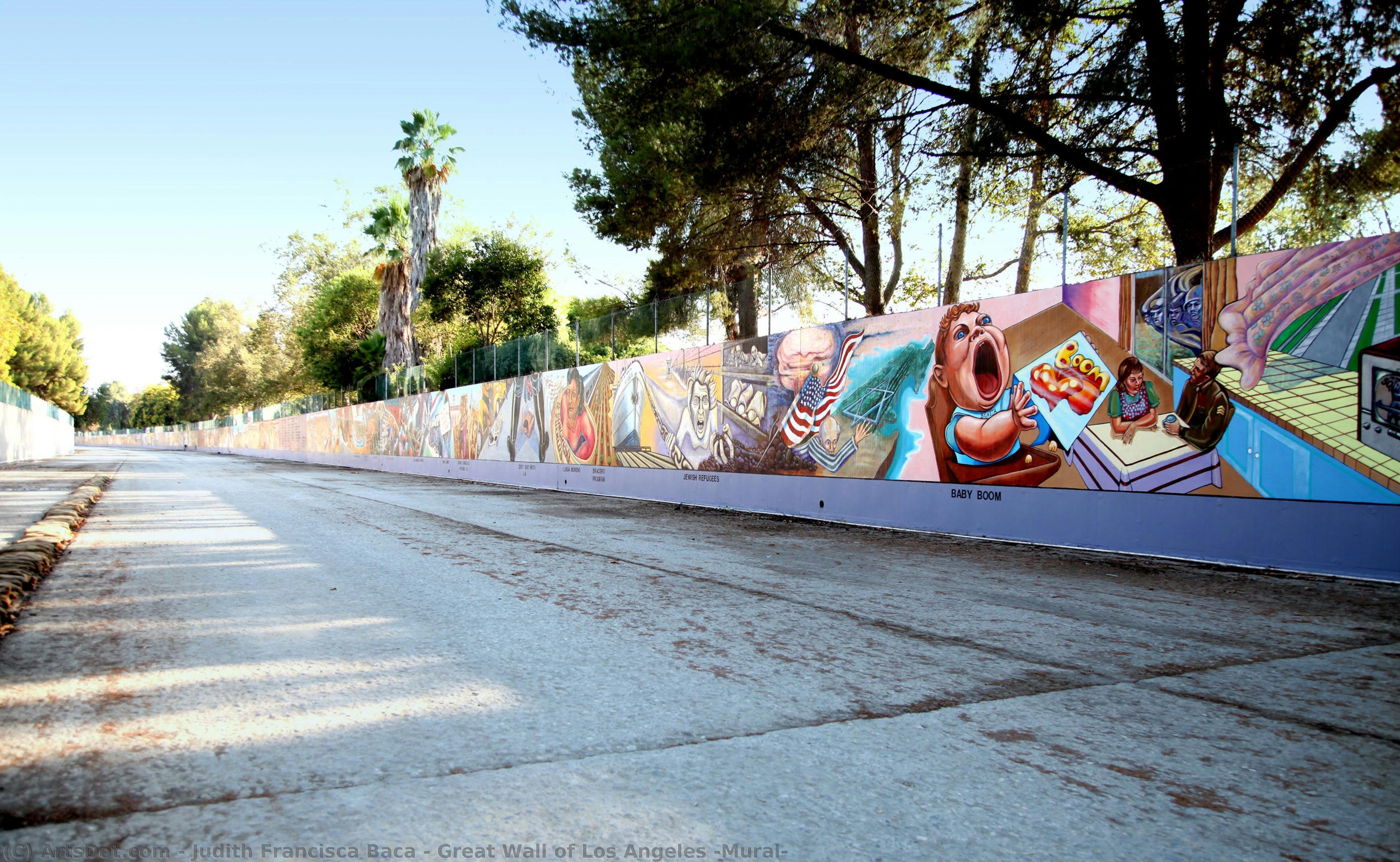
Great Wall of Los Angeles (Mural)


 Read More
Giclée / Art Print
Museum-quality giclée or canvas print with fast production and flexible finish options. ( Buy Hand Made Painting Buy Image)




































Pick from our preset sizes that match the artwork's original proportions.

You may enter your own dimensions to fit a specific frame or space. If your selected size does not match the original image's proportions, we will either crop the artwork or extend the image with a mirrored or solid-fill edge. A digital mockup will be sent for your approval before production begins.
Please note that the on-screen preview does not reflect the actual cropping or extension. Only the mockup will accurately show the final composition.
While custom sizes are available, we recommend selecting a dimension from the predefined list to preserve the original proportions.
Worldwide Delivery () in 2 weeks instead of standard 4/5 weeks. (22 August)

Free Worldwide Express Shipping

High-Quality Linen Canvas

Full Shipping Insurance

Customs Tax Refund Guarantee

True Color Matching Guarantee

60-Day Return Policy (Defects Only)

100% Money-Back Guarantee

Bulk Discount Offer
 Glass option is only available in size under 110 CM

Great Wall of Los Angeles (Mural)
Giclée / Art Print
Reproduction Size
-


Total Price
$ 63
Collectible Description
Related Artworks








Artist Biography
A Life Painted on Walls: The Story of Judy Baca
Judy Francisca Baca, born in 1946 amidst the vibrant yet challenging landscape of Watts, Los Angeles, is more than just a muralist; she’s a cultural architect, an activist whose canvas extends far beyond galleries and into the very fabric of communities. Her life story is inextricably linked to the Chicano civil rights movement, the feminist awakening, and a relentless pursuit of social justice through art. Raised primarily by her mother, aunts, and grandmother in a household steeped in indigenous traditions – her grandmother practiced as a curandera, a traditional healer – Baca’s early experiences instilled within her a deep connection to heritage, resilience, and the power of storytelling. This foundation would become the bedrock of her artistic vision.
Baca's formative years were marked by cultural displacement. Prohibited from speaking Spanish in school, she found solace and expression through painting, a quiet rebellion against assimilation. This early silencing fueled a lifelong commitment to amplifying marginalized voices. Her education at California State University, Northridge, initially focused on fine art but broadened to encompass history, philosophy, and education – a deliberate pursuit of understanding the social contexts that shaped her world. She quickly realized that traditional art spaces felt inaccessible to the communities she cared about, sparking a desire to bring art directly *to* the people.
The Birth of SPARC and the Great Wall
In 1974, Baca co-founded the Social and Public Art Resource Center (SPARC) in Venice, California. This wasn’t merely an artistic collective; it was a revolutionary act – a space dedicated to empowering communities through collaborative mural projects. SPARC became a hub for artists, activists, and local residents, fostering a unique environment where art served as a catalyst for dialogue, healing, and social change. It was within this framework that Baca embarked on her most ambitious undertaking: The Great Wall of Los Angeles.
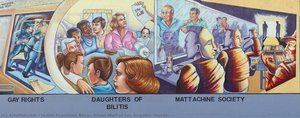
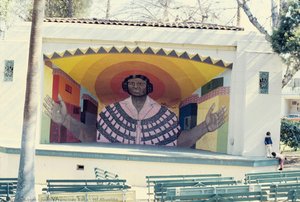
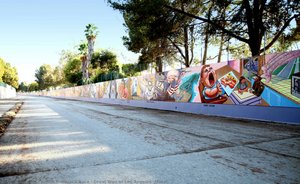
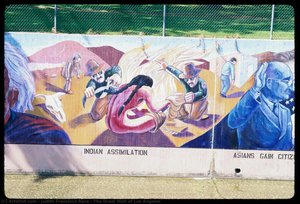
Begun in 1976, The Great Wall of Los Angeles is an epic half-mile-long mural along the Tujunga Wash in the San Fernando Valley. It’s not simply a painting; it's a living history book, meticulously researched and collaboratively created with over 400 youth and community members. The mural depicts California history from pre-Columbian times to the present day, offering a counter-narrative that challenges dominant historical perspectives. It confronts issues of colonialism, cultural displacement, racism, and social injustice with unflinching honesty. The sheer scale of the project is breathtaking, but it’s the deeply personal stories woven into its imagery – oral histories collected from diverse communities – that truly resonate.
Themes and Techniques: A Visual Language of Resistance
Baca's artistic style is characterized by bold lines, vibrant colors, and symbolic imagery. Her murals are not passive depictions; they actively engage with the viewer, demanding attention and prompting reflection. She often incorporates elements of Mexican folk art, pre-Columbian iconography, and feminist symbolism into her work. The use of communal painting processes is central to her practice. Baca believes that the act of creation itself is as important as the finished product, fostering a sense of ownership and collective identity within the communities she serves.
Her subject matter consistently centers on those historically marginalized – women, the working poor, youth, LGBTQ+ individuals, and immigrant communities. She doesn’t shy away from difficult topics; instead, she uses her art to confront systemic inequalities and advocate for social change. Las Vistas Nuevas, an early mural project in Boyle Heights, exemplified this approach, bringing together gang members from rival groups to create a shared vision of community pride.
Legacy and Historical Significance
Judy Baca’s impact extends far beyond the walls she has painted. She is a pioneer in the field of social practice art, demonstrating the transformative power of collaborative creation. Her work has inspired countless artists and activists around the world to use art as a tool for social justice. As an emeritus professor at UCLA, she continues to mentor students and advocate for public art initiatives.
Baca’s legacy is one of unwavering commitment to community empowerment, cultural preservation, and artistic innovation. She has received numerous accolades, including a Guggenheim Fellowship and a USA Rockefeller Fellowship, but her greatest reward lies in the enduring impact of her work on the communities she serves. The Great Wall of Los Angeles, now a protected landmark, stands as a testament to her vision – a powerful reminder that art can be a force for change, a voice for the voiceless, and a bridge between generations.
- Co-founder of SPARC (Social and Public Art Resource Center)
- Director of The Great Wall of Los Angeles, the world’s largest communal mural project
- Pioneering figure in social practice art
- Advocate for Chicano rights, feminist causes, and community empowerment
- Emeritus Professor at UCLA
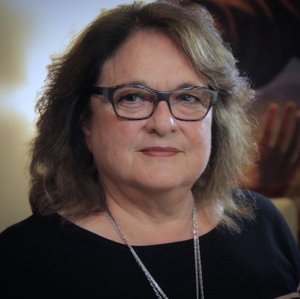
judith francisca baca
1946 - , United States of America
Quick Facts
- Artistic Movement Or Style: Muralism, Public Art
- Date Of Birth: September 20, 1946
- Full Name: Judith Francisca Baca
- Nationality: American
- Notable Artworks: ['The Great Wall of Los Angeles']
- Place Of Birth: Los Angeles, USA