

 Preview
 Send
Send Share
Share
 Details

 Download
 Similars
 X-Ray
X-Ray Diaporama
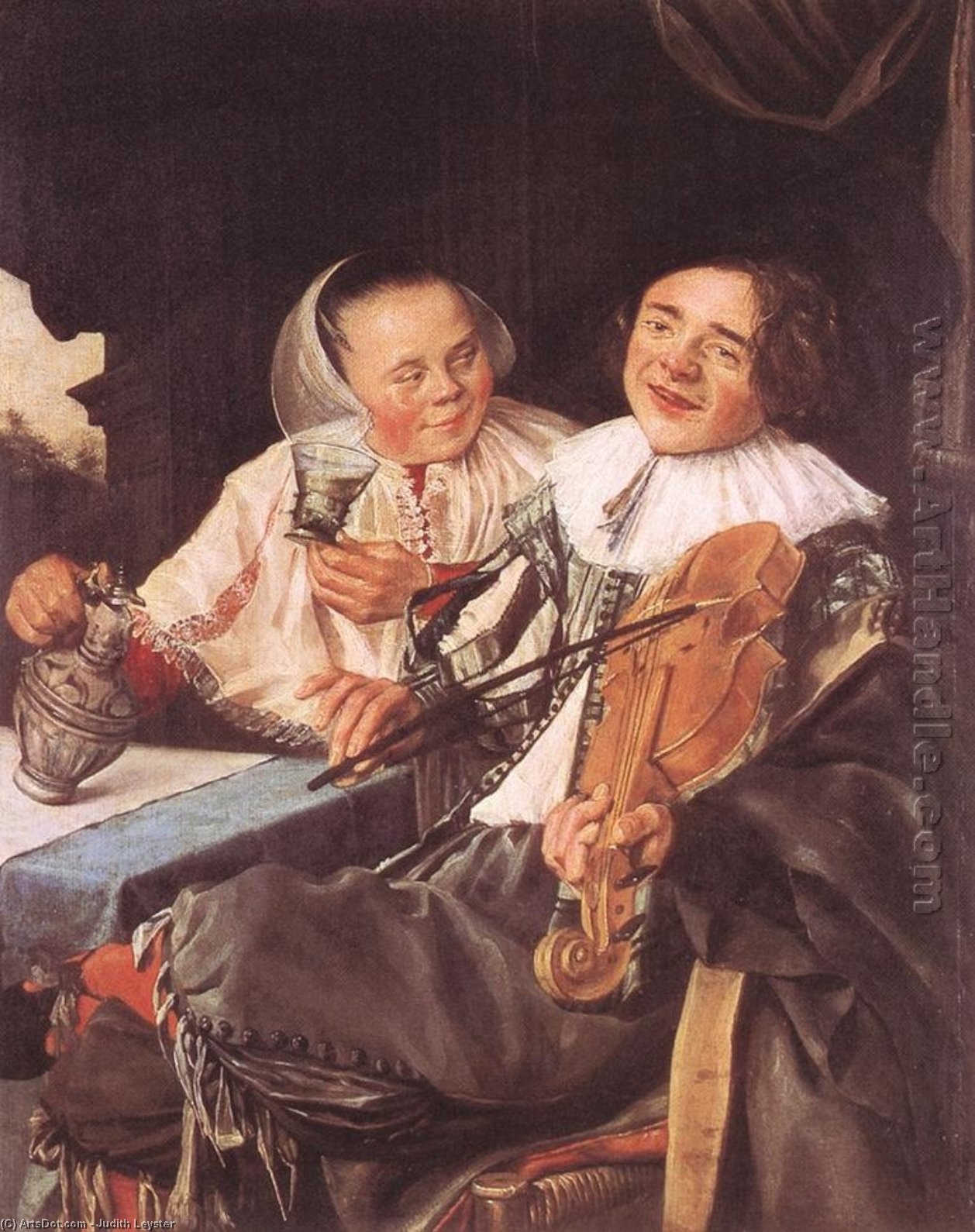
Carousing Couple
 Oil On Panel
- Baroque
 1630
1630- Early Modern
 68.0 x 54.0 cm
 The Louvre
 Read More
Purchase a high-resolution, enhanced digital image, far superior to the online preview.
Each file is meticulously prepared by our in-house specialists using advanced tools and expert manual retouching. We ensure every image has exceptional clarity, precise color accuracy, and fine detail.
The final file is delivered via email within 72 hours, optimized for immediate use in professional, editorial, and print environments. This is the same quality trusted by top-tier design studios, publishers, and galleries.
Digital Image
Download a high-resolution file for personal display, printing, and creative projects. ( Buy Print Buy Hand Made Painting)
Included in Every Digital Image Order
Expert Digital Delivery, Guaranteed
When you choose ArtsDot.com, you're not just getting an image - you're receiving a professionally enhanced digital artwork, crafted with precision and backed by a satisfaction guarantee. Here's everything that comes with your order, automatically:

Fast Email Delivery
Your high-resolution digital image file will be emailed to you within 72 hours of ordering - ready for immediate use.

AI-Enhanced Digital File
Your artwork is professionally optimized using advanced AI tools and manual editing, ensuring maximum detail, clarity, and color accuracy.

Free Lifetime Re-Delivery
Accidentally deleted or lost your file? No worries - we'll resend it to you anytime, free of charge.

No Import Fees - Ever
Enjoy your artwork instantly with zero customs, duties, or delivery fees - digital downloads are always tax-free.

Color Accuracy Guarantee
We ensure your digital image reflects the original colors as closely as possible using professional tools and color management.

60-Day Satisfaction Guarantee
If you're not satisfied with your digital image, we'll revise it or refund 100% within 60 days - no questions asked.

100% Money-Back Guarantee
Not satisfied? Get a full refund within 60 days of receiving your digital file - no questions asked.

Bulk Order Discounts
Buy 3 images, save 10% - Buy 5, save 15% - Buy 10+, save 20%. Great for creative projects, galleries, and agencies.
Collectible Description
Carousing Couple: A Window Into Seventeenth Century Dutch Life
Judith Jans Leyster’s *Carousing Couple*, painted around 1630, isn't merely a depiction of two figures enjoying wine; it’s a masterful snapshot of social dynamics and artistic innovation within the burgeoning Dutch Golden Age. This captivating portrait transcends its formal subject matter to offer a glimpse into the values and aspirations of a period defined by mercantile prosperity and intellectual curiosity.
- Subject Matter: The painting portrays a man holding a violin while his companion drinks from a goblet, creating an intimate scene of conviviality. This choice of subject—a musician and drinker—was deliberate. Musicians were considered symbols of intellect and refinement, representing the humanist ideals that permeated Dutch society at the time. Wine symbolized indulgence and pleasure, reflecting the desire for enjoyment amidst the pressures of daily life.
- Style: Leyster’s style aligns closely with Frans Hals’s approach—a technique known as “Alla Prima,” or “at first sight.” This method eschews meticulous layering of paint, favoring rapid brushwork and capturing fleeting expressions. Hals championed this style, believing it best conveyed the immediacy and vitality of human experience. Leyster adopted this technique to create a dynamic image that captures the essence of her subjects’ personalities.
- Technique: The painting utilizes oil on panel—a common medium for portraiture during the period—allowing for rich colors and subtle gradations. Leyster skillfully employs chiaroscuro, manipulating light and shadow to sculpt the figures and heighten their emotional impact. Notice how the violinist’s face is illuminated by a warm glow, contrasting with the darker background, drawing the viewer's eye directly to his gaze.
- Historical Context: Haarlem in 1630 was at the epicenter of artistic fervor. The city’s wealth fueled patronage from merchants and nobles alike, fostering an environment where artists could experiment and push boundaries. Leyster’s inclusion of a violin player speaks to this cultural preoccupation with music and intellectual pursuits—a reflection of the broader humanist movement that shaped European thought.
- Symbolism: Beyond its depiction of social interaction, *Carousing Couple* carries symbolic weight. The violin represents artistry and sophistication, while the wine symbolizes indulgence and pleasure. Leyster’s careful composition—the diagonal placement of figures—creates a sense of movement and dynamism, mirroring the energy of the era. Furthermore, the inclusion of objects like the goblet and cup reinforces the theme of celebration and enjoyment.
The rediscovery of *Carousing Couple* in 1893 marked a pivotal moment in art history, correcting a longstanding misattribution that had relegated Leyster’s talent to obscurity. Today, reproductions offer an opportunity to appreciate not only the beauty of her artwork but also its profound insight into the spirit of seventeenth-century Holland—a testament to artistic innovation and a celebration of human connection.
Related Artworks
Artist Biography
early life and training
judith jans leyster, a pioneering female painter, was born in july 1609 in haarlem, netherlands. she was the eighth child of jan willemsz leyster, a cloth maker who later became a brewer. while her training is not well-documented, it's believed that she learned painting from frans pietersz de grebber, a respected artist with a workshop in haarlem.artistic career
leyster's first known signed works, serenade and jolly topper, date back to 1629 when she was just twenty years old. by 1633, she became a member of the haarlem guild of st. luke, making her one of the first female artists to be part of this prestigious organization.notable works and collaborations
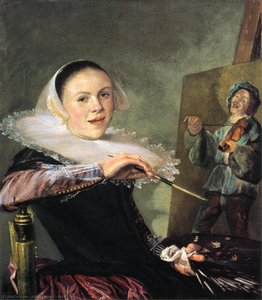
some of leyster's notable works include:- self-portrait (c. 1633), now at the national gallery of art, washington, d.c., which may have been her presentation piece to the guild.
- two illustrations in a book about tulips from 1643, showcasing her versatility.
- a portrait from 1652 and a still life from 1654, discovered in a private collection in the 21st century, demonstrate her enduring skill.
legacy and rediscovery
despite being highly regarded by her contemporaries, leyster's work was largely forgotten after her death in 1660. it wasn't until 1893 that she was rediscovered, and scholars began to correctly attribute her works. today, her paintings are recognized as significant contributions to the dutch golden age.- explore more of leyster's works on ArtsDot.com.
- learn about the dutch golden age and its notable artists at wikipedia.
- discover other female artists from the era on the dutch golden age art movement page.
conclusion
judith jans leyster's trailblazing career as a female painter in the 17th century netherlands has left an indelible mark on art history. her rediscovery and recognition serve as a testament to her enduring talent and the evolving perception of women in the art world. museum name: national gallery of art, washington, d.c.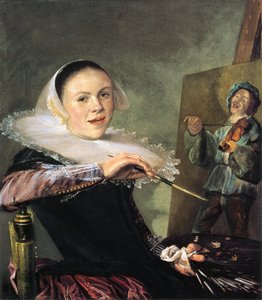
judith jans leyster
1609 - 1660 , Netherlands
Quick Facts
- Artistic Movement Or Style: Dutch Golden Age
- Artists Or Movements Influenced By This Artist: ['Jan Miense Molenaer']
- Artists Who Influenced This Artist: ['Frans Pietersz de Grebber']
- Date Of Birth: July 28, 1609
- Date Of Death: February 10, 1660
- Full Name: Judith Jans Leyster
- Nationality: Dutch
- Notable Artworks:
- Young Flute Player
- Merry Company
- Jolly Toper
- Place Of Birth: Haarlem, Netherlands

