 Preview
 Send
Send Share
Share
 Details

 Download
 Similars
 X-Ray
X-Ray Diaporama
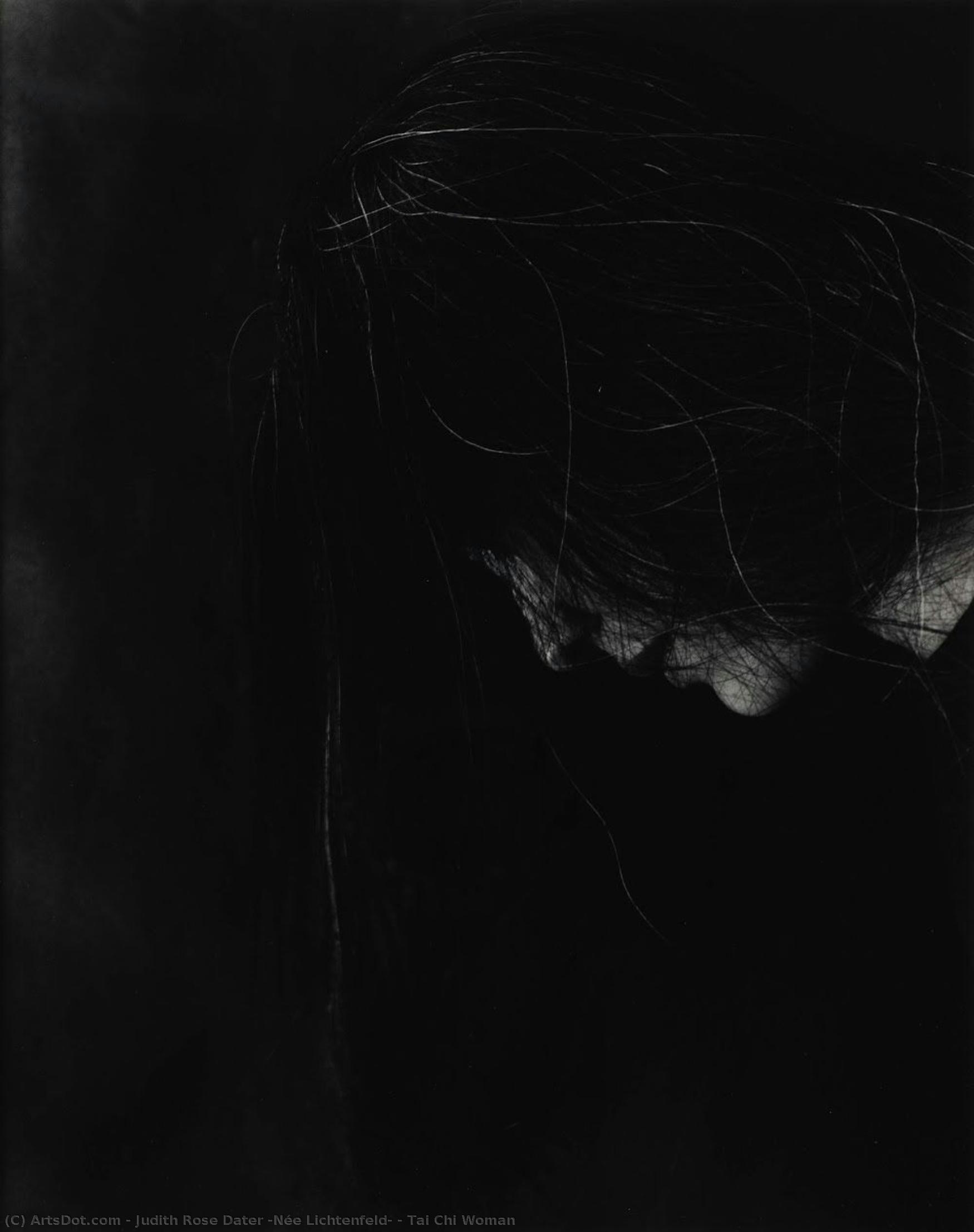
Tai Chi Woman


 Read More
Giclée / Art Print
Museum-quality giclée or canvas print with fast production and flexible finish options. ( Buy Hand Made Painting Buy Image)




































Pick from our preset sizes that match the artwork's original proportions.

You may enter your own dimensions to fit a specific frame or space. If your selected size does not match the original image's proportions, we will either crop the artwork or extend the image with a mirrored or solid-fill edge. A digital mockup will be sent for your approval before production begins.
Please note that the on-screen preview does not reflect the actual cropping or extension. Only the mockup will accurately show the final composition.
While custom sizes are available, we recommend selecting a dimension from the predefined list to preserve the original proportions.
Worldwide Delivery () in 2 weeks instead of standard 4/5 weeks. (25 August)

Free Worldwide Express Shipping

High-Quality Linen Canvas

Full Shipping Insurance

Customs Tax Refund Guarantee

True Color Matching Guarantee

60-Day Return Policy (Defects Only)

100% Money-Back Guarantee

Bulk Discount Offer
 Glass option is only available in size under 110 CM

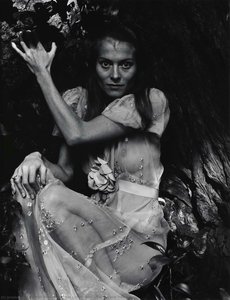
Tai Chi Woman
Giclée / Art Print
Reproduction Size
-


Total Price
$ 63
Related Artworks

Artist Biography
The Cinematic Lens of Identity: The Life and Vision of Judith Rose Dater
Born amidst the flickering lights and cinematic grandeur of Hollywood on June 21, 1941, Judith Rose Dater (née Lichtenfeld) entered a world where visual storytelling was the primary language. Growing up as the daughter of a movie theater owner, the silver screen served as her first prism, shaping a lifelong fascination with how light, shadow, and composition can construct a narrative. This early immersion in the art of the moving image would later manifest in her photography as a profound ability to capture moments that feel both candidly human and cinematically poised. Her journey from the vibrant cultural milieu of Los Angeles to the academic rigor of San Francisco State University laid the foundation for a career dedicated to exploring the complexities of the human condition, particularly through the lens of feminist identity.
Dater’s artistic evolution was deeply intertwined with the legendary figures of the West Coast school of photography. Her time studying under Jack Welpott provided her with technical mastery, but it was her encounter with the pioneering Imogen Cunningham at a workshop in Big Sur that ignited a transformative passion for portraiture. The connection between Dater and Cunningham became more than a mentorship; it was a profound friendship that bridged generations of female visionaries. Influenced by the legacy of Edward and Brett Weston, Dater embraced a humanist approach to her craft, seeking to move beyond mere documentation to find the psychological depth within her subjects. This period of her life was marked by an exploration of how nature and identity intersect, often utilizing the rugged, evocative landscapes of the American West as a stage for human drama.
Feminist Narratives and the Power of the Portrait
At the heart of Dater’s oeuvre is an unwavering commitment to feminist discourse. In the 1970s, a decade defined by social upheaval and the rise of second-wave feminism, she became a vital voice in documenting the female experience. Her collaborative project, Women and Other Visions (1975), stands as a landmark achievement, offering a collective gaze into the perspectives of women artists and photographers. Through her lens, the female form is never merely an object of beauty but a vessel for agency, strength, and introspection. This is perhaps most famously realized in her 1974 masterpiece, Imogen and Twinka at Yosemite. By capturing the elderly Cunningham encountering a youthful nymph in the woods, Dater created a hauntingly beautiful meditation on time, nature, and the continuity of the female spirit—a photograph that would later grace the pages of Life magazine.
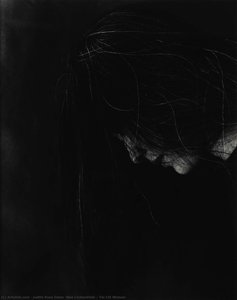
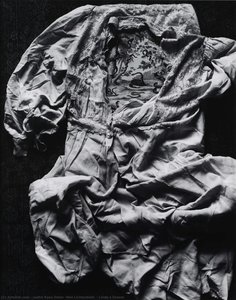
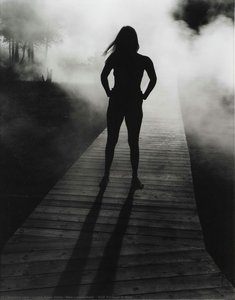
Her work often blurs the lines between the self and the subject, as seen in her evocative Self-Portraiture sequences. In these pieces, Dater utilizes herself as both creator and medium to investigate themes of solitude, mystery, and the fragmented nature of identity. Whether she is capturing the atmospheric realism of a figure lost in the mist or the intricate textures of a draped velvet garment, her technical precision serves an emotional purpose. Her ability to manipulate light and shadow allows her to evoke a sense of "atmospheric realism," where the environment feels as much a character as the person inhabiting it.
Legacy and Historical Significance
The historical significance of Judith Rose Dater lies in her ability to weave personal narrative into the broader tapestry of American photographic history. She did not merely observe the changing social landscape; she actively participated in its documentation, ensuring that feminist perspectives were etched into the permanent record of the medium. Her contributions extend beyond her individual photographs to her role as a chronicler of her contemporaries, notably through her publication Imogen Cunningham: A Portrait, which preserved the voices and stories of the masters of her era.
Throughout her prolific career, Dater has maintained a standard of excellence that has earned her recognition in prestigious institutions, including exhibitions at the Getty Museum. Her body of work remains a vital study in:
- The intersection of landscape and psyche: Using the American West as a mirror for internal human landscapes.
- Feminist iconography: Redefining the female subject through empathy, agency, and strength.
- Visual storytelling: Honoring her cinematic roots by imbuing still images with the tension and drama of film.
As we look back on her decades of contribution, Dater remains a pivotal figure whose work continues to challenge viewers to look deeper into the shadows and find the enduring truth of the human experience.
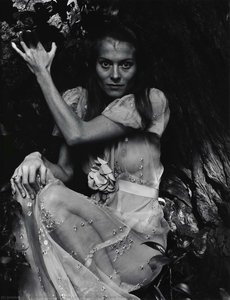
judith rose dater (née lichtenfeld)
1941 - , United States of America
Quick Facts
- Artistic Movement Or Style: Feminist Photography
- Artists Who Influenced This Artist:
- Imogen Cunningham
- Jack Welpott
- Date Of Birth: June 21, 1941
- Full Name: Judy Rose Dater
- Nationality: American
- Notable Artworks:
- Imogen & Twinka at Yosemite
- Tai Chi Woman
- Linda’s Dream
- Self Portrait in Mist
- Place Of Birth: Los Angeles, California