

 Preview
 Send
Send Share
Share
 Details

 Download
 Similars
 X-Ray
X-Ray Diaporama
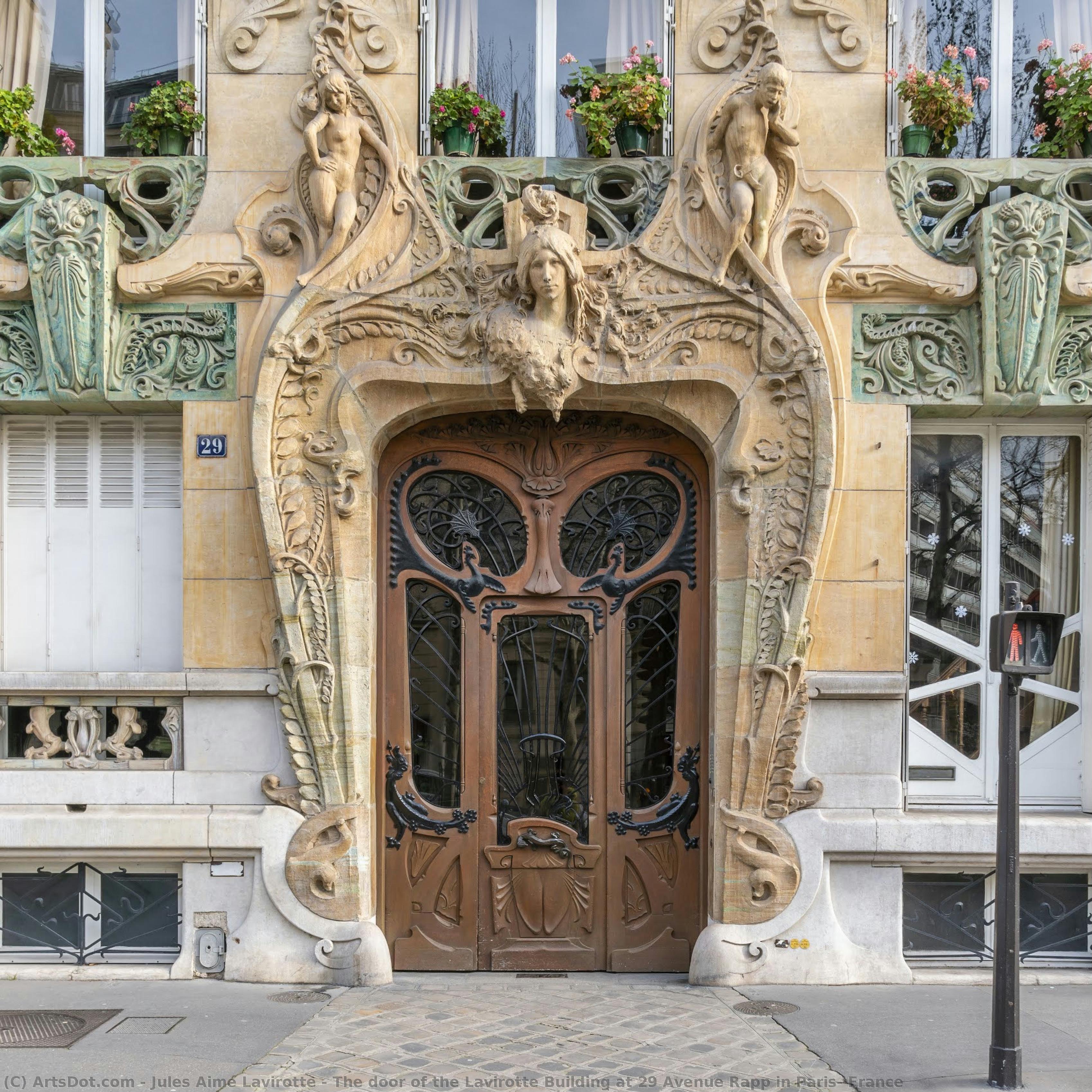
The door of the Lavirotte Building at 29 Avenue Rapp in Paris, France


 Read More
Purchase a high-resolution, enhanced digital image, far superior to the online preview.
Each file is meticulously prepared by our in-house specialists using advanced tools and expert manual retouching. We ensure every image has exceptional clarity, precise color accuracy, and fine detail.
The final file is delivered via email within 72 hours, optimized for immediate use in professional, editorial, and print environments. This is the same quality trusted by top-tier design studios, publishers, and galleries.
Digital Image
Download a high-resolution file for personal display, printing, and creative projects. ( Buy Print Buy Hand Made Painting)
Included in Every Digital Image Order
Expert Digital Delivery, Guaranteed
When you choose ArtsDot.com, you're not just getting an image - you're receiving a professionally enhanced digital artwork, crafted with precision and backed by a satisfaction guarantee. Here's everything that comes with your order, automatically:

Fast Email Delivery
Your high-resolution digital image file will be emailed to you within 72 hours of ordering - ready for immediate use.

AI-Enhanced Digital File
Your artwork is professionally optimized using advanced AI tools and manual editing, ensuring maximum detail, clarity, and color accuracy.

Free Lifetime Re-Delivery
Accidentally deleted or lost your file? No worries - we'll resend it to you anytime, free of charge.

No Import Fees - Ever
Enjoy your artwork instantly with zero customs, duties, or delivery fees - digital downloads are always tax-free.

Color Accuracy Guarantee
We ensure your digital image reflects the original colors as closely as possible using professional tools and color management.

60-Day Satisfaction Guarantee
If you're not satisfied with your digital image, we'll revise it or refund 100% within 60 days - no questions asked.

100% Money-Back Guarantee
Not satisfied? Get a full refund within 60 days of receiving your digital file - no questions asked.

Bulk Order Discounts
Buy 3 images, save 10% - Buy 5, save 15% - Buy 10+, save 20%. Great for creative projects, galleries, and agencies.
A Symphony of Stone and Flowing Lines: Exploring Lavirotte’s Doorway
The Lavirotte Building at 29 Avenue Rapp in Paris stands as a testament to the zenith of Art Nouveau architecture—a breathtaking façade that embodies the movement's core principles of organic beauty and meticulous craftsmanship. Captured in photographic documentation, this monumental doorway isn’t merely an entryway; it’s a sculptural masterpiece meticulously designed by Jules Aimé Lavirotte himself, cementing his legacy as one of Paris’s most celebrated architects.The Essence of Art Nouveau Style
Lavirotte's vision was firmly rooted in the Art Nouveau aesthetic—a deliberate rejection of academic conventions and an embrace of natural forms inspired by botanical illustrations and insect wings. The undulating curves dominate every surface, creating a mesmerizing visual rhythm that draws the eye upwards towards the ornate decorative framework above. These flowing lines aren’t simply stylistic choices; they represent a profound philosophical shift toward valuing fluidity and dynamism—characteristics antithetical to the geometric precision favored in earlier architectural styles.Detailed Technique and Material Palette
The execution of this artwork is remarkable, utilizing skillfully carved limestone and gleaming bronze metalwork to achieve an unparalleled level of textural richness. The sculptor’s meticulous attention to detail is evident in every sculpted floral motif and stylized human figure adorning the doorway. These figures—likely referencing classical ideals or mythological narratives—serve as symbolic anchors within the broader composition, reinforcing the movement's fascination with mythology and humanist values. Furthermore, the muted earth tones of beige, ochre, and pale green contribute to an atmosphere of timeless elegance, reflecting the building’s age and conveying a sense of serene grandeur.Historical Context: A Reaction Against Industrialization
Lavirotte’s creation arose during a period of significant societal transformation—the rapid industrialization of France was challenging established artistic traditions. Art Nouveau emerged as a defiant response to this trend, championing handcrafted artistry and celebrating the sensual pleasures derived from natural beauty. It represented an aspiration for a more harmonious relationship between humanity and nature, mirroring broader cultural anxieties about the dehumanizing effects of urbanization.Emotional Impact: Capturing Parisian Elegance
Looking upon this reproduction evokes a feeling of wonder—a glimpse into a bygone era when architectural design prioritized aesthetic delight over purely functional considerations. The Lavirotte Building’s doorway embodies Art Nouveau's enduring appeal, reminding us that beauty can be found in the most unexpected places and inspiring interior designers to incorporate organic forms and textural richness into their spaces.Related Artworks
Artist Biography
Jules Aimé Lavirotte: The Architect of Parisian Fantasies
Jules Aimé Lavirotte (March 25, 1864 in Lyon – March 1, 1929 in Paris) was a French architect who stands as one of the most prominent figures of the Art Nouveau style. Born into a family steeped in artistic tradition—his father was a sculptor—Lavirotte’s early life instilled within him an appreciation for craftsmanship and imaginative design. He pursued his studies at the École des Beaux-Arts in Lyon under Antoine Georges Louvier, honing his skills before relocating to Paris where he continued his education with Paul Blondel, absorbing the stylistic currents of the era. This formative period cemented Lavirotte’s commitment to pushing artistic boundaries and exploring new expressive possibilities.- Early Career & Influences: Lavirotte's architectural vision was profoundly shaped by the burgeoning Art Nouveau movement, which championed organic forms, flowing lines, and opulent ornamentation—a reaction against the rigid formalism of Neoclassicism. Blondel’s teachings instilled in him a belief that architecture should be more than mere structural necessity; it should aspire to beauty and evoke emotion.
- Collaboration with Alexandre Bigot: Lavirotte's partnership with ceramic manufacturer Alexandre Bigot proved pivotal to his artistic success. Bigot’s innovative techniques for producing glazed earthenware tiles revolutionized façade decoration, allowing Lavirotte to realize breathtaking visions of sculpted surfaces adorned with vibrant colors and intricate patterns. This collaboration exemplifies the spirit of interdisciplinarity that characterized Art Nouveau.
Lavirotte's Iconic Parisian Buildings
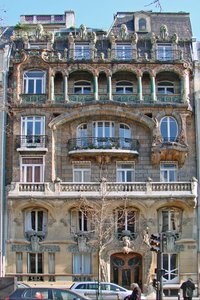
Lavirotte’s architectural legacy rests primarily on his transformative contributions to Paris’s cityscape during the Belle Époque. He achieved renown for creating buildings that defied convention, prioritizing artistic expression over purely functional considerations. Three of Lavirotte’s buildings were awarded prizes in the Paris facade competition, which gave prizes to several buildings each year; The Lavirotte Building (1901), at 29 Avenue Rapp, known for its extravagant sculpted portal; The Ceramic Hotel (1904), 34 Avenue de Wagram, which also featured ceramic decoration by Bigot; and the building at 23 avenue de Messine in the 8th arrondissement (1906-1907). These structures stand as enduring symbols of Art Nouveau’s grandeur and innovation.- The Lavirotte Building: This masterpiece exemplifies Lavirotte's mastery of sculptural detail and glazed ceramic tilework. The portal depicts a fantastical scene featuring mythological figures—a testament to Lavirotte’s fascination with symbolism and storytelling.
- The Ceramic Hotel: Situated on Avenue de Wagram, this hotel showcases Bigot’s pioneering use of ceramic tiles, transforming the façade into a kaleidoscope of color and texture.
- 23 Avenue de Messine: Lavirotte's final major project demonstrates his refined aesthetic sensibilities and meticulous craftsmanship—a harmonious blend of sculptural ornament and elegant proportions.
Awards & Recognition
Lavirotte’s commitment to artistic excellence was formally acknowledged by the City of Paris, which bestowed upon him three prestigious prizes for the most original facades: The Lavirotte Building (1901), The Ceramic Hotel (1904) and The building at 23 avenue de Messine (1907). These accolades underscored the city’s appreciation for innovative architectural designs that elevated the urban landscape. Source:Wikipedia ## Lavirotte's Influence & Legacy Jules Aimé Lavirotte’s influence extended far beyond his own lifetime, shaping the trajectory of Art Nouveau architecture and inspiring subsequent generations of designers. His bold experimentation with sculptural ornamentation and glazed ceramic tilework established new standards for façade decoration—a technique that would become synonymous with the style. Lavirotte's buildings served as visual embodiments of Art Nouveau’s core tenets: organic forms mirroring nature, flowing lines conveying movement, and handcrafted embellishments celebrating artisanal skill. He remains a celebrated figure in architectural history, representing the apex of artistic ambition during the Belle Époque.- Defining Art Nouveau Aesthetics: Lavirotte's buildings solidified Art Nouveau’s visual language—characterized by curvilinear lines, floral motifs, and iridescent ceramic surfaces—establishing it as one of the most recognizable architectural styles of the early 20th century.
- Inspiring Future Architects: Lavirotte’s daring approach to design encouraged architects to prioritize artistic expression alongside structural functionality, fostering a spirit of innovation that continues to resonate within contemporary architecture.
jules aimé lavirotte
1864 - 1929 , France
Quick Facts
- Artistic Movement Or Style: Art Nouveau
- Artists Or Movements Influenced By This Artist: ['Hector Guimard']
- Artists Who Influenced This Artist: ['Paul Blondel']
- Date Of Birth: March 25, 1864
- Date Of Death: March 1, 1929
- Full Name: Jules Aimé Lavirotte
- Nationality: French
- Notable Artworks:
- The door of the Lavirotte Building
- Ceramic Hotel
- Building at 23 Avenue de Messine
- Place Of Birth: Lyon, France

