

 Preview
 Send
Send Share
Share
 Details

 Download
 Similars
 X-Ray
X-Ray Diaporama
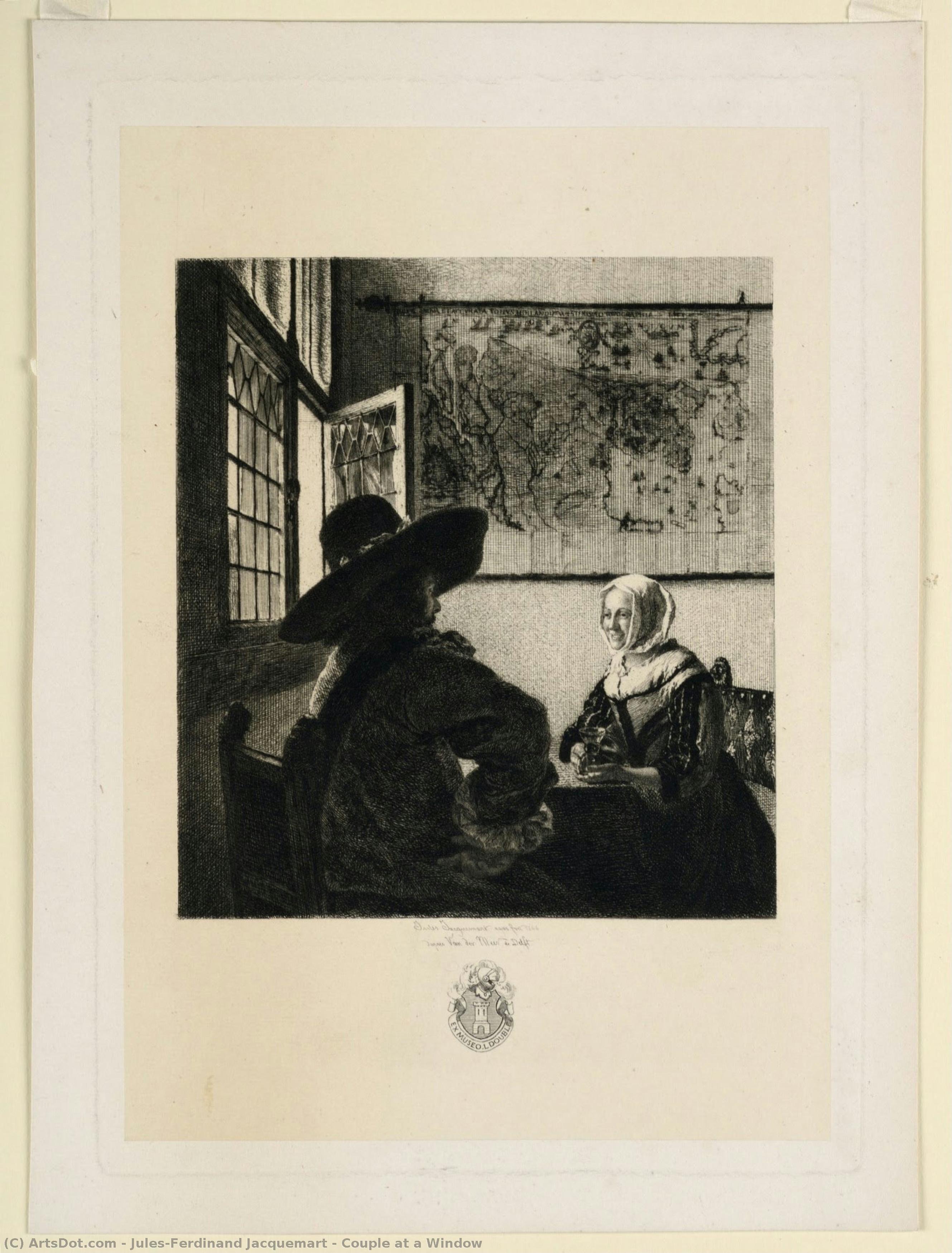
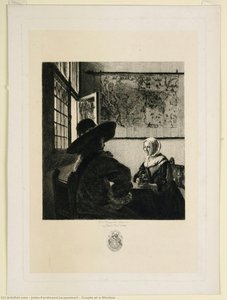
Couple at a Window

 Read More
Hand Made Oil Reproduction
Hand-painted oil on canvas in your size and frame, made to order by our artists. ( Buy Print Buy Image)




































Pick from our preset sizes that match the artwork's original proportions.

You may enter your own dimensions to fit a specific frame or space. If your selected size does not match the original image's proportions, we will either crop the artwork or extend the painting with additional hand-painted elements. A digital mockup will be sent for your approval before production begins.
Please note that the on-screen preview does not reflect the actual cropping or extension. Only the mockup will accurately show the final composition.
While custom sizes are available, we recommend selecting a dimension from the predefined list to preserve the original proportions.
After order, ArtsDot.com team will email client for instructions and provide a mockup preview
Worldwide Delivery () in 3/4 weeks instead of standard 5 weeks. (24 August). No compromise on quality.

Free Worldwide Express Shipping

High-Quality Linen Canvas

Full Shipping Insurance

Customs Tax Refund Guarantee

True Color Matching Guarantee

60-Day Return Policy (Defects Only)

100% Money-Back Guarantee

Bulk Discount Offer
 Glass option is only available in size under 110 CM

Couple at a Window
Reproduction Medium
Reproduction Size
-


Total Price
$ 263
Related Artworks







Artist Biography
The Master of the Etching Revival
Jules-Ferdinand Jacquemart (1837–1880) remains a luminous figure in the annals of nineteenth-century printmaking, a period defined by the vibrant resurgence of the etching needle. Known as a pivotal architect of the Etching Revival, Jacquemart brought a level of technical sophistication to the medium that bridged the gap between classical reproduction and original artistic expression. Born in Paris into a world steeped in aesthetic refinement—the son of the architect Charles-Louis-Fortuné Brunet-Debaines—his early life was an immersion in the very essence of French craftsmanship. This foundational upbringing, characterized by a deep appreciation for form and material, would later manifest in his ability to manipulate light and shadow with unparalleled precision.
His artistic journey began within the hallowed halls of the École des Beaux-Arts, where he sought mastery under the guidance of legendary figures such as Maxime Lalanne. It was during these formative years that Jacquemart developed his signature approach to tonal manipulation. He did not merely seek to replicate an image; he sought to capture its soul through the meticulous application of mezzotint and aquatint. These complex techniques allowed him to achieve a remarkable textural depth, creating prints that possessed a velvety richness and a sense of atmospheric weight. His work was deeply influenced by his lineage; much like his father’s architectural precision and his mother’s reverence for the works of Claude-Marie Dubufe, Jacquemart’s etchings were characterized by an exacting accuracy in tone and a profound sensitivity to the physical qualities of the medium.
A Transatlantic Legacy and Artistic Expansion
As his reputation grew, Jacquemart’s ambitions led him beyond the borders of France, seeking new audiences and collaborative opportunities that would expand his artistic horizon. Around 1870, a transformative period began when he was invited by the influential writer Philip Gilbert Hamerton to contribute original etchings to prestigious publications such as The Portfolio and Etching and Etchers. This move toward London served as a catalyst for his international recognition, placing him at the heart of a burgeoning global community of printmakers. In the bustling art circles of England, he cultivated vital relationships with esteemed critics and fellow artists, including the great Frederic Leighton, fostering a creative dialogue that transcended national boundaries.
The significance of Jacquemart’s work lies in his dual mastery: he was both a brilliant reproducer of Old Masters and an innovator of original compositions. His ability to translate the grandeur of the Renaissance and the dramatic chiaroscuro of the Baroque into the intimate language of etching allowed him to breathe new life into historical masterpieces. Through his needle, the works of the past were made accessible and tactile for a new generation of Victorian collectors. His legacy is not merely found in the prints themselves, but in the way he elevated the status of the printmaker from a mere craftsman to a high artist capable of profound emotional resonance.
Today, we remember Jules-Ferdinand Jacquemart as a virtuoso of the line and tone, an artist whose brief but brilliant career left an indelible mark on the history of European printmaking. His contributions helped define an era where the delicate interplay of ink and paper could evoke the most complex human emotions and the most majestic architectural vistas.
jules-ferdinand jacquemart
1837 - 1880 , France
Quick Facts
- Artistic Movement Or Style: Etching Revival
- Artists Or Movements Influenced By This Artist: ['Georges Duplessis']
- Artists Who Influenced This Artist: ['Claude-Marie Dubufe']
- Date Of Birth: September 8, 1837
- Date Of Death: 1880
- Full Name: Jules Ferdinand Jacquemart
- Nationality: French
- Notable Artworks: ['Couple at a Window']
- Place Of Birth: Paris, France

