 Preview
 Send
Send Share
Share
 Details

 Download
 Similars
 X-Ray
X-Ray Diaporama
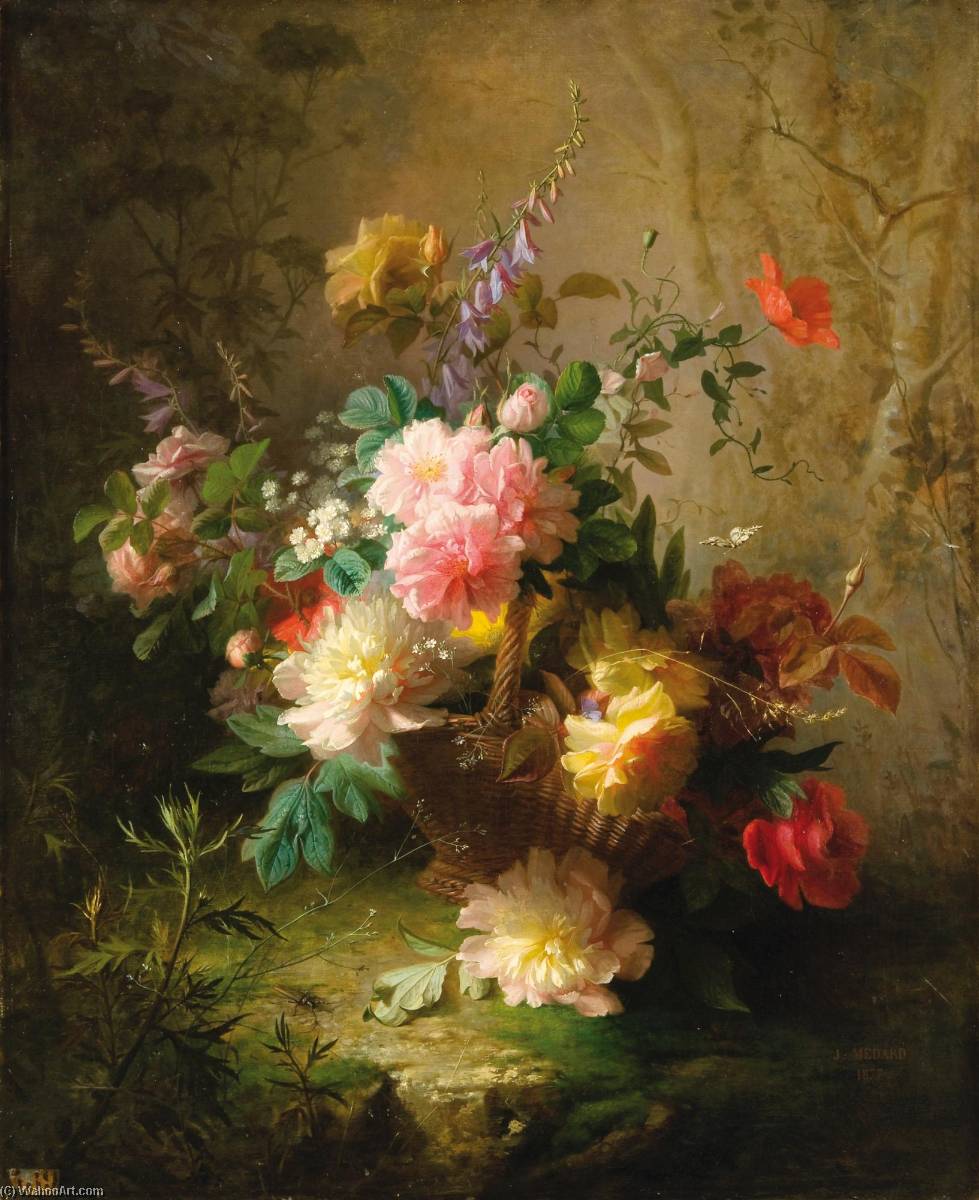
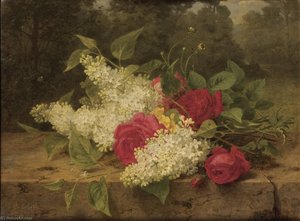
Nature morte aux pivoines
 Read More
Hand Made Oil Reproduction
Hand-painted oil on canvas in your size and frame, made to order by our artists. ( Buy Print Buy Image)




































Pick from our preset sizes that match the artwork's original proportions.

You may enter your own dimensions to fit a specific frame or space. If your selected size does not match the original image's proportions, we will either crop the artwork or extend the painting with additional hand-painted elements. A digital mockup will be sent for your approval before production begins.
Please note that the on-screen preview does not reflect the actual cropping or extension. Only the mockup will accurately show the final composition.
While custom sizes are available, we recommend selecting a dimension from the predefined list to preserve the original proportions.
After order, ArtsDot.com team will email client for instructions and provide a mockup preview
Worldwide Delivery () in 3/4 weeks instead of standard 5 weeks. (26 August). No compromise on quality.

Free Worldwide Express Shipping

High-Quality Linen Canvas

Full Shipping Insurance

Customs Tax Refund Guarantee

True Color Matching Guarantee

60-Day Return Policy (Defects Only)

100% Money-Back Guarantee

Bulk Discount Offer
 Glass option is only available in size under 110 CM

Nature morte aux pivoines
Reproduction Medium
Reproduction Size
-


Total Price
$ 263
Related Artworks









Artist Biography
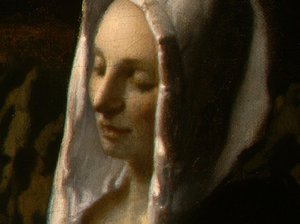
The Enigmatic Vision of Jules Ferdinand Médard
Jules Ferdinand Médard remains a somewhat elusive figure in the pantheon of 19th-century French painting, yet his work possesses a quiet power and distinctive charm that continues to captivate. Born into an era brimming with artistic innovation – the tail end of Neoclassicism giving way to Romanticism, then Realism, and finally the dawn of Impressionism – Médard navigated these shifting currents with a unique sensibility. While not adhering strictly to any single school, he absorbed elements from each, forging a style that is immediately recognizable for its delicate rendering of light, intimate portrayals of everyday life, and a subtle psychological depth in his subjects. Information regarding his early life remains scarce; details are fragmented, pieced together from auction records, salon submissions, and the occasional biographical note. What *is* known suggests a traditional artistic education, likely beginning with academic training focused on drawing and composition before branching into oil painting. This foundation is evident in the meticulous detail of his works, even those that embrace a looser, more atmospheric approach.A Master of Intimate Scenes
Médard’s oeuvre primarily consists of genre scenes – depictions of domestic interiors, portraits, and landscapes imbued with a sense of quiet narrative. He wasn't interested in grand historical events or dramatic allegories; instead, he found beauty and meaning in the commonplace moments of life. His paintings often feature women engaged in everyday activities: reading, sewing, tending to children, or simply lost in thought. These are not idealized representations, but rather sensitive observations of character and mood. The light in his interiors is particularly noteworthy, soft and diffused, creating a warm and inviting atmosphere that draws the viewer into the scene. He skillfully employs chiaroscuro, using subtle gradations of tone to highlight key figures and details while leaving other areas shrouded in shadow. This technique not only enhances the visual appeal of his paintings but also contributes to their psychological depth, suggesting hidden emotions and unspoken stories. His portraits, though less numerous than his genre scenes, share this same sensitivity, capturing not just physical likeness but also a sense of the sitter’s inner life.Influences and Artistic Development
Tracing Médard's influences reveals a complex interplay of artistic traditions. The Dutch Masters – particularly Vermeer and Pieter de Hooch – are readily apparent in his meticulous attention to detail, his use of light, and his focus on domestic interiors. The influence of French Romanticism can be seen in the emotional resonance of his scenes, though Médard avoids the dramatic intensity favored by artists like Delacroix. He also demonstrates an awareness of Realist painters such as Courbet and Millet, particularly in his honest portrayal of everyday life and his rejection of academic artifice. However, Médard never fully embraced the tenets of any single school. Instead, he synthesized these influences into a unique style that is characterized by its delicate balance between realism and idealism, observation and imagination. His work evolved over time, moving from earlier paintings with a more pronounced academic influence to later works that are looser in brushwork and more atmospheric in tone.Recognition and Historical Significance
Throughout his career, Médard exhibited regularly at the prestigious Paris Salons, earning critical acclaim for his skillful technique and sensitive portrayals of everyday life. While he never achieved the widespread fame of some of his contemporaries, he enjoyed a solid reputation among collectors and fellow artists. His paintings were sought after for their quiet beauty and intimate charm.- His work provides valuable insights into the social customs and domestic life of 19th-century France.
- Médard’s sensitive portrayals of women offer a refreshing alternative to the often idealized representations prevalent in academic art.
- He demonstrates a masterful command of light and shadow, creating paintings that are both visually appealing and psychologically compelling.
Quick Facts
- Artistic Movement Or Style: Portrait and Landscape Painting
- Artists Or Movements Influenced By This Artist: ['']
- Artists Who Influenced This Artist: ['']
- Date Of Death: Living
- Full Name: Jules Ferdinand Médard
- Nationality: French
- Notable Artworks: ['']