 Preview
 Send
Send Share
Share
 Details

 Download
 Similars
 X-Ray
X-Ray Diaporama
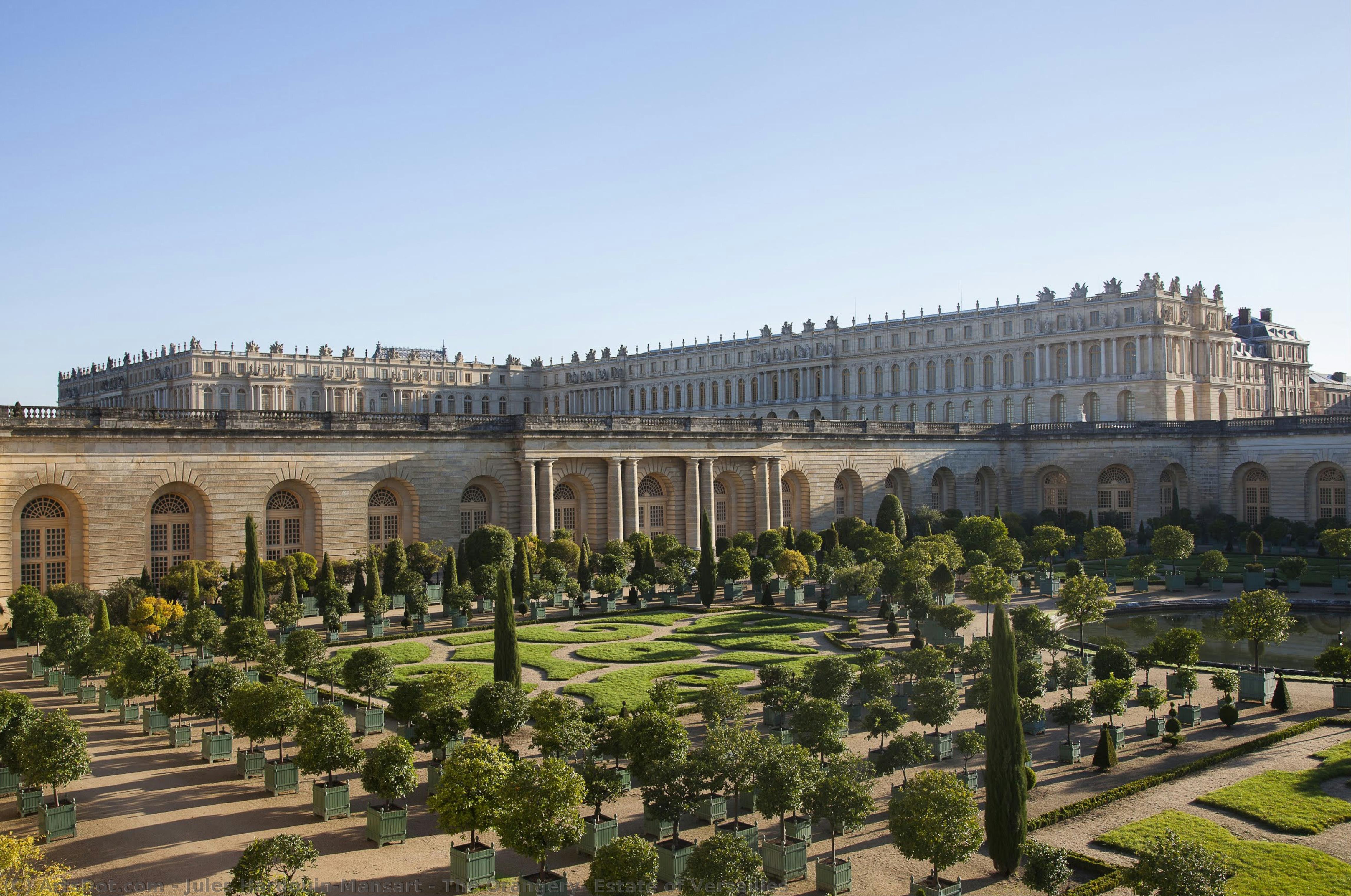
The Orangery, Estate of Versailles

 Read More
Hand Made Oil Reproduction
Hand-painted oil on canvas in your size and frame, made to order by our artists. ( Buy Print Buy Image)




































Pick from our preset sizes that match the artwork's original proportions.

You may enter your own dimensions to fit a specific frame or space. If your selected size does not match the original image's proportions, we will either crop the artwork or extend the painting with additional hand-painted elements. A digital mockup will be sent for your approval before production begins.
Please note that the on-screen preview does not reflect the actual cropping or extension. Only the mockup will accurately show the final composition.
While custom sizes are available, we recommend selecting a dimension from the predefined list to preserve the original proportions.
After order, ArtsDot.com team will email client for instructions and provide a mockup preview
Worldwide Delivery () in 3/4 weeks instead of standard 5 weeks. (2 September). No compromise on quality.

Free Worldwide Express Shipping

High-Quality Linen Canvas

Full Shipping Insurance

Customs Tax Refund Guarantee

True Color Matching Guarantee

60-Day Return Policy (Defects Only)

100% Money-Back Guarantee

Bulk Discount Offer
 Glass option is only available in size under 110 CM

The Orangery, Estate of Versailles
Reproduction Medium
Reproduction Size
-


Total Price
$ 263
Related Artworks








Artist Biography
The Architect of Royal Grandeur: Jules Hardouin-Mansart
Jules Hardouin-Mansart, born in Paris in 1646, was more than just an architect; he was the embodiment of French Baroque ambition and a master craftsman of royal spectacle. His name became synonymous with the opulent reign of Louis XIV, forever linked to the glittering halls and meticulously planned gardens that defined the Sun King’s court at Versailles. Though born into a family already steeped in architectural tradition—his great-uncle was the celebrated François Mansart—Jules wasn't merely an heir to a legacy but a dynamic innovator who reshaped French classicism, blending it with a sense of theatrical grandeur previously unseen. He inherited not only his great-uncle’s collection of plans and drawings but also the prestigious “Mansart” name, adding it to his own in 1668 as a mark of distinction and aspiration.- Early Career & Royal Patronage: Hardouin began his professional life as an entrepreneur in building construction alongside his brother Michel, but quickly recognized the allure—and power—of dedicating himself solely to architecture. A pivotal moment arrived in 1674 when he secured commissions from Madame de Montespan, Louis XIV’s influential mistress. This initial success wasn't simply due to talent; Hardouin possessed a rare diplomatic skill, navigating the complex currents of courtly life with finesse. He cultivated relationships with key figures like François-Michel le Tellier, Marquis de Louvois, the powerful Minister of War, securing their support and opening doors to increasingly significant projects.
- Versailles: A Monumental Transformation: The Palace of Versailles became Hardouin-Mansart’s defining canvas. Beginning in 1677, he embarked on a decades-long endeavor to expand and transform the royal residence into an unparalleled symbol of power and prestige. He wasn't simply adding structures; he was crafting an entire world—a meticulously planned landscape of halls, gardens, pavilions, and courtyards designed to overwhelm and inspire awe. His ability to manage these enormous projects, coordinating countless artisans and designers, proved crucial to his success.
A Synthesis of Classicism & Spectacle
Hardouin-Mansart’s architectural style is often described as Louis XIV classicism, but this label only hints at the complexity of his vision. He possessed a remarkable ability to adapt and innovate, seamlessly blending classical principles with elements of Baroque drama. His designs weren't rigid imitations of ancient forms; they were dynamic reinterpretations infused with a distinctly French sensibility. He excelled in creating structures that served both practical purposes and symbolic functions—churches that inspired religious devotion, palaces that projected royal authority, and urban squares that showcased the power and order of the state. The Place des Victoires (1684-1690) and Place Vendôme (1690), for example, weren’t merely public spaces but carefully orchestrated displays of Louis XIV's dominance. He demonstrated a unique talent for rehabilitating existing buildings, skillfully enlarging and modifying them without sacrificing their original character—a skill particularly evident in his work at Versailles.- Key Works & Innovations: Beyond Versailles, Hardouin-Mansart’s portfolio included the Place des Victoires, a grand urban square designed to celebrate Louis XIV's military victories; the Place Vendôme, an elegant public space that became a symbol of Parisian sophistication; and the domed chapel of Les Invalides (1690), a poignant tribute to veterans of the King’s armies. However, perhaps his most enduring legacy lies in the Grand Trianon, a smaller palace within the Versailles estate—a masterpiece of Rococo wood panelling and refined elegance.
- The Art of Collaboration: Hardouin-Mansart wasn't a solitary genius; he understood the power of collaboration. He surrounded himself with talented artists and craftsmen, delegating tasks and fostering a spirit of innovation within his team. Robert de Cotte, who would become his chosen successor, was among his most trusted collaborators, contributing significantly to the development of the Louis XIV style.
The Intendant & The Count
Hardouin-Mansart’s rise through the ranks of royal service mirrored his architectural achievements. In 1678 he became director of work at Versailles and First Architect of the King in 1681, a testament to his growing influence and prestige. His nobility was recognized in 1682, solidifying his position within the French aristocracy. He wasn’t merely designing buildings; he was managing budgets, negotiating contracts, and overseeing vast teams of laborers—a complex undertaking that required both artistic vision and administrative acumen. He became intendant of the King in 1685, and royal inspector-general of buildings in 1691, eventually replacing Villacerf as superintendent of buildings in 1699. His ability to balance creative ambition with practical constraints earned him the respect of both his patrons and his peers. In 1702, he was bestowed with the title of Count of Sagonne—a fitting recognition for a man who had so profoundly shaped the landscape of French power. He died six months later at the royal Château de Marly, leaving behind a legacy that would continue to inspire generations of architects. His monumental work was designed to glorify the reign of Louis XIV.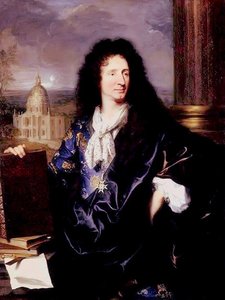
jules hardouin-mansart
1646 - 1708 , France
Quick Facts
- Artistic Movement Or Style: Baroque & Rococo
- Artists Or Movements Influenced By This Artist: French Classicism
- Artists Who Influenced This Artist: ['François Mansart']
- Date Of Birth: April 16, 1646
- Date Of Death: May 11, 1708
- Full Name: Jules Hardouin-Mansart
- Nationality: French
- Notable Artworks:
- Place des Victoires
- Place Vendôme
- Les Invalides dome
- Grand Trianon
- Place Of Birth: Paris, France