 Preview
 Send
Send Share
Share
 Details

 Download
 Similars
 X-Ray
X-Ray Diaporama
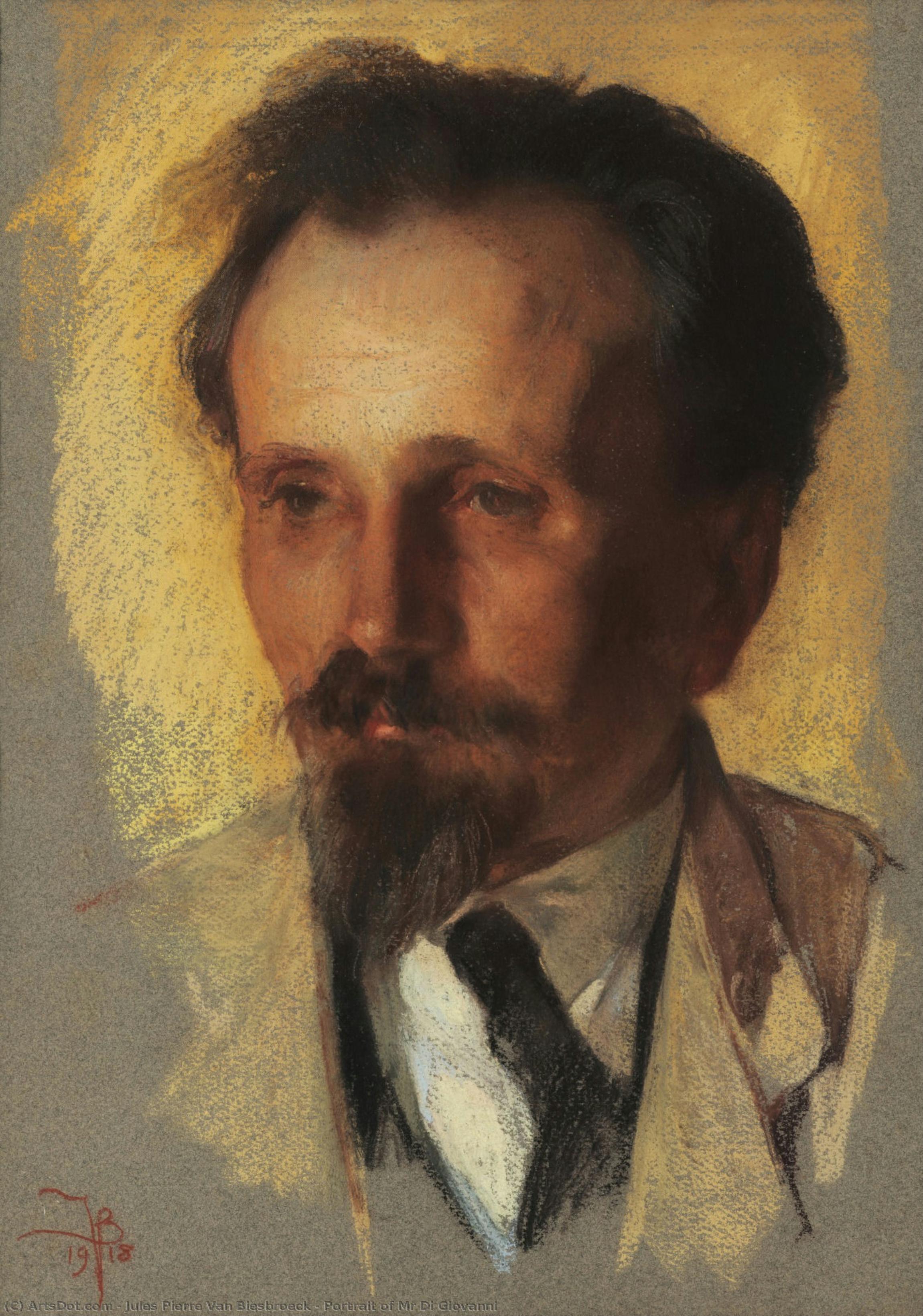
Portrait of Mr Di Giovanni
 42.0 x 30.0 cm
 Read More
Hand Made Oil Reproduction
Hand-painted oil on canvas in your size and frame, made to order by our artists. ( Buy Print Buy Image)




































Pick from our preset sizes that match the artwork's original proportions.

You may enter your own dimensions to fit a specific frame or space. If your selected size does not match the original image's proportions, we will either crop the artwork or extend the painting with additional hand-painted elements. A digital mockup will be sent for your approval before production begins.
Please note that the on-screen preview does not reflect the actual cropping or extension. Only the mockup will accurately show the final composition.
While custom sizes are available, we recommend selecting a dimension from the predefined list to preserve the original proportions.
After order, ArtsDot.com team will email client for instructions and provide a mockup preview
Worldwide Delivery () in 3/4 weeks instead of standard 5 weeks. (25 August). No compromise on quality.

Free Worldwide Express Shipping

High-Quality Linen Canvas

Full Shipping Insurance

Customs Tax Refund Guarantee

True Color Matching Guarantee

60-Day Return Policy (Defects Only)

100% Money-Back Guarantee

Bulk Discount Offer
 Glass option is only available in size under 110 CM

Portrait of Mr Di Giovanni
Reproduction Medium
Reproduction Size
-


Total Price
$ 263
Related Artworks










Artist Biography
A Life Bridging Tradition and the Exotic: Jules Pierre van Biesbroeck
Jules Pierre van Biesbroeck, born in 1873 in the sun-drenched Italian port city of Portici, embarked on a journey that would see him navigate the currents of late 19th and early 20th-century art. The son of Belgian painter Jules Evarist van Biesbroeck, his artistic lineage was established from the outset. However, young Jules’s formative years were not solely defined by familial influence; they were shaped by a cosmopolitan upbringing that instilled in him a sensitivity to light, color, and atmosphere—qualities that would become hallmarks of his distinctive style. Returning with his family to Ghent at the age of two, he received early training from his father before formally enrolling at the Academy of Fine Arts in Ghent, where he honed skills in both painting and sculpture. Even as a youth, van Biesbroeck demonstrated remarkable precocity, selling his first work, *The Shepherd*, at just fourteen years old during the Triennial Exhibition in Ghent—a testament to an innate talent that promised great things. This early success was quickly followed by a bold debut on the Parisian art scene in 1888 with *The Launch of the Argo*, a monumental canvas that initially faced censorship due to its depiction of nude figures, yet ultimately garnered attention and praise for its ambition and execution.From Academic Foundations to North African Light
Van Biesbroeck’s early career was characterized by a dual pursuit of painting and sculpture, achieving recognition in both disciplines. He secured commissions for public monuments in Ghent and competed successfully in prestigious events like the Belgian Prix de Rome, placing second in sculpture in 1897. These achievements firmly established him within the academic art world of his time. However, the trajectory of his artistic development was profoundly altered by the upheaval of World War I. Forced to flee Belgium following the German invasion, he sought refuge in Bordighera, Italy, where he continued to create while also offering art lessons. This period marked a turning point, leading to an exploration of new subjects and techniques. The true catalyst for transformation, however, came with his travels to North Africa beginning in 1926. He was captivated by Algeria, eventually residing there from 1929 to 1938. It was within the vibrant tapestry of Algerian life that van Biesbroeck discovered a new artistic voice. The intense light and exotic atmosphere profoundly influenced his palette, leading him to embrace brighter hues and focus on scenes of everyday existence in the Maghreb. His studio, “La Volière,” became a well-known hub for artists and locals alike.Impressionistic Sensibilities and Orientalist Visions
Van Biesbroeck’s artistic style is best understood as a synthesis of Impressionistic principles and Orientalist themes. He possessed a keen eye for capturing the fleeting effects of light and color, reminiscent of artists like Pierre-Auguste Renoir and Paul Cézanne. However, unlike his purely Impressionistic counterparts, van Biesbroeck infused his work with a narrative quality derived from his fascination with North African culture. His paintings depict scenes of daily life—markets, street corners, intimate domestic moments—rendered with a vibrant palette and a sensitivity to the textures and patterns of Algerian society. While firmly rooted in observation, his work also reveals a touch of Symbolism, particularly in his earlier pieces, and a humanitarian concern evident in his sculptural works. He wasn’t merely documenting; he was interpreting, imbuing his subjects with dignity and grace. His Orientalist paintings are not simply exotic depictions but rather thoughtful explorations of human experience within a different cultural context.Legacy and Lasting Influence
Upon returning to Ghent, van Biesbroeck continued to paint orientalist subjects until his death in 1965, leaving behind a rich body of work that offers valuable insights into both late 19th-century academic art and early 20th-century Orientalism. Notable paintings include *The Launch of the Argo*, which announced his arrival on the art scene, and numerous canvases created during his Algerian period depicting scenes from Bou-Saada and portraits like *Portrait of Mr Di Giovanni*. His sculptural contributions, such as *The People Mourn Him*—a funerary monument to Jean Volders—demonstrate a commitment to social commentary. Throughout his career, van Biesbroeck exhibited widely throughout Europe, including at the Venice Biennale and the Universal Exhibition in Paris, receiving numerous accolades along the way. Today, Jules Pierre van Biesbroeck’s work stands as a testament to an artist who successfully bridged artistic traditions while embracing new influences, offering viewers a glimpse into a world both familiar and exotic—a world illuminated by his unique vision and masterful technique.Resources for Further Exploration
- ArtsDot: https://ArtsDot.com/@/julespierrevanbiesbroeck
- Wikipedia: https://en.wikipedia.org/wiki/Jules_Pierre_van_Biesbroeck
- Musée Baron Gérard (France): A valuable resource for learning about Van Biesbroeck’s work and the art of his time.
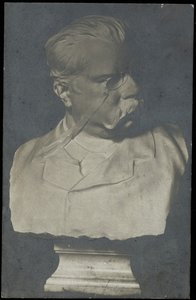
Jules Pierre van Biesbroeck
1873 - 1965 , Italy
Quick Facts
- Artistic Movement Or Style: Impressionism, Orientalism
- Artists Who Influenced This Artist:
- Pierre-Auguste Renoir
- Paul Cézanne
- Date Of Birth: October 25, 1873
- Date Of Death: January 27, 1965
- Full Name: Jules Pierre van Biesbroeck
- Nationality: Belgian
- Notable Artworks:
- The Launch of the Argo
- Le Pâtre (The Shepherd)
- Portrait of Mr Di Giovanni
- Place Of Birth: Portici, Italy