 Preview
 Send
Send Share
Share
 Details

 Download
 Similars
 X-Ray
X-Ray Diaporama
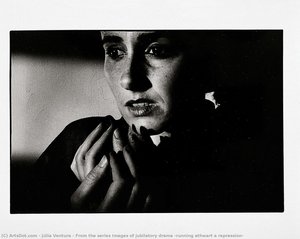
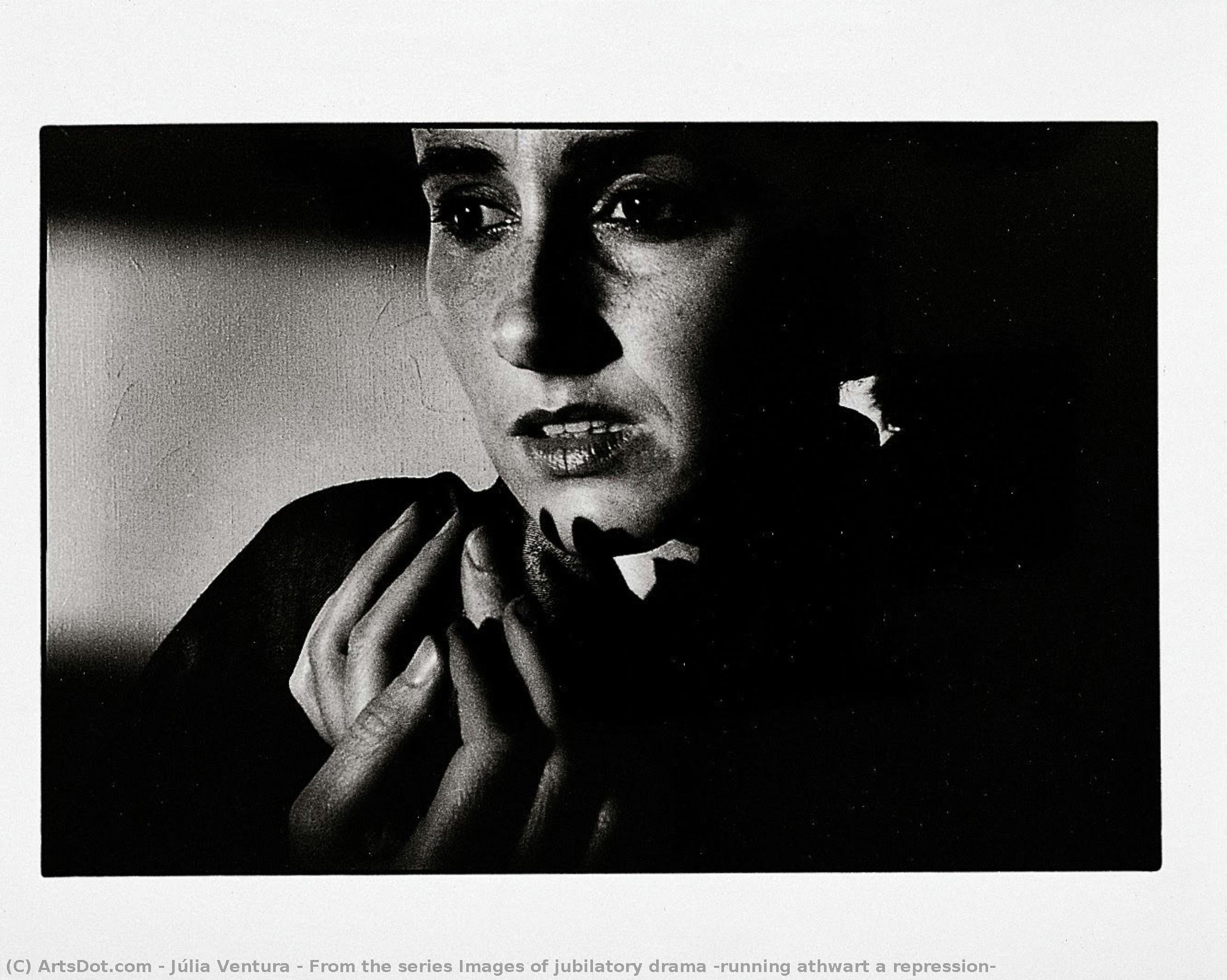
From the series Images of jubilatory drama (running athwart a repression)


 Read More
Giclée / Art Print
Museum-quality giclée or canvas print with fast production and flexible finish options. ( Buy Hand Made Painting Buy Image)




































Pick from our preset sizes that match the artwork's original proportions.

You may enter your own dimensions to fit a specific frame or space. If your selected size does not match the original image's proportions, we will either crop the artwork or extend the image with a mirrored or solid-fill edge. A digital mockup will be sent for your approval before production begins.
Please note that the on-screen preview does not reflect the actual cropping or extension. Only the mockup will accurately show the final composition.
While custom sizes are available, we recommend selecting a dimension from the predefined list to preserve the original proportions.
Worldwide Delivery () in 2 weeks instead of standard 4/5 weeks. (3 September)

Free Worldwide Express Shipping

High-Quality Linen Canvas

Full Shipping Insurance

Customs Tax Refund Guarantee

True Color Matching Guarantee

60-Day Return Policy (Defects Only)

100% Money-Back Guarantee

Bulk Discount Offer
 Glass option is only available in size under 110 CM

From the series Images of jubilatory drama (running athwart a repression)
Giclée / Art Print
Reproduction Size
-


Total Price
$ 63
Related Artworks
![[julia Jackson] — Julia Margaret Cameron, Victorian Photography](/media/artworks/images-thumb/38/f1/38f1667da1e9e5ced766b2acd175f4c6.jpg)
Artist Biography
Júlia Ventura: A Portrait of Identity and Sensuality
Born in Lisbon, Portugal, in 1952, Júlia Ventura’s artistic journey is one defined by a relentless exploration of the self – not as a fixed entity, but as a fluid, ever-shifting landscape shaped by memory, emotion, and representation. From her early studies in painting at the Faculty of Fine Arts of Lisbon to her current practice encompassing photography, sculpture, installation art, and video, Ventura has consistently challenged conventional notions of identity and explored the complex interplay between the visible and the unseen.
Ventura’s formative years were marked by a growing interest in the power of image. Initially drawn to painting, she soon discovered the photographic medium as a potent tool for capturing fleeting moments and constructing narratives. This shift wasn't merely stylistic; it represented a deeper engagement with the act of seeing and being seen – a core theme that would permeate much of her subsequent work. Her early photographs often featured self-portraits, imbued with a palpable sense of vulnerability and introspection. These weren’t simply images of herself, but carefully constructed performances designed to evoke specific emotions and invite viewers into a dialogue about the nature of identity.
The Language of Mixed Media
Ventura's artistic style is characterized by its remarkable eclecticism – a deliberate blurring of boundaries between mediums. She doesn’t adhere to a single technique or approach, instead weaving together photography, painting, sculpture, installation, and video into richly layered compositions. This hybridity reflects her broader philosophical stance: identity isn’t defined by a singular mode of expression but emerges from the convergence of diverse experiences and perspectives.
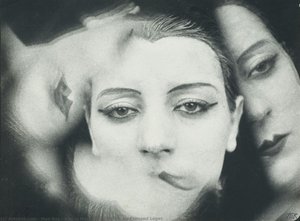
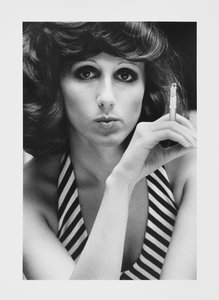
A key element of her work is the incorporation of found objects and unconventional materials. In pieces like “Images of jubilatory drama (running athwart a repression),” Ventura utilizes stark black-and-white photography to depict fragmented figures, often rendered anonymous or partially obscured. These images aren’t simply portraits; they are evocative fragments of stories – glimpses into lives lived, emotions felt, and experiences remembered. The use of dramatic lighting and carefully considered composition amplifies the emotional impact, creating a sense of both intimacy and detachment.
Themes of Identity and Representation
At the heart of Ventura’s oeuvre lies a profound investigation into the complexities of identity – not as a fixed attribute but as a constantly negotiated construct. Her work frequently grapples with questions of representation, exploring how images shape our understanding of ourselves and others. She challenges traditional notions of portraiture, moving beyond simple likeness to create works that are deeply symbolic and open to multiple interpretations.
The recurring motif of the female face in Ventura’s photographs is particularly significant. Often presented in close-up, these portraits capture a spectrum of emotions – from melancholy and vulnerability to defiance and resilience. She doesn't shy away from depicting the imperfections and complexities of the human form, suggesting that beauty lies not in idealized representations but in the authentic expression of individual experience. Her series "Images of jubilatory drama" exemplifies this, presenting figures caught in moments of intense emotion, their faces conveying a potent mix of joy and sorrow.
Exhibitions and Recognition
Júlia Ventura’s work has garnered significant recognition both within Portugal and internationally. She has exhibited at prestigious institutions such as the Culturgest – Fundação Caixa Geral de Depósitos in Lisbon, showcasing her ability to create thought-provoking and emotionally resonant artworks. Her pieces have also been featured on platforms like ArtsDot.com and https://artsandculture.google.com/story/open-the-box-júlia-ventura-culturgest/kQWRTuzzqyj19g, highlighting her continued relevance in the contemporary art world.
Furthermore, research conducted by Getty Research Institute (ULAN) confirms her place as a significant figure in postwar Portuguese art. Her work continues to be studied and appreciated for its innovative approach to photography and its exploration of universal themes such as identity, sensuality, and representation. Júlia Ventura’s legacy is one of artistic courage, intellectual rigor, and a profound commitment to capturing the complexities of the human condition.
júlia ventura
1952 - , Portugal
Quick Facts
- Artistic Movement Or Style: Eclectic; photography, painting, sculpture, installation art, video art
- Date Of Birth: August 30, 1952
- Full Name: júlia ventura
- Nationality: Portuguese
- Notable Artworks:
- Images of jubilatory drama
- Photography piece (light/shadow)
- Place Of Birth: Lisbon, Portugal
Related Articles

Monochrome Visions: Exploring the Aesthetic & Historical Significance of Black & White Photography
Explore the rich history & artistic power of black and white photography. From early techniques to iconic masters like Ansel Adams, discover why monochrome continues to captivate art lovers today. Expert insights for collectors.

White on Canvas: 10 Masterpieces & Timeless Elegance for Your Home Decor
Explore 10 iconic white paintings by Monet, Whistler & Rothko! Discover the stories behind these serene masterpieces and their impact on art history. Find museum-quality reproductions for your home decor at .
Timeless & Chic: Elevating Your New Home with the Sophistication of Black and White Photography
Transform your new home with the timeless allure of black and white photography. ArtsDot.com specializes in elegant monochrome decor and custom hand-painted wedding portraits that turn cherished milestones into lasting, soulful masterpieces. Elevate your space with ease.
Beyond the Lens: Photography's Enduring Influence on Modern & Contemporary Art
Explore photography's pivotal role in shaping modern & contemporary art. Discover key movements, influential artists like Stieglitz, and expert collecting advice from ArtsDot.

Dark Masterpieces: 10 Iconic Paintings Dominated by Black Tones |
Explore 10 iconic paintings dominated by black tones, from Rembrandt’s chiaroscuro to Goya's dark expressions. Discover the stories behind these masterpieces & find museum-quality art reproductions for your home at .