

 Preview
 Send
Send Share
Share
 Details

 Download
 Similars
 X-Ray
X-Ray Diaporama
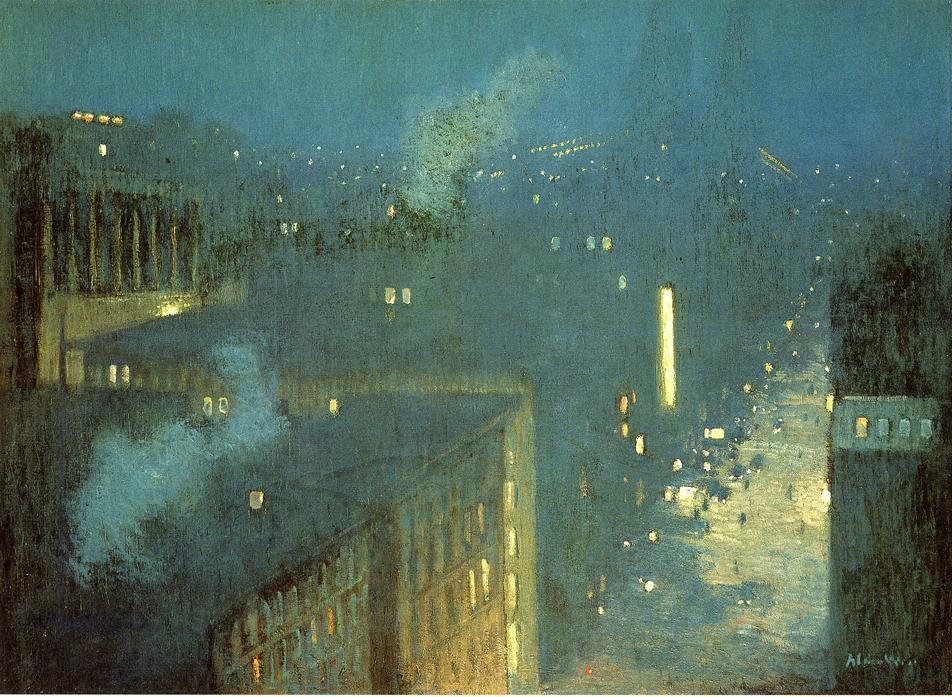
The Bridge Nocturne aka Nocturne Queensboro Bridge
 Impressionism
 1910
1910 73.0 x 100.0 cm
 Read More
Purchase a high-resolution, enhanced digital image, far superior to the online preview.
Each file is meticulously prepared by our in-house specialists using advanced tools and expert manual retouching. We ensure every image has exceptional clarity, precise color accuracy, and fine detail.
The final file is delivered via email within 72 hours, optimized for immediate use in professional, editorial, and print environments. This is the same quality trusted by top-tier design studios, publishers, and galleries.
Digital Image
Download a high-resolution file for personal display, printing, and creative projects. ( Buy Print Buy Hand Made Painting)
Included in Every Digital Image Order
Expert Digital Delivery, Guaranteed
When you choose ArtsDot.com, you're not just getting an image - you're receiving a professionally enhanced digital artwork, crafted with precision and backed by a satisfaction guarantee. Here's everything that comes with your order, automatically:

Fast Email Delivery
Your high-resolution digital image file will be emailed to you within 72 hours of ordering - ready for immediate use.

AI-Enhanced Digital File
Your artwork is professionally optimized using advanced AI tools and manual editing, ensuring maximum detail, clarity, and color accuracy.

Free Lifetime Re-Delivery
Accidentally deleted or lost your file? No worries - we'll resend it to you anytime, free of charge.

No Import Fees - Ever
Enjoy your artwork instantly with zero customs, duties, or delivery fees - digital downloads are always tax-free.

Color Accuracy Guarantee
We ensure your digital image reflects the original colors as closely as possible using professional tools and color management.

60-Day Satisfaction Guarantee
If you're not satisfied with your digital image, we'll revise it or refund 100% within 60 days - no questions asked.

100% Money-Back Guarantee
Not satisfied? Get a full refund within 60 days of receiving your digital file - no questions asked.

Bulk Order Discounts
Buy 3 images, save 10% - Buy 5, save 15% - Buy 10+, save 20%. Great for creative projects, galleries, and agencies.
Collectible Description
A Glimpse into Early 20th Century Urban Life
Julian Alden Weir’s *The Bridge Nocturne (Nocturne Queensboro Bridge)*, painted in 1910, is a captivating example of American Impressionism. The artwork depicts the newly constructed Queensboro Bridge bathed in the glow of city lights, set against the backdrop of a bustling urban landscape. This wasn't simply a depiction of a landmark; it was an exploration of modern life and the changing face of New York City at the turn of the century. Weir masterfully captures the energy of the metropolis – the streaks of headlights from passing cars, the subtle forms of pedestrians, and the imposing architecture that defined the era.Impressionistic Technique & Tonalism
Weir’s technique in *The Bridge Nocturne* is characteristic of his Impressionist style, yet leans heavily into tonalism – an American artistic movement emphasizing subtle variations of tone to create mood and atmosphere. He employs loose brushstrokes and a muted palette dominated by blues, grays, and blacks, punctuated by the warm yellows and oranges of artificial light. This creates a sense of atmospheric perspective, drawing the viewer’s eye deep into the scene. Notice how Weir doesn't focus on precise detail but rather on capturing the *impression* of light and movement. The painting isn’t about photographic realism; it’s about evoking a feeling – the quiet hum of the city at night, the sense of wonder inspired by its scale and energy.Historical Context & Weir's Artistic Circle
Julian Alden Weir was a pivotal figure in American art, belonging to both the Cos Cob Art Colony and “The Ten,” a group of influential painters who broke away from the conservative Society of American Artists. His father and brother were also accomplished artists – Robert Walter and John Ferguson Weir respectively – creating a strong artistic lineage. The Queensboro Bridge itself was a symbol of progress and innovation, completed in 1909 and quickly becoming an iconic part of New York’s skyline. By choosing this subject matter, Weir positioned himself at the forefront of depicting modern American life. He wasn't painting pastoral landscapes alone; he was engaging with the rapidly changing world around him.Emotional Resonance & Interior Design
*The Bridge Nocturne* evokes a sense of peaceful contemplation amidst urban vibrancy. The painting’s subdued color palette and atmospheric quality create a calming effect, while the dynamic composition hints at the energy of the city. This artwork would be a stunning addition to a variety of interior spaces. Its sophisticated aesthetic lends itself well to modern living rooms, dining areas, or home offices. The piece's scale (73 x 100 cm) makes it impactful without being overwhelming, and its tonal qualities complement both neutral and bolder color schemes. It’s a timeless work that invites viewers to pause, reflect, and appreciate the beauty of the urban landscape.Related Artworks

Artist Biography
Early Life and Artistic Foundations
Julian Alden Weir, born August 30, 1852, at West Point, New York, inherited an artistic lineage that profoundly shaped his path. His father, Robert Walter Weir, was a respected painter and drawing professor at the United States Military Academy, instilling in young Julian a deep appreciation for art from an early age. The home itself was a vibrant studio, filled with the tools and inspiration of a creative life. This nurturing environment extended to his elder brother, John Ferguson Weir, who also became a notable landscape artist. Julian’s initial formal training began at the National Academy of Design in New York City around 1870, providing him with a solid grounding in traditional techniques. However, it was his journey to Paris in 1873 that truly ignited his artistic development. Studying under Jean-Léon Gérôme at the École des Beaux-Arts exposed him to academic rigor and meticulous detail, while friendships forged with artists like Jules Bastien-Lepage broadened his perspective on painting’s possibilities. Initially, Weir harbored a strong aversion to the emerging Impressionist movement, dismissing its perceived lack of form and structure as “horrible.” This early resistance would prove pivotal, as his eventual embrace of Impressionism came not from immediate acceptance but through a gradual evolution of understanding.The Connecticut Years and Artistic Transformation
A turning point in Weir’s life arrived with his marriage to Anna Dwight Baker in 1883 and their subsequent move to Branchville, Connecticut. He purchased a farm there, seeking respite from the bustling art world of New York City. This rural setting became more than just a retreat; it was a wellspring of inspiration. The tranquil landscapes, the rhythms of farm life, and the intimate connection with nature began to subtly shift his artistic focus. While initially continuing to produce portraits and still lifes in a traditional style, Weir found himself increasingly drawn to capturing the fleeting effects of light and atmosphere. Around 1891, this inclination blossomed into a full-fledged embrace of Impressionism. Influenced by fellow artists like John Twachtman and Theodore Robinson, he began experimenting with broken brushstrokes, vibrant color palettes, and an emphasis on subjective perception. This wasn’t a wholesale abandonment of his earlier training; rather, it was a synthesis of academic skill with the innovative spirit of the new movement. His style often oscillated between pure Impressionistic expression and a more subdued tonalism, creating a unique visual language that distinguished him from his contemporaries. He also demonstrated considerable talent as an engraver, particularly through his skillful use of aquatint techniques.A Leading Voice in American Art
By the late 19th century, Julian Alden Weir had established himself as a prominent figure in the American art scene. He was instrumental in forming “The Ten,” a group of ten independent-minded painters who sought to exhibit their work outside the constraints of traditional institutions like the National Academy of Design. This collective—including artists such as Childe Hassam, Willard Leroy Metcalf, and Edmund Tarbell—represented a significant step towards artistic autonomy and helped shape the direction of American painting. In 1912, Weir was elected the first president of the Association of American Painters and Sculptors, further solidifying his leadership role within the art community. He later served as president of the National Academy of Design itself, demonstrating the respect he had earned from both progressive and conservative factions of the art world. His key works from this period—such as *On the Shore* (1892), a vibrant coastal scene; *New England Barnyard* (1904), a charming depiction of rural life; and *Upland Pasture* (1905)—exemplify his mastery of Impressionistic techniques and his ability to capture the essence of American landscapes.Legacy and Enduring Influence
Julian Alden Weir’s contributions extend far beyond his individual paintings. He played a crucial role in bridging the gap between traditional academic painting and the innovative spirit of Impressionism, paving the way for future generations of American artists. His dedication to fostering artistic independence through “The Ten” challenged established norms and helped create a more vibrant and diverse art landscape. Today, Weir Farm National Historic Site in Branchville, Connecticut, stands as a testament to his life and work. Preserved as it was during his time, the farm offers visitors a glimpse into the world that inspired him—the rolling hills, the weathered barns, and the quiet beauty of rural New England. The site serves not only as a historical landmark but also as a continuing source of inspiration for artists today. His family’s artistic legacy – stemming from his father Robert Walter Weir, a Hudson River School painter – further cements Julian Alden Weir's place within the broader narrative of American art history. He died in New York City on December 8, 1919, leaving behind a body of work that continues to captivate and inspire, reminding us of the power of art to capture the beauty and essence of the world around us.- Key Works: *On the Shore* (1892), *New England Barnyard* (1904), *Upland Pasture* (1905)
- Artistic Style: Impressionism, Tonalism
- Associations: “The Ten,” National Academy of Design
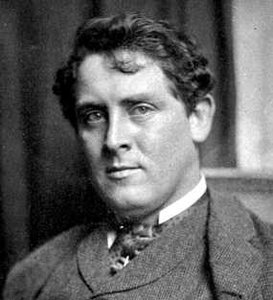
Julian Alden Weir
1852 - 1919 , United States of America
Quick Facts
- Artistic Movement Or Style: Impressionism, Tonalism
- Artists Or Movements Influenced By This Artist: ['The Ten American Painters']
- Artists Who Influenced This Artist:
- Jean-Léon Gérôme
- Jules Bastien-Lepage
- Date Of Birth: August 30, 1852
- Date Of Death: December 8, 1919
- Full Name: Julian Alden Weir
- Nationality: American
- Notable Artworks:
- On the Shore
- New England Barnyard
- Upland Pasture
- Place Of Birth: West Point, USA

