

 Preview
 Send
Send Share
Share
 Details

 Download
 Similars
 X-Ray
X-Ray Diaporama
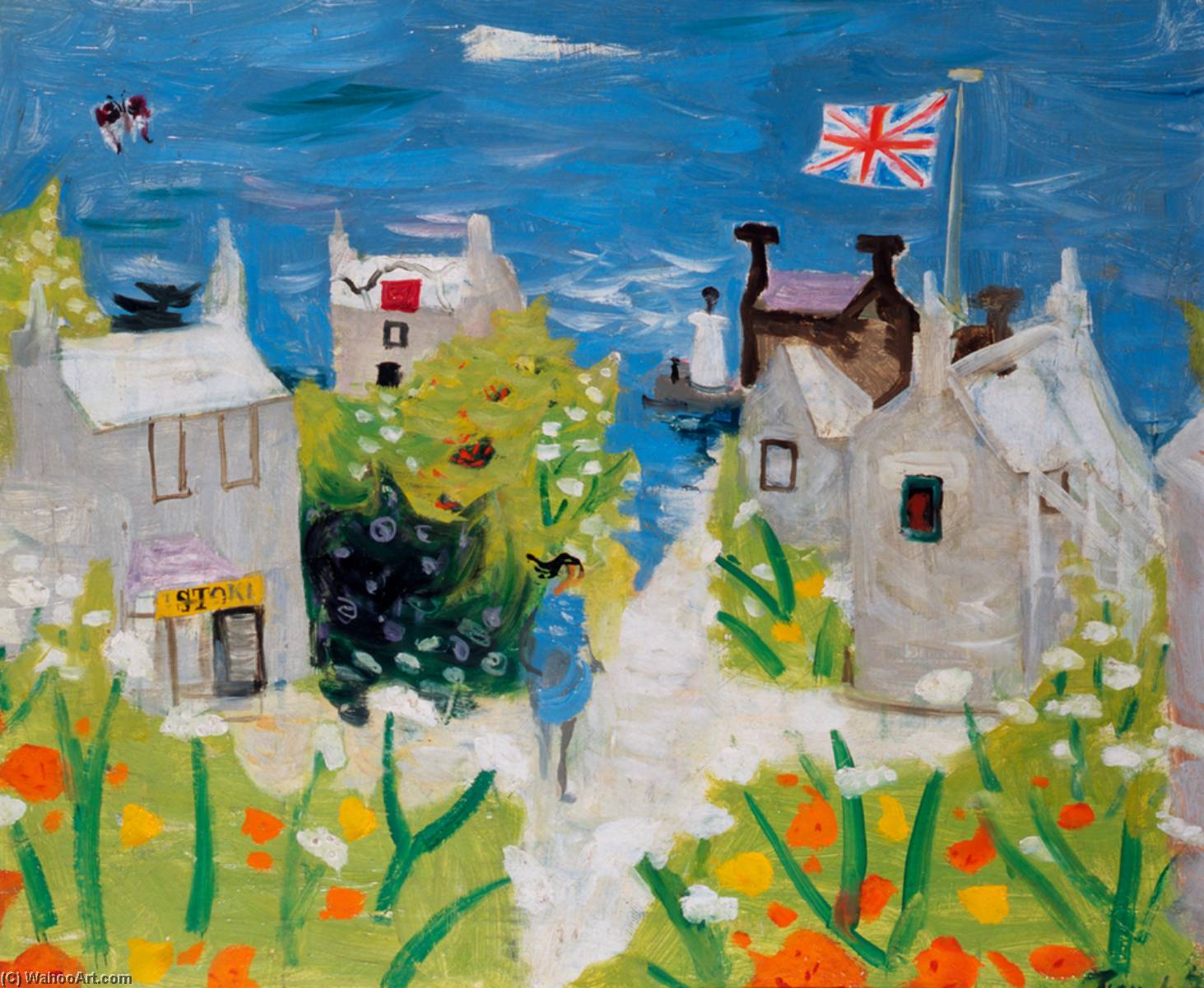
Tresco, Scilly Isles
 Oil On Canvas
- WallArt
- Impressionism
 Modern
 47.0 x 58.0 cm
 Government Art Collection
 Read More
Purchase a high-resolution, enhanced digital image, far superior to the online preview.
Each file is meticulously prepared by our in-house specialists using advanced tools and expert manual retouching. We ensure every image has exceptional clarity, precise color accuracy, and fine detail.
The final file is delivered via email within 72 hours, optimized for immediate use in professional, editorial, and print environments. This is the same quality trusted by top-tier design studios, publishers, and galleries.
Digital Image
Download a high-resolution file for personal display, printing, and creative projects. ( Buy Print Buy Hand Made Painting)
Included in Every Digital Image Order
Expert Digital Delivery, Guaranteed
When you choose ArtsDot.com, you're not just getting an image - you're receiving a professionally enhanced digital artwork, crafted with precision and backed by a satisfaction guarantee. Here's everything that comes with your order, automatically:

Fast Email Delivery
Your high-resolution digital image file will be emailed to you within 72 hours of ordering - ready for immediate use.

AI-Enhanced Digital File
Your artwork is professionally optimized using advanced AI tools and manual editing, ensuring maximum detail, clarity, and color accuracy.

Free Lifetime Re-Delivery
Accidentally deleted or lost your file? No worries - we'll resend it to you anytime, free of charge.

No Import Fees - Ever
Enjoy your artwork instantly with zero customs, duties, or delivery fees - digital downloads are always tax-free.

Color Accuracy Guarantee
We ensure your digital image reflects the original colors as closely as possible using professional tools and color management.

60-Day Satisfaction Guarantee
If you're not satisfied with your digital image, we'll revise it or refund 100% within 60 days - no questions asked.

100% Money-Back Guarantee
Not satisfied? Get a full refund within 60 days of receiving your digital file - no questions asked.

Bulk Order Discounts
Buy 3 images, save 10% - Buy 5, save 15% - Buy 10+, save 20%. Great for creative projects, galleries, and agencies.
Collectible Description
A Coastal Dreamscape: The Lyrical Charm of Tresco
In the gentle embrace of Julian Trevelyan’s Tresco, Scilly Isles, the viewer is transported to a world where time seems to slow, suspended in the bright, salt-kissed air of the British coast. This exquisite piece captures an idyllic coastal scene, presenting a small village nestled harmoniously along the shoreline under a vast, luminous blue sky. The composition possesses a rhythmic, asymmetrical grace, guiding the eye through a winding pathway that leads from the vibrant foreground toward the heart of the settlement. It is more than a mere landscape; it is a window into a dreamlike reality where the boundaries between the land and the sea feel soft and permeable, inviting the observer to step into a moment of pure, sun-drenched tranquility.
The technique employed in this work speaks to Trevelyan’s mastery of light and texture. Utilizing what appears to be the rich, tactile medium of oil on canvas, the artist employs visible, expressive brushstrokes that imbue the scene with a sense of movement and vitality. There is a wonderful use of impasto, where layers of paint create a physical depth, making the wildflowers in the foreground dance and the white-washed walls of the cottages shimmer. The style leans toward an Impressionist sensibility, eschewing rigid realism in favor of capturing the fleeting essence of a sunny day. Through simplified shapes and gestural lines, Trevelyan achieves a sophisticated abstraction that retains its representational soul while prioritizing the emotional atmosphere of the Scilly Isles.
Heritage and Harmony: Symbolism and Palette
Beyond its aesthetic beauty, Tresco, Scilly Isles carries subtle layers of meaning that resonate with themes of identity and peace. A poignant detail—the Union Jack fluttering atop one of the village buildings—serves as a quiet nod to British heritage, anchoring this dreamlike landscape in a specific cultural geography. This symbol of identity sits in perfect balance with the natural elements, suggesting a way of life where human habitation and the wild beauty of the Atlantic coast exist in a state of profound equilibrium. The painting evokes a deep sense of nostalgia, perhaps for a simpler, more pastoral era, making it an emotionally resonant piece for those who find solace in the concept of "home" and the enduring charm of small-town life.
The color palette is a masterclass in harmonic composition, dominated by a refreshing triad of whites, blues, and greens, punctuated by cheerful splashes of yellow. These tones work in concert to create an atmosphere that is both bright and soothing, perfect for illuminating a space with a sense of airy lightness. For the discerning collector or interior designer, this artwork offers a versatile elegance; its soft hues can anchor a coastal-themed room or provide a serene focal point in a modern, minimalist gallery setting. To possess a reproduction of this work is to bring a piece of Trevelyan’s imaginative spirit into one's own environment, offering a permanent escape to the sun-soaked shores of Tresco.
Related Artworks

Artist Biography
A Life Immersed in Imagination: The World of Julian Trevelyan
Julian Otto Trevelyan, born in Dorking, Surrey, in 1910, was a figure who navigated the currents of 20th-century British art with an independent spirit and a deeply personal vision. He wasn’t merely a painter or printmaker; he was a storyteller, a dreamer, and a dedicated educator whose influence resonated through generations of artists. Trevelyan's lineage hinted at a life steeped in intellectualism – his grandfather was the liberal politician Sir George Trevelyan, and his uncle the renowned historian G.M. Trevelyan – yet he forged his own path, one that led him from the hallowed halls of Cambridge to the vibrant artistic milieu of 1930s Paris and ultimately back to a riverside studio in Hammersmith, London, which would become both home and creative sanctuary for the rest of his life. His early education at Bedales School fostered an environment of free thought, while studies in English Literature at Trinity College, Cambridge, provided a foundation for the narrative quality that would permeate much of his work. However, it was the pull towards visual expression that proved strongest, prompting him to abandon academic pursuits and seek artistic training abroad.Parisian Encounters and the Embrace of Surrealism
The decision to move to Paris in 1931 marked a pivotal moment in Trevelyan’s development. He enrolled at Atelier Dix-Sept, Stanley William Hayter's groundbreaking engraving school, a hub for experimentation and innovation. This wasn’t simply a technical education; it was an immersion into a world of artistic ferment. Here, he encountered some of the most significant figures of the avant-garde – Max Ernst, Oskar Kokoschka, Joan Miró, and Pablo Picasso – artists who challenged conventional notions of representation and embraced the power of the subconscious. The influence of these encounters is palpable in Trevelyan’s early work, particularly his exploration of Surrealism. He became a founding member of the British Surrealist Group in 1936, participating in the landmark International Surrealist Exhibition held in London that same year. However, Trevelyan's engagement with Surrealism wasn’t one of strict adherence; he absorbed its principles – the embrace of dreams, automatism, and the irrational – but filtered them through his own unique sensibility, imbuing his work with a distinctly British character. He resigned from the group in 1938, seeking to chart an independent course that allowed for greater stylistic freedom.Wartime Camouflage and Post-War Influence
The outbreak of World War II dramatically altered Trevelyan’s trajectory. His artistic skills were put to practical use as a camouflage officer, serving in the Royal Engineers in North Africa and Palestine from 1940 to 1943. This experience proved surprisingly formative. Faced with the challenge of deceiving the enemy in the vast expanse of the desert, he developed an acute understanding of visual perception and deception – skills that would later inform his artistic practice. He and his colleagues pioneered innovative camouflage techniques, creating dummy armies and disguising tanks as trucks, successfully diverting German forces. After the war, Trevelyan returned to England and dedicated himself to teaching, holding positions at both Chelsea School of Art (1950-1955) and the Royal College of Art (1955-1963), where he eventually became Head of the Etching Department. His enthusiasm for printmaking was infectious, and he nurtured a generation of influential artists, including David Hockney, Ron Kitaj, and Norman Ackroyd. He wasn’t simply imparting technical skills; he was fostering a spirit of experimentation and encouraging his students to push the boundaries of their chosen medium. Trevelyan's dedication to etching revolutionized modern print techniques, earning him recognition as a silent driving force behind the etching revolution of the 1960s.The Thames Suite and a Legacy of Imaginative Vision
Throughout his career, Trevelyan’s subject matter was remarkably diverse, ranging from industrial landscapes and portraits to fantastical scenes populated by enigmatic figures and symbolic objects. However, a recurring theme was his fascination with the River Thames. In 1969, he produced *The Thames Suite*, a series of twelve views depicting the river from its source in Oxford and Henley-on-Thames down to the tidal stretches of London and the estuary. This project wasn’t merely a topographical survey; it was an exploration of the river's history, mythology, and emotional resonance. Trevelyan’s work often blended realism with elements of fantasy, creating images that were both familiar and unsettling. His paintings and prints are characterized by their lyrical quality, imaginative compositions, and subtle use of color. He wasn’t interested in replicating reality; he sought to capture its essence, its underlying poetry. Julian Trevelyan received a Senior Fellowship at the Royal College of Art in 1986 and was appointed a Royal Academician in 1987, solidifying his place within the British art establishment. He died in Hammersmith in 1988, leaving behind a rich and varied body of work that continues to inspire and captivate audiences today. His legacy lies not only in his own artistic achievements but also in the countless artists he mentored and encouraged, ensuring that his spirit of experimentation and imaginative vision would endure for generations to come.A Lasting Impression
Today, Trevelyan’s work is held in numerous public collections, including the Tate Gallery, which boasts over 105 of his artworks. Exhibitions continue to celebrate his life and art, with Bohun Gallery, Henley on Thames, handling the artist's estate and staging regular shows. His influence can be seen in the work of contemporary artists who share his interest in narrative, symbolism, and the power of the imagination. Indigo Days, Trevelyan’s autobiographical account of his wartime experiences, offers a fascinating glimpse into the mind of this remarkable artist. Julian Trevelyan was more than just an artist; he was a poet of the visual realm, a master printmaker, and a dedicated educator who left an indelible mark on British art. His work reminds us that true creativity lies in embracing the unexpected, challenging conventions, and allowing our imaginations to soar.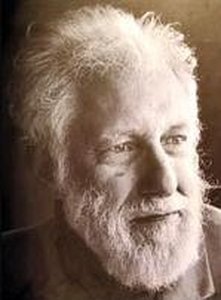
Julian Trevelyan
1910 - 1988 , United Kingdom
Quick Facts
- Artistic Movement Or Style: Surrealism, Printmaking
- Artists Or Movements Influenced By This Artist:
- David Hockney
- Ron Kitaj
- Modern Printmaking
- Artists Who Influenced This Artist:
- Max Ernst
- Joan Miró
- Pablo Picasso
- Date Of Birth: 1910
- Date Of Death: 1988
- Full Name: Julian Otto Trevelyan
- Nationality: British
- Notable Artworks:
- Self-portrait (1940)
- Standing Figure...
- Boat Race
- Thames Suite (1969)
- Place Of Birth: Dorking, UK

