

 Preview
 Send
Send Share
Share
 Details

 Download
 Similars
 X-Ray
X-Ray Diaporama
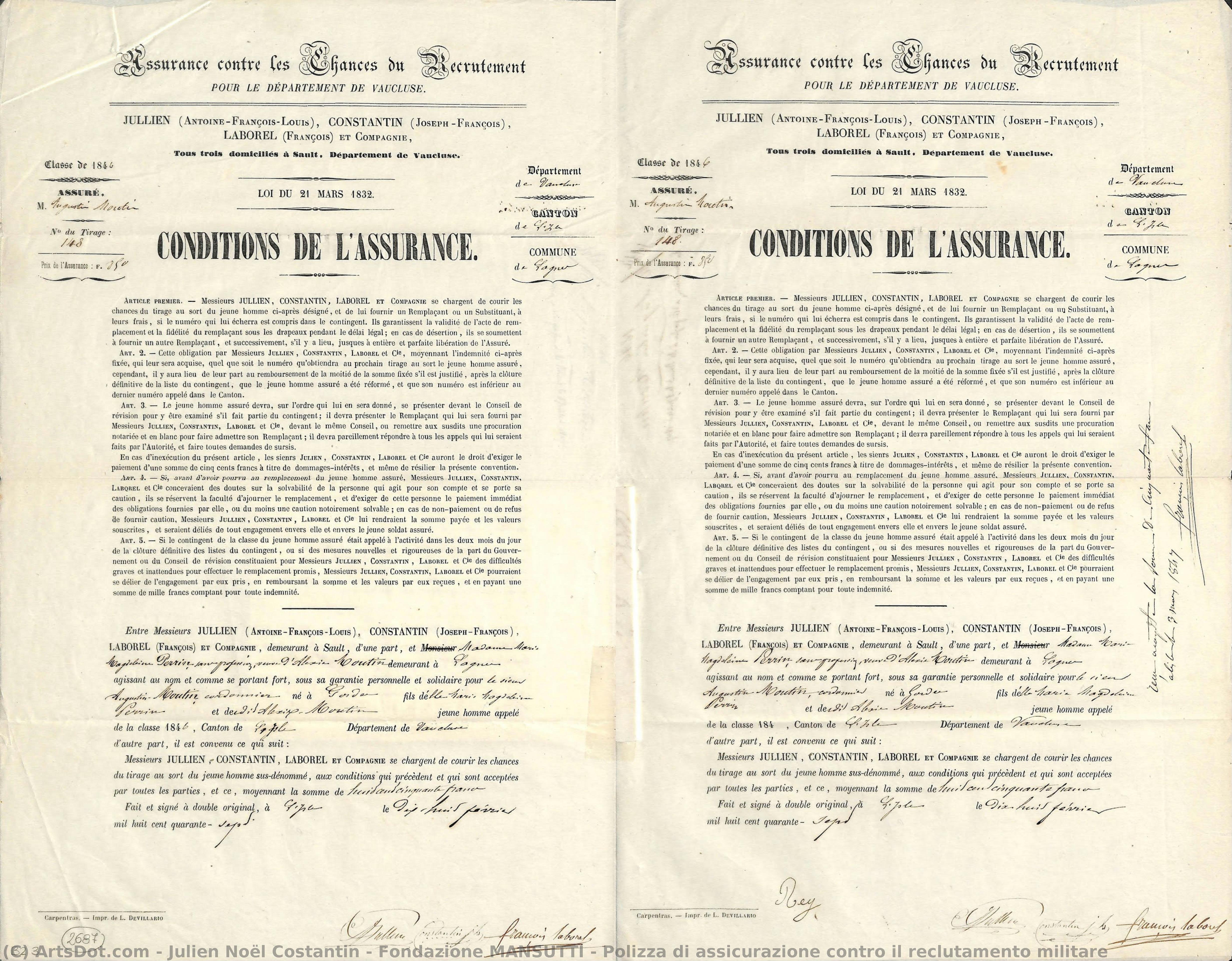
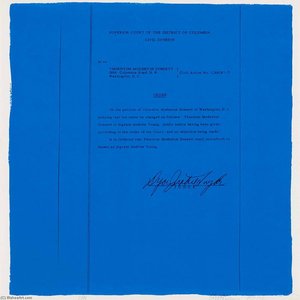
Fondazione MANSUTTI - Polizza di assicurazione contro il reclutamento militare
 1847
1847 37.0 x 24.0 cm
 Read More
Purchase a high-resolution, enhanced digital image, far superior to the online preview.
Each file is meticulously prepared by our in-house specialists using advanced tools and expert manual retouching. We ensure every image has exceptional clarity, precise color accuracy, and fine detail.
The final file is delivered via email within 72 hours, optimized for immediate use in professional, editorial, and print environments. This is the same quality trusted by top-tier design studios, publishers, and galleries.
Digital Image
Download a high-resolution file for personal display, printing, and creative projects. ( Buy Print Buy Hand Made Painting)
Included in Every Digital Image Order
Expert Digital Delivery, Guaranteed
When you choose ArtsDot.com, you're not just getting an image - you're receiving a professionally enhanced digital artwork, crafted with precision and backed by a satisfaction guarantee. Here's everything that comes with your order, automatically:

Fast Email Delivery
Your high-resolution digital image file will be emailed to you within 72 hours of ordering - ready for immediate use.

AI-Enhanced Digital File
Your artwork is professionally optimized using advanced AI tools and manual editing, ensuring maximum detail, clarity, and color accuracy.

Free Lifetime Re-Delivery
Accidentally deleted or lost your file? No worries - we'll resend it to you anytime, free of charge.

No Import Fees - Ever
Enjoy your artwork instantly with zero customs, duties, or delivery fees - digital downloads are always tax-free.

Color Accuracy Guarantee
We ensure your digital image reflects the original colors as closely as possible using professional tools and color management.

100-Day Satisfaction Guarantee
If you're not satisfied with your digital image, we'll revise it or refund 100% within 100 days - no questions asked.

100% Money-Back Guarantee
Not satisfied? Get a full refund within 100 days of receiving your digital file - no questions asked.

Bulk Order Discounts
Buy 3 images, save 10% - Buy 5, save 15% - Buy 10+, save 20%. Great for creative projects, galleries, and agencies.
Related Artworks





Artist Biography
Charles Warren Eaton (1857 – 1936): A Portraitist of New England’s Soul
Charles Warren Eaton, a name perhaps less familiar than some of his contemporaries, nevertheless holds a significant place in the history of American art. Born in Bloomfield, New Jersey, in 1857, Eaton dedicated his life to capturing the essence of rural New England—its landscapes, its people, and the quiet dignity of everyday existence. His work, characterized by a remarkable sensitivity to light and texture, offers a poignant glimpse into a vanishing world, earning him recognition as a key figure in the development of American Regionalism during the late 19th and early 20th centuries. Eaton’s journey was one marked by perseverance, artistic evolution, and an unwavering commitment to portraying the authentic spirit of his chosen subject matter.Early Life and Artistic Foundations
Eaton's early life provided a grounding in both art and industry. His father, a prominent figure in Bloomfield’s manufacturing sector, instilled in him a strong work ethic while simultaneously recognizing and nurturing his artistic inclinations. Recognizing the value of formal training, Eaton began his artistic education at an early age, receiving instruction from local artists and ultimately enrolling at the prestigious Rhode Island School of Design (RISD) in Providence. It was here that he honed his skills in drawing and painting, absorbing influences from the burgeoning American art scene—particularly the works of Hudson River School painters like Frederic Church and Thomas Cole, whose dramatic landscapes and romanticized depictions of nature profoundly shaped his artistic vision. However, Eaton’s training extended beyond the confines of RISD; he also benefited from informal instruction and mentorship from established artists in New England, absorbing techniques and perspectives that would inform his distinctive style.The Influence of Brittany and a Distinctive Style
A pivotal moment in Eaton's artistic development occurred during his extended sojourns in Brittany, France. Beginning in the late 1870s and continuing for several years, he immersed himself in the region’s vibrant art community, studying alongside Henry Herbert La Thangue, a fellow American artist who had established a studio there. The Breton landscape—its rugged coastline, its misty hillsides, and its weathered villages—proved to be an irresistible muse. Eaton's time in Brittany profoundly impacted his artistic approach, leading him to develop a distinctive style characterized by loose brushwork, atmospheric effects, and a remarkable ability to capture the subtle nuances of light and color. He began to prioritize capturing the *feeling* of a place over precise detail, embracing a more impressionistic sensibility while retaining a strong connection to traditional landscape painting techniques.Newlyn and the Cornish School
In 1884, Eaton relocated to Newlyn, Cornwall, becoming an integral part of the thriving art colony that had gathered there. This period marked a significant shift in his artistic focus, as he increasingly turned his attention to depicting the lives and landscapes of the local fishing community. He became associated with the “Newlyn School,” a group of artists who sought to capture the authentic spirit of Cornish life—its hardships, its traditions, and its close-knit social fabric. Eaton’s portraits of fishermen, their families, and their daily routines are particularly notable for their empathy and insight. He avoided romanticizing these subjects, instead presenting them with a quiet dignity and realism that reflected his deep respect for the people he portrayed. His work during this time is often characterized by muted colors and a sense of melancholy—a reflection of the challenging realities faced by those who lived along the rugged Cornish coast.Later Years and Legacy
Throughout the late 19th and early 20th centuries, Eaton continued to paint prolifically, establishing a studio in Bloomfield, New Jersey, where he taught art classes and produced works that reflected his evolving artistic sensibilities. His later paintings often featured scenes of rural life—farm families, children playing, and glimpses into the interiors of modest homes—all rendered with the same meticulous attention to detail and atmospheric sensitivity that had defined his work for decades. Eaton’s legacy is one of quiet observation and profound empathy. He was not a flamboyant or overtly expressive artist; rather, he possessed a remarkable ability to capture the essence of ordinary lives through subtle gestures, evocative details, and a deep understanding of the human condition. His paintings offer a valuable window into a bygone era—a time when rural America was undergoing rapid transformation, and the rhythms of life were closely tied to the land and its seasons. Today, Eaton’s work is held in numerous public and private collections across the United States, testament to his enduring artistic merit and his significant contribution to American art history.
julien noël costantin
1857 - 1936 , France
Quick Facts
- Artistic Movement Or Style: Romanticism
- Artists Or Movements Influenced By This Artist: ['None listed']
- Artists Who Influenced This Artist: ['Alexander Stroganov']
- Date Of Birth: March 30, 1776
- Date Of Death: May 16, 1857
- Full Name: Vasily Tropinin
- Nationality: Russian
- Notable Artworks:
- The Lace Maker
- The Gold-Embroideress
- Place Of Birth: Korpovo, Novgorod Governorate