 Preview
 Send
Send Share
Share
 Details

 Download
 Similars
 X-Ray
X-Ray Diaporama
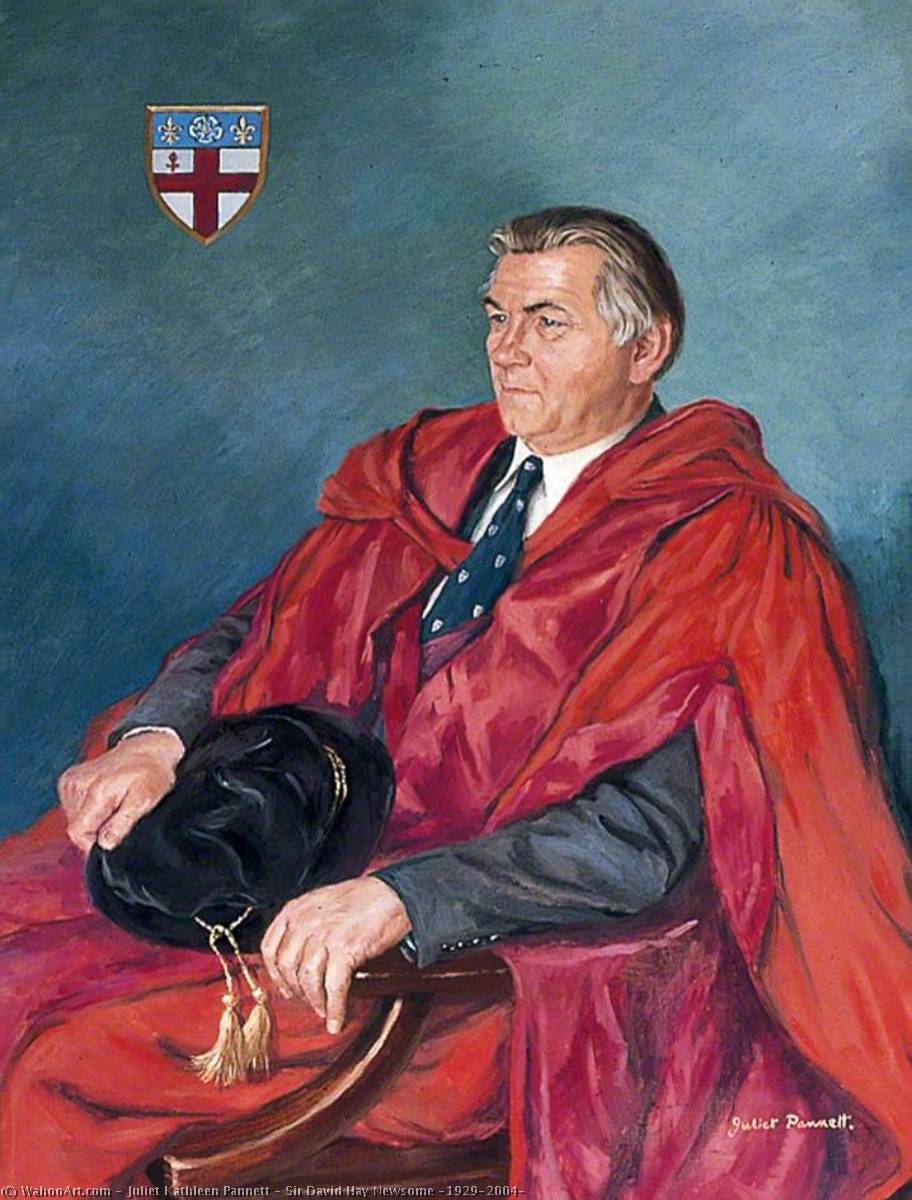
Sir David Hay Newsome (1929–2004)
 Contemporary Realism
 122.0 x 91.0 cm
 Christ's Hospital
 Read More
Purchase a high-resolution, enhanced digital image, far superior to the online preview.
Each file is meticulously prepared by our in-house specialists using advanced tools and expert manual retouching. We ensure every image has exceptional clarity, precise color accuracy, and fine detail.
The final file is delivered via email within 72 hours, optimized for immediate use in professional, editorial, and print environments. This is the same quality trusted by top-tier design studios, publishers, and galleries.
Digital Image
Download a high-resolution file for personal display, printing, and creative projects. ( Buy Print Buy Hand Made Painting)
Included in Every Digital Image Order
Expert Digital Delivery, Guaranteed
When you choose ArtsDot.com, you're not just getting an image - you're receiving a professionally enhanced digital artwork, crafted with precision and backed by a satisfaction guarantee. Here's everything that comes with your order, automatically:

Fast Email Delivery
Your high-resolution digital image file will be emailed to you within 72 hours of ordering - ready for immediate use.

AI-Enhanced Digital File
Your artwork is professionally optimized using advanced AI tools and manual editing, ensuring maximum detail, clarity, and color accuracy.

Free Lifetime Re-Delivery
Accidentally deleted or lost your file? No worries - we'll resend it to you anytime, free of charge.

No Import Fees - Ever
Enjoy your artwork instantly with zero customs, duties, or delivery fees - digital downloads are always tax-free.

Color Accuracy Guarantee
We ensure your digital image reflects the original colors as closely as possible using professional tools and color management.

60-Day Satisfaction Guarantee
If you're not satisfied with your digital image, we'll revise it or refund 100% within 60 days - no questions asked.

100% Money-Back Guarantee
Not satisfied? Get a full refund within 60 days of receiving your digital file - no questions asked.

Bulk Order Discounts
Buy 3 images, save 10% - Buy 5, save 15% - Buy 10+, save 20%. Great for creative projects, galleries, and agencies.
Related Artworks
Artist Biography
A Chronicler of Empire: The Life and Art of Juliet Kathleen Pannett
Juliet Kathleen Pannett, a name perhaps less instantly recognizable than some of her contemporaries, nevertheless occupies a significant place in the annals of Victorian portraiture. Born into a world steeped in tradition and burgeoning imperial power, Pannett dedicated her life to capturing the likenesses – and, crucially, the *essence* – of those who shaped that era. Her subjects weren’t merely faces; they were embodiments of military might, scientific advancement, political authority, and aristocratic lineage. While biographical details remain somewhat sparse, the sheer volume and quality of her work speak volumes about a dedicated artist operating at the heart of British society during a period of immense change. Pannett wasn't simply *painting* portraits; she was constructing visual narratives of power, prestige, and the enduring spirit of the British Empire.Early Influences and Artistic Development
The precise details of Pannett’s formal artistic training are not fully documented, a common occurrence for women artists of her time whose education often occurred within private circles or less formally recognized studios. However, the strong classical foundations evident in her work suggest an early exposure to the Old Masters – particularly those renowned for their realistic depiction of form and character. The influence of Sir Thomas Lawrence, with his elegant brushwork and ability to convey personality, is palpable in Pannett’s earlier portraits. She also demonstrably absorbed the techniques of contemporary portraitists like George Richmond, known for his meticulous attention to detail and refined aesthetic. Pannett's style wasn’t revolutionary; rather, it was a masterful synthesis of established traditions, honed through diligent practice and an acute observational skill. Her early works often featured members of her own social circle, providing valuable opportunities to refine her technique before venturing into the more demanding realm of commissioned portraits.A Portraitist of Power: Defining Pannett’s Oeuvre
Pannett's career truly flourished with her increasing success in portraying prominent figures within the military and political spheres. She became particularly sought after for her ability to capture the gravitas and authority of high-ranking officers, many of whom had served during the Crimean War and subsequent colonial campaigns. Her portraits weren’t simply flattering representations; they were carefully constructed images designed to project strength, competence, and unwavering dedication to duty. The use of strong lighting, often highlighting the subject's face and uniform details, contributed to this effect. Beyond military leaders, Pannett also received commissions from members of the aristocracy and scientific community. Her portrait of Sir Henry Thompson, a pioneering surgeon, for example, showcases her ability to convey intellectual rigor and professional dedication. This breadth of subject matter distinguishes Pannett, demonstrating an adaptability and skill that extended beyond any single social or professional group. She wasn’t confined to painting the elite; she painted *those who defined* the elite, regardless of their specific field.Technique and Symbolism: Beyond Likeness
Pannett's technical mastery is evident in her meticulous brushwork, subtle use of color, and ability to capture realistic textures – from the sheen of a military uniform to the delicate folds of silk drapery. However, her portraits are more than just technically proficient renderings; they are imbued with symbolic meaning. The backgrounds often feature carefully chosen objects or landscapes that subtly allude to the subject's achievements or character. A naval officer might be depicted against a backdrop of stormy seas, symbolizing courage and resilience, while a scientist could be shown surrounded by books and instruments representing knowledge and discovery. The inclusion of these details wasn’t accidental; they were deliberate attempts to enhance the narrative power of the portrait and create a lasting impression on the viewer. Pannett also paid close attention to the psychological aspects of portraiture, striving to capture not just the physical likeness but also the inner character and personality of her subjects. This is particularly evident in the eyes – often rendered with remarkable depth and expressiveness – which seem to convey a sense of intelligence, determination, or quiet contemplation.Legacy and Historical Significance
While Pannett’s work was highly regarded during her lifetime, it has only recently begun to receive the wider recognition it deserves. Her portraits offer a fascinating glimpse into the Victorian era, providing valuable insights into the values, beliefs, and aspirations of British society.- Her meticulous attention to detail provides historians with invaluable visual documentation of military uniforms, aristocratic attire, and scientific instruments.
- Her portraits challenge conventional notions of power by showcasing the diversity of individuals who contributed to the success of the British Empire.
- She represents a significant example of a successful female artist operating within a male-dominated field, paving the way for future generations of women painters.