 Preview
 Send
Send Share
Share
 Details

 Download
 Similars
 X-Ray
X-Ray Diaporama
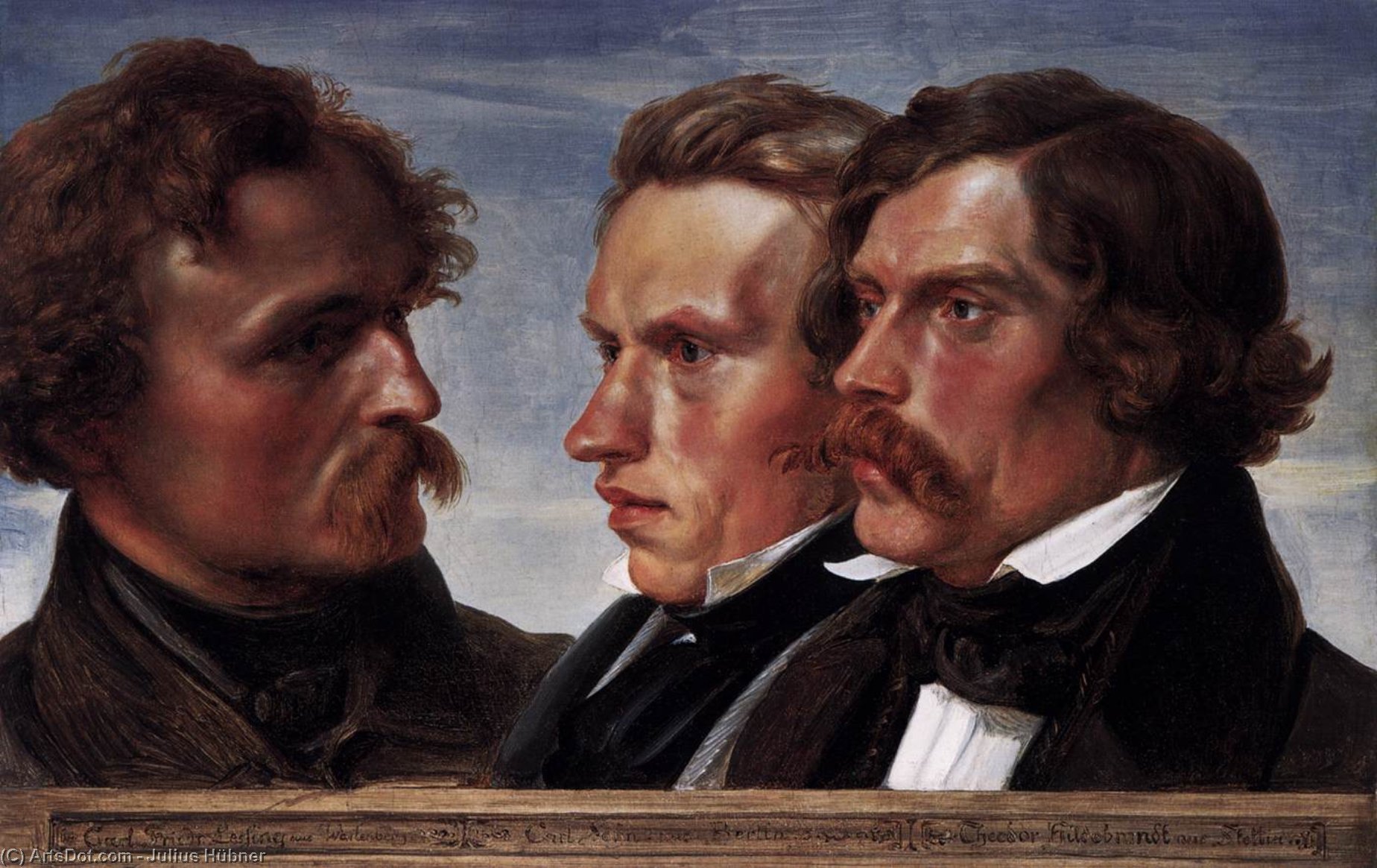
Carl Friedrich Lessing, Carl Sohn, and Theodor Hildebrandt
 1839
1839 29.0 x 59.0 cm
 Nationalgalerie
 Read More
Hand Made Oil Reproduction
Hand-painted oil on canvas in your size and frame, made to order by our artists. ( Buy Print Buy Image)




































Pick from our preset sizes that match the artwork's original proportions.

You may enter your own dimensions to fit a specific frame or space. If your selected size does not match the original image's proportions, we will either crop the artwork or extend the painting with additional hand-painted elements. A digital mockup will be sent for your approval before production begins.
Please note that the on-screen preview does not reflect the actual cropping or extension. Only the mockup will accurately show the final composition.
While custom sizes are available, we recommend selecting a dimension from the predefined list to preserve the original proportions.
After order, ArtsDot.com team will email client for instructions and provide a mockup preview
Worldwide Delivery () in 3/4 weeks instead of standard 5 weeks. (26 August). No compromise on quality.

Free Worldwide Express Shipping

High-Quality Linen Canvas

Full Shipping Insurance

Customs Tax Refund Guarantee

True Color Matching Guarantee

60-Day Return Policy (Defects Only)

100% Money-Back Guarantee

Bulk Discount Offer
 Glass option is only available in size under 110 CM

Carl Friedrich Lessing, Carl Sohn, and Theodor Hildebrandt
Reproduction Medium
Reproduction Size
-


Total Price
$ 263
Related Artworks








Artist Biography
Julius Hübner: A Düsseldorf School Pioneer
Rudolf Julius Benno Hübner (27 January 1806 – 7 November 1882) stands as a pivotal figure in German Romantic painting, embodying the Düsseldorf School’s commitment to meticulous observation and expressive tonalism. Born in Olsztyn, Silesia—now Poland—Hübner embarked on his artistic journey at the Prussian Academy of Arts in Berlin under Wilhelm Schadow's tutelage, absorbing Schadow’s profound understanding of chiaroscuro and sculptural modeling. This formative influence would permeate Hübner’s subsequent oeuvre, establishing him as a master of capturing atmospheric depth and conveying psychological nuance.- Early Years & Training: Hübner’s initial studies focused on classical sculpture, mirroring Schadow's dedication to reviving Greco-Roman ideals. However, he swiftly gravitated towards painting, recognizing its capacity for portraying emotion and narrative complexity.
- The Düsseldorf School Embrace: Hübner joined Schadow’s studio in Düsseldorf in 1826, immersing himself in the Düsseldorf School’s distinctive approach—a rejection of idealized forms in favor of realistic depictions rendered with subtle gradations of tone. This method prioritized capturing the essence of a subject through tonal variations rather than precise color palettes.
- Notable Works: Hübner's artistic reputation solidified early on with “Ruth and Boaz” (1825), an emotive depiction inspired by Goethe’s ballad, demonstrating his ability to infuse biblical narratives with psychological realism. Subsequent masterpieces include "The Fisherman" (1828), a poignant portrayal of rural life; “Ruth and Naomi” (1833), housed in the National Gallery, Berlin; and “Christ and the Four Evangelists” (1835), showcasing his masterful handling of light and shadow to convey spiritual contemplation.
Travels & Artistic Development
Recognizing the importance of broadening artistic horizons, Hübner undertook extensive travels throughout Italy between 1829 and 1831. This immersive experience profoundly impacted his aesthetic sensibilities, fostering a deeper appreciation for landscape painting and informing his stylistic choices. He returned to Düsseldorf with renewed vigor, continuing his studies under Schadow and establishing himself as a respected teacher at the Academy. Hübner’s artistic output flourished during this period, producing evocative canvases that captured both grandeur and intimacy—works like “Charles V at San Yuste” exemplify his ability to convey historical drama with remarkable sensitivity.- Italian Influence: Hübner's exposure to Italian landscapes instilled in him a fascination for tonal painting and a desire to emulate the techniques of Venetian masters.
- Academic Career & Patronage: Hübner’s appointment as professor at Dresden Academy cemented his position within the artistic establishment, attracting the patronage of influential figures like Felix Mendelssohn and Clara Schumann.
Major Achievements & Legacy
Hübner achieved considerable acclaim during his lifetime, culminating in a gold medal awarded by the Société Royale des Beaux-Arts de Bruxelles in 1851—a testament to his artistic prowess and unwavering dedication. His painting “The Golden Age” remains tragically lost, yet reproductions continue to inspire admiration for its masterful execution. Hübner’s influence extended beyond his own paintings; he served as Director of Gemäldegalerie Dresden from 1871, safeguarding a priceless collection of European art and furthering the dissemination of artistic knowledge. Hübner died peacefully in Loschwitz, Dresden, leaving behind a legacy as one of Düsseldorf School's most celebrated painters—a figure whose work embodies the Romantic spirit’s pursuit of emotional truth and aesthetic beauty. Further Research: Explore Hübner’s poetic endeavors alongside his paintings to gain a fuller understanding of his artistic vision and intellectual engagement. Consider examining biographical accounts detailing his personal life and familial connections, particularly his son Emil Hübner's scholarly pursuits.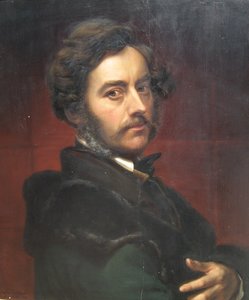
julius hübner
1806 - 1882 , Poland
Quick Facts
- Artistic Movement Or Style: Düsseldorf School of Painting
- Artists Or Movements Influenced By This Artist: ['Romanticism']
- Artists Who Influenced This Artist: ['Wilhelm Schadow']
- Date Of Birth: January 27, 1806
- Date Of Death: November 7, 1882
- Full Name: Rudolf Julius Benno Hübner
- Nationality: German
- Notable Artworks:
- Ruth & Boaz
- Job & His Friends
- The Fisherman
- Place Of Birth: Oels, Silesia (Poland)