

 Preview
 Send
Send Share
Share
 Details

 Download
 Similars
 X-Ray
X-Ray Diaporama
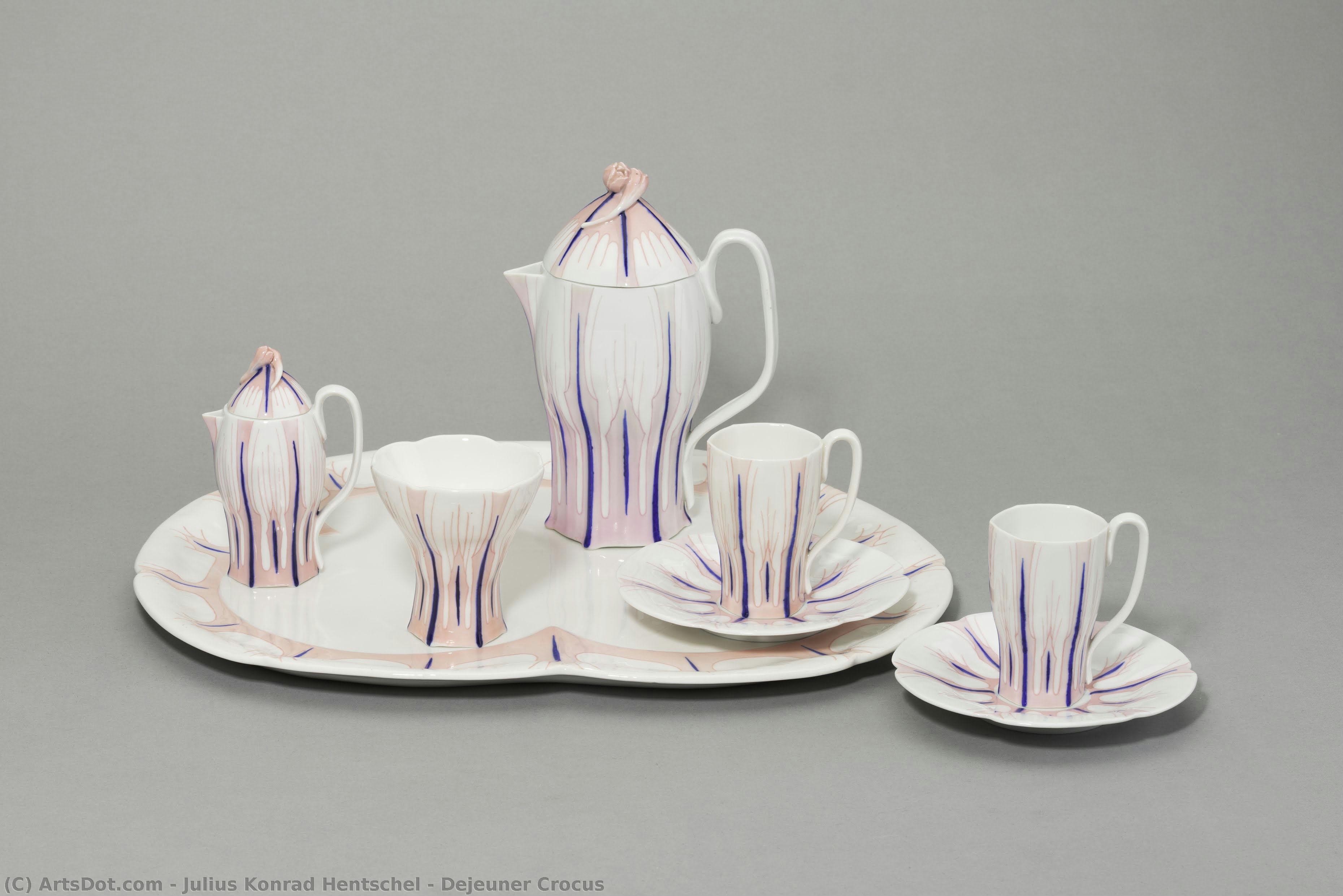
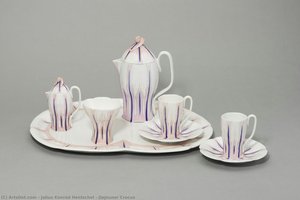
Dejeuner Crocus

 Read More
Hand Made Oil Reproduction
Hand-painted oil on canvas in your size and frame, made to order by our artists. ( Buy Print Buy Image)




































Pick from our preset sizes that match the artwork's original proportions.

You may enter your own dimensions to fit a specific frame or space. If your selected size does not match the original image's proportions, we will either crop the artwork or extend the painting with additional hand-painted elements. A digital mockup will be sent for your approval before production begins.
Please note that the on-screen preview does not reflect the actual cropping or extension. Only the mockup will accurately show the final composition.
While custom sizes are available, we recommend selecting a dimension from the predefined list to preserve the original proportions.
After order, ArtsDot.com team will email client for instructions and provide a mockup preview
Worldwide Delivery () in 3/4 weeks instead of standard 5 weeks. (25 August). No compromise on quality.

Free Worldwide Express Shipping

High-Quality Linen Canvas

Full Shipping Insurance

Customs Tax Refund Guarantee

True Color Matching Guarantee

60-Day Return Policy (Defects Only)

100% Money-Back Guarantee

Bulk Discount Offer
 Glass option is only available in size under 110 CM

Dejeuner Crocus
Reproduction Medium
Reproduction Size
-


Total Price
$ 263
Related Artworks





Artist Biography
The Porcelain Visionary of Meissen
In the delicate intersection of clay and fine art, few names resonate with as much elegance as Julius Konrad Hentschel. Born in 1872 in Cölln bei Meißen, Germany, Hentschel was destined to become a central figure in the evolution of German porcelain. His very lineage was steeped in the traditions of the legendary Meissen Manufactory, where his father, Julius Konrad Hentschel Sr., had already pioneered the breathtaking pâte-sur-pâte technique. This method, which involves layering porcelain glaze over biscuit clay to create a luminous, sculptural relief, provided the technical foundation upon which the younger Hentschel would build his artistic legacy. His early life was defined by this pursuit of perfection, shaped by rigorous training at the Meissen Drawing School and later at the prestigious Kunstakademie München. These formative years instilled in him a profound reverence for naturalistic forms and a meticulous attention to the minute details that define high-order craftsmanship.
Hentschel’s professional journey was one of steady ascent and technical mastery. Returning to the Meissen Manufactory in 1894, he initially served as a bossierer, an artisan tasked with the vital preparation of clay molds. This intimate contact with the raw materials of his craft allowed him to understand the soul of porcelain before he ever took up the designer's brush. By 1896, his talent had earned him a formal appointment as a designer, a role that allowed him to translate the burgeoning aesthetics of the Jugendstil movement into tangible, ceramic masterpieces. His work became a bridge between traditional German craftsmanship and the avant-garde spirit of Art Nouveau, characterized by flowing organic lines and a rhythmic, almost musical, sense of movement.
A Legacy in Bloom and Childhood
The zenith of Hentschel’s career arrived with the dawn of the new century, most notably at the 1900 Paris World Exposition. It was here that he unveiled his monumental ensemble, ‘Dejeuner Crocus’, a work that would forever cement his reputation on the international stage. This ambitious porcelain collection captured the very essence of the Jugendstil era, utilizing delicate pastel hues and intricate floral motifs—specifically the crocus—to evoke an atmosphere of ethereal beauty. Through this work, Hentshel demonstrated how porcelain could transcend mere utility to become a medium for poetic expression, mirroring the organic harmony found in the natural world.
Beyond his grander ensembles, Hentschel’s most tender and enduring contribution to the art world lies in the ‘Hentschel-Kinder’. This exquisite series of twelve porcelain figures represents a pinnacle of character modeling, capturing the innocence and charm of childhood with unparalleled delicacy. These figurines are not merely decorations but studies in emotion and form, showcasing his ability to imbue cold porcelain with warmth and life. Though his life was tragically short, ending in 1907, the impact of his artistry remains profound:
- Technical Innovation: He successfully integrated the complex pâte-sur-pâte traditions of his father into the modern Jugendstil aesthetic.
- Artistic Mastery: His ability to blend floral naturalism with the stylized, flowing lines of Art Nouveau defined a new era for Meissen.
- Cultural Impact: Through works like the 'Hentschel-Kinder', he created a lasting icon of German ceramic art that continues to be cherished by collectors worldwide.
Today, the work of Julius Konrad Hentschel stands as a testament to a brief but brilliant era of German decorative arts. His ability to marry the technical rigors of the Meissen tradition with the whimsical, organic spirit of the Jugendstil movement ensures that his name remains synonymous with the very height of porcelain excellence.
julius konrad hentschel
1872 - 1907 , Germany
Quick Facts
- Artistic Movement Or Style: Meissen Jugendstil
- Artists Or Movements Influenced By This Artist: ['Art Nouveau']
- Artists Who Influenced This Artist: ['Julius Konrad Hentschel']
- Date Of Birth: June 3, 1872
- Date Of Death: 1907
- Full Name: Julius Konrad Hentschel
- Nationality: German
- Notable Artworks:
- Dejeuner Crocus
- Hentschel-Kinder
- Place Of Birth: Cölln bei Meißen, Germany

