

 Preview
 Send
Send Share
Share
 Details

 Download
 Similars
 X-Ray
X-Ray Diaporama
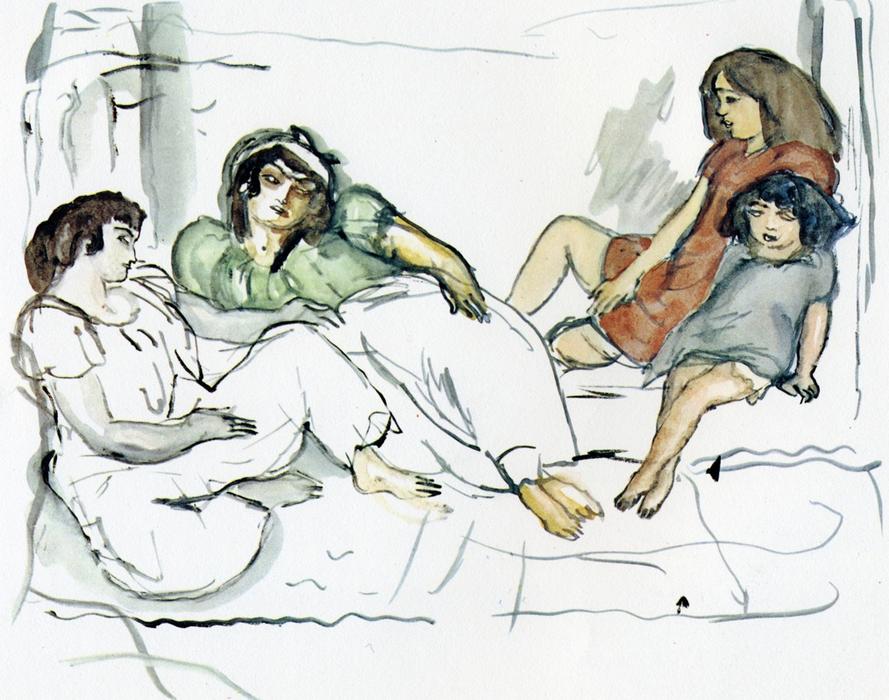
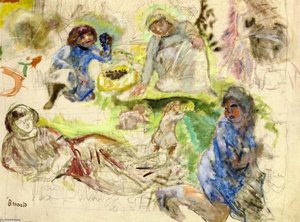
Woman and Children in the Orient


 Read More
Purchase a high-resolution, enhanced digital image, far superior to the online preview.
Each file is meticulously prepared by our in-house specialists using advanced tools and expert manual retouching. We ensure every image has exceptional clarity, precise color accuracy, and fine detail.
The final file is delivered via email within 72 hours, optimized for immediate use in professional, editorial, and print environments. This is the same quality trusted by top-tier design studios, publishers, and galleries.
Digital Image
Download a high-resolution file for personal display, printing, and creative projects. ( Buy Print Buy Hand Made Painting)
Included in Every Digital Image Order
Expert Digital Delivery, Guaranteed
When you choose ArtsDot.com, you're not just getting an image - you're receiving a professionally enhanced digital artwork, crafted with precision and backed by a satisfaction guarantee. Here's everything that comes with your order, automatically:

Fast Email Delivery
Your high-resolution digital image file will be emailed to you within 72 hours of ordering - ready for immediate use.

AI-Enhanced Digital File
Your artwork is professionally optimized using advanced AI tools and manual editing, ensuring maximum detail, clarity, and color accuracy.

Free Lifetime Re-Delivery
Accidentally deleted or lost your file? No worries - we'll resend it to you anytime, free of charge.

No Import Fees - Ever
Enjoy your artwork instantly with zero customs, duties, or delivery fees - digital downloads are always tax-free.

Color Accuracy Guarantee
We ensure your digital image reflects the original colors as closely as possible using professional tools and color management.

60-Day Satisfaction Guarantee
If you're not satisfied with your digital image, we'll revise it or refund 100% within 60 days - no questions asked.

100% Money-Back Guarantee
Not satisfied? Get a full refund within 60 days of receiving your digital file - no questions asked.

Bulk Order Discounts
Buy 3 images, save 10% - Buy 5, save 15% - Buy 10+, save 20%. Great for creative projects, galleries, and agencies.
A Moment of Quietude: Julius Mordecai Pincas’ “Woman and Children in the Orient”
Julius Mordecai Pincas, known affectionately as Jules Pascin, possessed an extraordinary ability to distill emotion onto canvas – a gift honed during his formative years in Bulgaria and ultimately realized within the vibrant, bohemian atmosphere of Paris. His 1929 painting, “Woman and Children in the Orient,” isn’t merely a depiction of a family; it's a carefully constructed tableau brimming with understated longing and a palpable sense of timelessness. The artwork immediately draws the viewer into a dimly lit interior, suggesting a modest dwelling somewhere within the exotic landscapes of the East – though the precise location remains deliberately ambiguous, contributing to its universal appeal.
The painting’s style is firmly rooted in early Impressionism and Expressionism, a potent blend that Pincas masterfully employed. Bold, black outlines delineate the figures and objects, creating an immediate sketch-like quality reminiscent of charcoal studies. These lines aren't sharply defined; instead, they possess a certain looseness, a spontaneity that reflects the artist’s intuitive approach to capturing gesture and form. The color palette is deliberately muted – a symphony of whites, creams, browns, greens, and subtle hints of red and grey – applied in broad washes rather than meticulous detail. This restrained use of color amplifies the painting's overall mood, fostering a sense of quiet contemplation and inviting the viewer to fill in the visual gaps with their own interpretations.
Deconstructing the Composition: Gesture and Atmosphere
The composition itself is remarkably informal, eschewing traditional notions of balance or focal point. The figures – a woman and several children – are clustered together within a relatively shallow space, arranged with an almost casual grace. There’s no single dominant element vying for attention; instead, the eye wanders naturally across the group, absorbing their collective presence. This deliberate lack of hierarchy reinforces the painting's theme of familial intimacy and shared experience. The artist skillfully utilizes overlapping forms to suggest proximity, creating a sense of warmth and connection despite the limited spatial depth.
Pincas’ technique is characterized by his masterful use of watercolor – a medium perfectly suited to conveying atmosphere and emotion. He builds up layers of translucent washes, allowing the colors to bleed into one another, producing a soft, luminous effect. Brushstrokes are visible but not overly assertive; they contribute to the painting's tactile quality without disrupting its overall sense of serenity. The diffused lighting, absent of strong highlights or shadows, further enhances this atmosphere of gentle intimacy, evoking a feeling of being enveloped in a warm embrace.
Symbolism and Emotional Resonance
The title, “Woman and Children in the Orient,” immediately conjures images of exotic locales and ancient traditions. While the specific cultural context remains elusive, the painting undeniably evokes feelings of warmth, tenderness, and perhaps even a touch of nostalgia. The woman’s posture suggests a moment of quiet observation, while the children appear absorbed in their own world – a scene ripe with unspoken stories and familial bonds. Pincas doesn't offer explicit narratives; instead, he invites us to project our own emotions and experiences onto the canvas.
Considering Pincas’ biography—his early life in Bulgaria, his time spent studying art in Vienna and Munich, and ultimately his embrace of Parisian artistic circles—it’s clear that “Woman and Children in the Orient” reflects a synthesis of influences. The painting embodies elements of Impressionism's focus on capturing fleeting moments and Expressionism’s exploration of inner emotions. It’s a testament to Pincas’ ability to distill complex ideas into simple, evocative forms – a skill that cemented his place as a key figure in the School of Paris.
A Timeless Masterpiece: Reproduction and Beyond
Reproductions of “Woman and Children in the Orient” offer an exceptional opportunity to bring this captivating artwork into any interior space. The painting’s muted palette and atmospheric quality seamlessly integrate with a wide range of décor styles, from classic European interiors to contemporary minimalist designs. Its inherent sense of tranquility makes it particularly well-suited for bedrooms, living rooms, or study spaces – areas where contemplation and connection are valued. The artwork's enduring appeal lies not only in its aesthetic beauty but also in its ability to evoke a profound emotional response, reminding us of the simple joys of family and the power of quiet moments.
Related Artworks
Artist Biography
Julius Mordecai Pincas (Jules Pascin): A Biography
Early Life and Origins
- Birth and Family: Julius Mordecai Pincas, known as Jules Pascin, was born on March 31, 1885, in Vidin, Bulgaria. He came from a wealthy Sephardic Jewish family involved in grain trading.
- Early Influences: The family moved to Bucharest in 1892, where young Julius first showed an interest in art, even sketching at a local brothel. His early artistic inclinations were initially met with disapproval from his father.
- Education and Pseudonym: He studied art in Vienna (1902) and Munich (1903), where he connected with artists like Paul Klee and Wassily Kandinsky. To avoid family embarrassment regarding his satirical drawings, he adopted the pseudonym “Pascin” – an anagram of his surname.
Parisian Years and Artistic Development
- Arrival in Paris: In 1905, Pascin moved to Paris, becoming part of the vibrant artistic community. He quickly integrated into circles like “Les Dômiers” at Café le Dome.
- Early Style and Influences: His early Parisian works were influenced by Fauvism and Cézanne, focusing on portraits and nudes. He also studied at the Académie Matisse and drew inspiration from 18th-century masters like Greuze and Watteau.
- Developing a Unique Voice: Pascin’s style evolved to become distinctly his own – characterized by bold colors, expressive brushwork, and often depicting intimate scenes of modern life. He excelled in watercolors, drawings, and paintings.
Themes and Artistic Style
- Recurring Subjects: Women were a central theme in Pascin’s work, portrayed in casual, often nude or partially dressed poses. He captured their vulnerability and sensuality with remarkable sensitivity.
- Bold Colors & Composition: His paintings are known for their vibrant color palettes and carefully balanced compositions. He skillfully used light and shadow to create depth and atmosphere.
- Psychological Depth: Beyond mere representation, Pascin’s work often hinted at underlying psychological complexities and emotional states of his subjects.
Major Works and Achievements
- Nude with a Green Hat (1925): A striking example of his nude studies, showcasing his mastery of color and form. Currently housed at the Cincinnati Art Museum.
- Little Girl on an Armchair (1925): Demonstrates his ability to capture innocence and beauty in a domestic setting.
- Loose Women (1911): A provocative work that reflects the changing social norms of the early 20th century.
- Portrait of Hermine David (1918): A notable portrait held at the Musée National d'Art Moderne, Centre Pompidou in Paris.
Historical Significance and Legacy
- School of Paris: Pascin was a prominent figure within the School of Paris – a collective of expatriate artists who shaped modern art in the early 20th century.
- Influence on Later Artists: His work influenced subsequent generations of artists with its expressive style and focus on human emotion.
- Tragic End: Despite his artistic success, Pascin struggled with depression and alcoholism throughout his life. He tragically took his own life in 1930 at the age of 45.
- Continued Appreciation: Today, Jules Pascin’s paintings are celebrated for their beauty, sensitivity, and historical significance. His works can be found in major museums worldwide and continue to inspire art lovers through reproductions offered by platforms like ArtsDot.com.
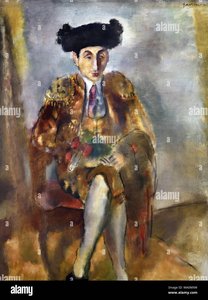
julius mordecai pincas
1885 - 1930 , Bulgaria
Quick Facts
- Birth Date: 1885-03-31
- Birth Place: Vidin, Bulgaria
- Death Date: 1930-06-02
- Influenced By:
- Impressionism
- Cézanne
- Fauvism
- Movement: School of Paris, Expressionism
- Name: Julius Mordecai Pincas (Jules Pascin)
- Nationality: Bulgarian, American
- Notable Works:
- Nude with a Green Hat
- Little Girl on an Armchair
- Loose Women
- Portrait of Hermine David

