 Preview
 Send
Send Share
Share
 Details

 Download
 Similars
 X-Ray
X-Ray Diaporama
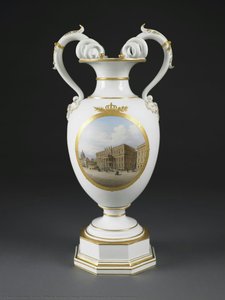
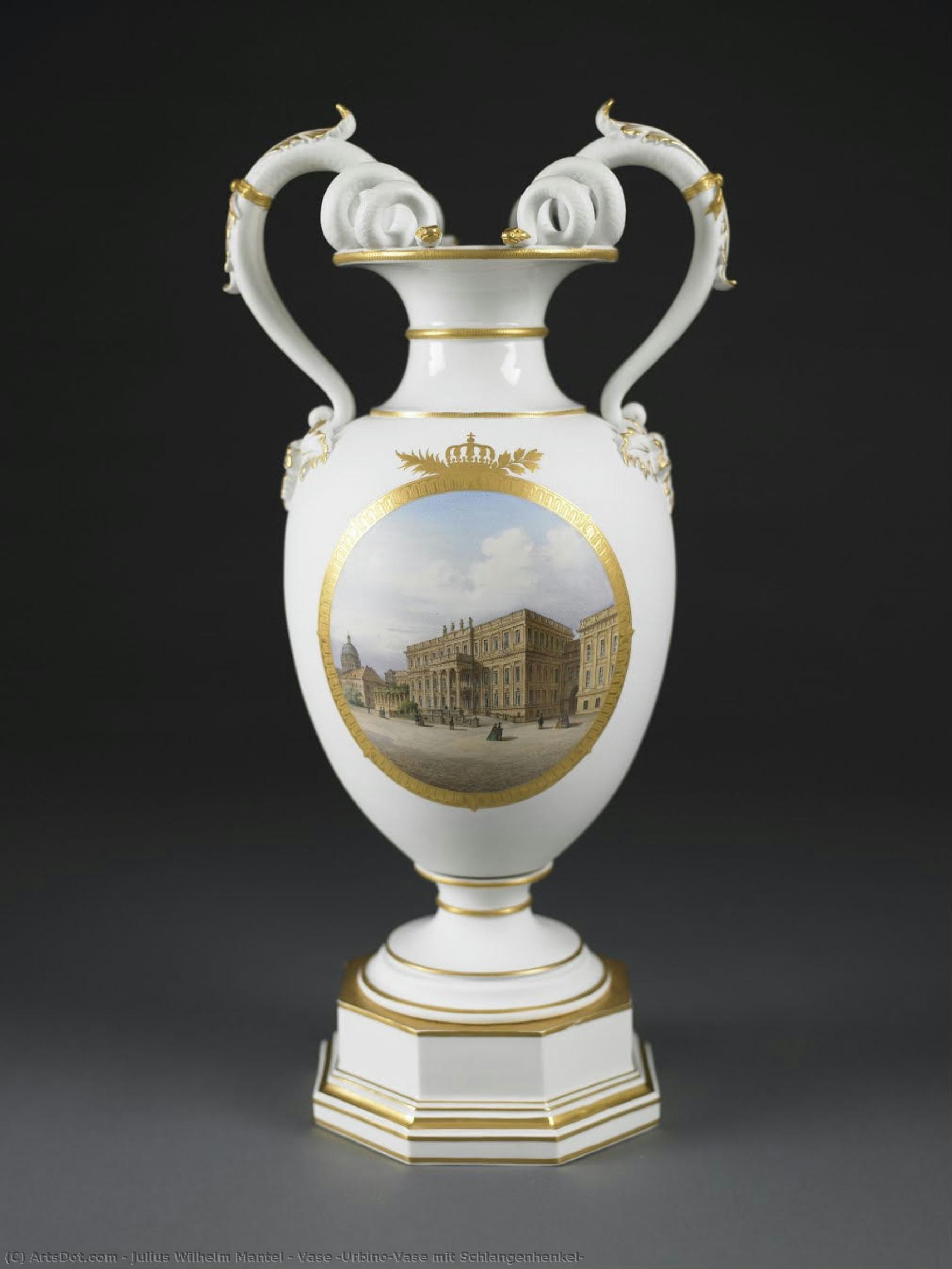
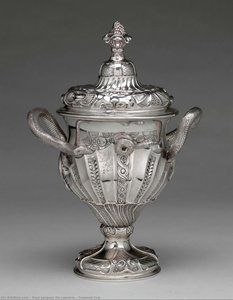
Vase (Urbino-Vase mit Schlangenhenkel)

 Read More
Hand Made Oil Reproduction
Hand-painted oil on canvas in your size and frame, made to order by our artists. ( Buy Print Buy Image)




































Pick from our preset sizes that match the artwork's original proportions.

You may enter your own dimensions to fit a specific frame or space. If your selected size does not match the original image's proportions, we will either crop the artwork or extend the painting with additional hand-painted elements. A digital mockup will be sent for your approval before production begins.
Please note that the on-screen preview does not reflect the actual cropping or extension. Only the mockup will accurately show the final composition.
While custom sizes are available, we recommend selecting a dimension from the predefined list to preserve the original proportions.
After order, ArtsDot.com team will email client for instructions and provide a mockup preview
Worldwide Delivery () in 3/4 weeks instead of standard 5 weeks. (28 August). No compromise on quality.

Free Worldwide Express Shipping

High-Quality Linen Canvas

Full Shipping Insurance

Customs Tax Refund Guarantee

True Color Matching Guarantee

60-Day Return Policy (Defects Only)

100% Money-Back Guarantee

Bulk Discount Offer
 Glass option is only available in size under 110 CM

Vase (Urbino-Vase mit Schlangenhenkel)
Reproduction Medium
Reproduction Size
-


Total Price
$ 263
Related Artworks




Artist Biography
Early Life and Artistic Beginnings in Berlin
Julius Wilhelm Mantel, born in Berlin in 1820, emerged from a city steeped in Prussian tradition yet increasingly receptive to the currents of Romanticism and burgeoning Realism. While biographical details surrounding his early life remain somewhat scarce, it is known that he received his foundational training as a modeler, a craft deeply intertwined with the decorative arts flourishing in Berlin during the first half of the 19th century. He studied under Karl and Ludwig Wichmann, figures who championed a neo-classical aesthetic—a style that would initially shape Mantel’s artistic sensibilities. This early exposure instilled in him a meticulous attention to form and detail, qualities that would become hallmarks of his later work. However, Berlin itself was undergoing transformation, and the rigid adherence to classical ideals began to loosen as new influences permeated the art world.
A Master Modeler at the Royal Porcelain Manufactory
Mantel’s career took a significant turn in 1841 when he assumed the position of chief sculptor and modeler at the prestigious Königliche Porzellan Manufaktur Berlin (Royal Porcelain Factory). This appointment marked a pivotal moment, providing him with both creative freedom and access to cutting-edge techniques. For over four decades—until 1884—Mantel oversaw the production of an extraordinary range of porcelain objects, from delicate tableware to elaborate ornamental sculptures. The factory’s director, Georg Kolbe, played a crucial role in steering Mantel towards a more Renaissance-inspired style during the 1860s. This shift reflected a broader trend within European art, as artists and designers looked back to earlier periods for inspiration. Mantel's work from this period demonstrates a remarkable ability to blend classical precision with the renewed interest in historical motifs.
Earthenware Dishes, Religious Art, and Satirical Works
While best known for his contributions to porcelain production, Mantel’s artistic output extended far beyond the confines of the factory. He produced a diverse body of work encompassing religious art, satirical pieces, and designs that engaged with the political and social upheavals of his time—particularly those surrounding the Reformation. His earthenware dishes, such as the exquisite “Urbino-Vase mit Schlangenhenkel” (Urbino Vase with Snake Handles) created in 1865, showcase a masterful command of form and glaze. These pieces weren’t merely functional objects; they were works of art intended to be admired for their aesthetic qualities. His satirical artwork reveals a keen observational eye and a willingness to comment on contemporary society, while his religious pieces demonstrate a deep understanding of iconography and narrative composition.
Contributions to Book Design and Historical Significance
Mantel’s influence wasn't limited to sculpture and ceramics; he also made significant contributions to the field of book design. He created intricate illustrations and decorative elements for numerous publications, showcasing his versatility as an artist. His work in this area highlights a broader trend within 19th-century art—the increasing integration of different artistic disciplines. While not widely celebrated during his lifetime, Julius Wilhelm Mantel’s legacy endures through the surviving examples of his porcelain creations and other artworks. He represents a fascinating figure who bridged the gap between classical tradition and the evolving aesthetic sensibilities of the 19th century. His ability to adapt to changing styles while maintaining a commitment to technical excellence cemented his position as an important, if often overlooked, artist in German art history.
A Lasting Impression
Mantel’s work provides valuable insight into the artistic climate of Berlin during the 19th century. He was not simply a craftsman executing designs; he was a creative force who shaped the aesthetic direction of the Royal Porcelain Manufactory and contributed to a broader cultural dialogue. His pieces, often characterized by their meticulous detail and historical references, continue to captivate audiences today. His influence can be seen in the continued appreciation for high-quality porcelain and decorative arts. Mantel’s story serves as a reminder that artistic innovation often occurs within established institutions, and that even seemingly “minor” art forms—like ceramics—can hold significant cultural value.

julius wilhelm mantel
1820 - 1896 , Germany
Quick Facts
- Artistic Movement Or Style: Realism, Satire
- Date Of Birth: 1820
- Date Of Death: 1896
- Full Name: Julius Wilhelm Mantel
- Nationality: German
- Notable Artworks:
- Vase (Urbino-Vase)
- Earthenware dishes
- Place Of Birth: Berlin, Germany