 Preview
 Send
Send Share
Share
 Details

 Download
 Similars
 X-Ray
X-Ray Diaporama
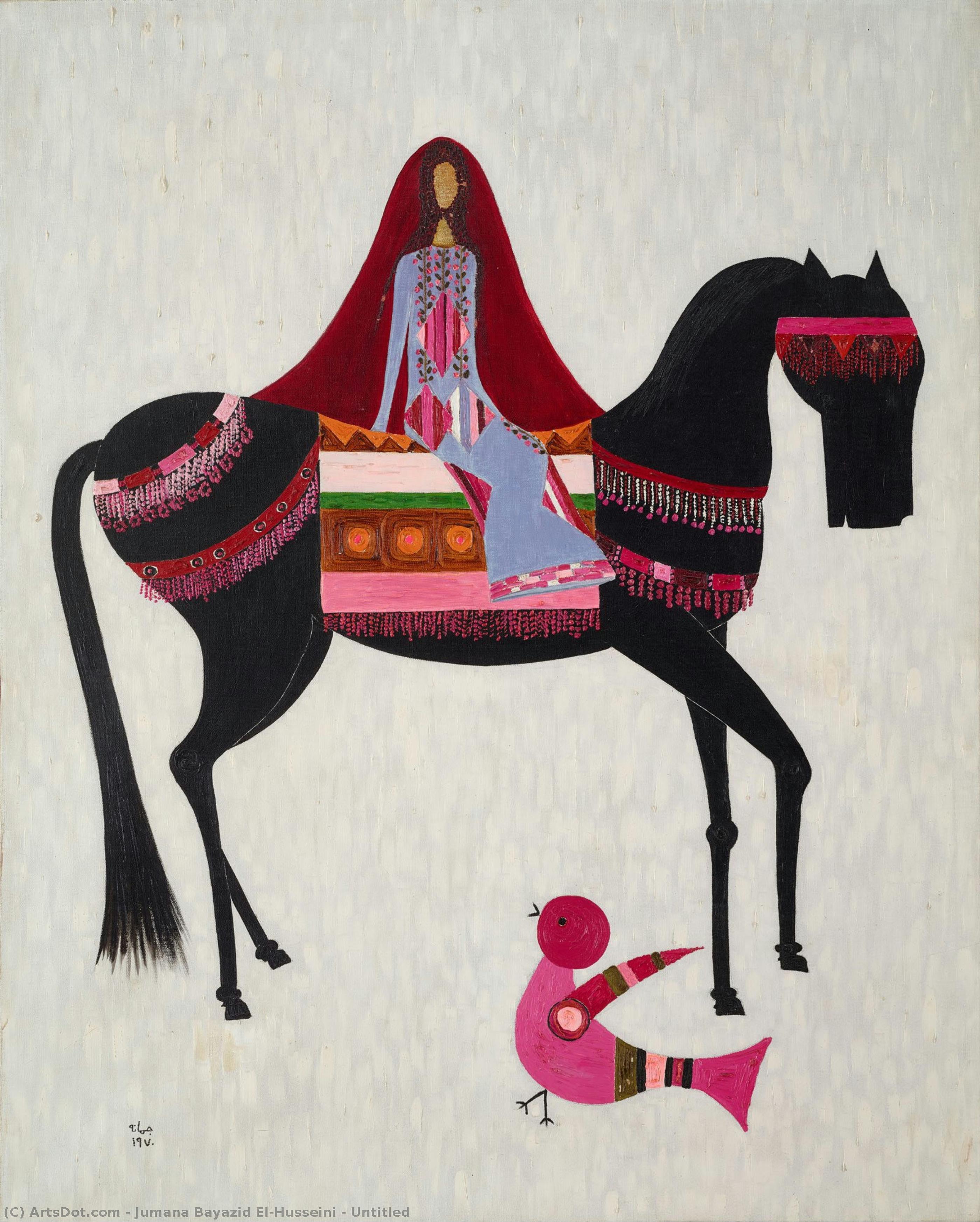
Untitled
 1970
1970 100.0 x 80.0 cm
 The Ramzi and Saeda Dalloul Art Foundation
 Read More
Hand Made Oil Reproduction
Hand-painted oil on canvas in your size and frame, made to order by our artists. ( Buy Print Buy Image)




































Pick from our preset sizes that match the artwork's original proportions.

You may enter your own dimensions to fit a specific frame or space. If your selected size does not match the original image's proportions, we will either crop the artwork or extend the painting with additional hand-painted elements. A digital mockup will be sent for your approval before production begins.
Please note that the on-screen preview does not reflect the actual cropping or extension. Only the mockup will accurately show the final composition.
While custom sizes are available, we recommend selecting a dimension from the predefined list to preserve the original proportions.
After order, ArtsDot.com team will email client for instructions and provide a mockup preview
Worldwide Delivery () in 3/4 weeks instead of standard 5 weeks. (24 August). No compromise on quality.

Free Worldwide Express Shipping

High-Quality Linen Canvas

Full Shipping Insurance

Customs Tax Refund Guarantee

True Color Matching Guarantee

60-Day Return Policy (Defects Only)

100% Money-Back Guarantee

Bulk Discount Offer
 Glass option is only available in size under 110 CM

Untitled
Reproduction Medium
Reproduction Size
-


Total Price
$ 263
Related Artworks




Artist Biography
Richard Kemble: A Quiet Master of Woodcuts
Richard Kemble, born in Erie, Pennsylvania in 1932 and passing away in Nantucket, Massachusetts in 2007, was a quietly influential figure within the American printmaking world. Though he largely eschewed the limelight, his dedication to craft and profound understanding of woodcut technique resulted in over 350 meticulously executed editions – a testament to a lifetime spent observing and translating the natural world onto paper. Kemble’s work isn't characterized by grand gestures or overt statements; instead, it offers a serene beauty rooted in careful observation and a deep respect for traditional methods. His career, spanning nearly five decades, reveals an artist who consistently refined his skills while remaining remarkably consistent in his aesthetic vision.Early Life and Artistic Foundations
Kemble’s artistic journey began with formal training at the State University of Buffalo, where he honed his foundational skills as a teacher for almost twenty years before dedicating himself fully to his art. This period of teaching provided him with invaluable experience in communicating visual concepts and fostering an appreciation for the creative process within others. Crucially, Kemble’s early exposure to printmaking was solidified by receiving one of the first print-maker’s fellowships from the National Endowment for the Arts in 1974 – a pivotal moment that allowed him to explore his artistic potential without the constraints of commercial demands. This fellowship marked a turning point, freeing him to pursue his passion with renewed vigor and establishing a foundation upon which he would build his distinctive style. His background as an educator also instilled in him a meticulous approach to detail and a commitment to precision, qualities that are immediately apparent in his prints.The Language of Woodcut
Kemble’s artistic signature lies almost entirely within the medium of woodcut. He possessed an extraordinary command of this ancient technique, mastering its inherent challenges and exploiting its unique possibilities. Unlike more contemporary printmaking methods, woodcut demanded a deep understanding of both design and material – the artist had to consider not only what would be printed but also how the wood itself would respond to the carving process. Kemble’s prints are characterized by their subtle gradations of tone achieved through careful manipulation of line weight and texture. He rarely employed bright colors, instead relying on the rich browns and grays produced by the wood itself, creating a sense of understated elegance and timelessness. His landscapes, often depicting scenes from the New England coast and the Massachusetts countryside, are rendered with remarkable sensitivity to light and shadow, capturing the essence of these locations with quiet precision.Themes and Influences
While Kemble’s work is primarily observational, it's not devoid of underlying themes. Recurring motifs include depictions of trees, water, and the changing seasons – elements that evoke a sense of connection to nature and a reverence for the natural world. His prints are often imbued with a contemplative mood, inviting viewers to pause and reflect on their relationship with the environment. Although he resisted categorization, Kemble’s work can be seen as influenced by the traditions of Japanese woodblock printing (Ukiyo-e), particularly in its emphasis on capturing fleeting moments and conveying atmospheric effects. The influence of European landscape painters like Constable and Turner is also evident in his use of light and color, though filtered through a distinctly American sensibility.Legacy and Significance
Richard Kemble’s contribution to American printmaking may not be widely recognized by the general public, but within the art community he is held in high regard as a master craftsman and a quiet innovator. His dedication to woodcut technique, his meticulous attention to detail, and his profound understanding of light and atmosphere have produced a body of work that is both beautiful and enduring. His prints are now found in numerous private collections and museum holdings, testament to their artistic merit and lasting appeal. Kemble’s legacy lies not in grand pronouncements or revolutionary gestures, but in the quiet beauty and understated elegance of his woodcut landscapes – a reminder of the power of observation, craft, and a deep connection to the natural world. His work stands as a subtle yet significant contribution to the rich tapestry of American art history.
jumana bayazid el-husseini
1932 - 2018 , Palestine
Quick Facts
- Artistic Movement Or Style: Photorealism
- Artists Or Movements Influenced By This Artist: ['Chuck Close']
- Artists Who Influenced This Artist:
- Edgar Degas
- Edward Hopper
- Date Of Birth: May 14, 1932
- Full Name: Richard Estes
- Nationality: American
- Notable Artworks: ['Telephone Booths']
- Place Of Birth: New York City, USA