 Preview
 Send
Send Share
Share
 Details

 Download
 Similars
 X-Ray
X-Ray Diaporama
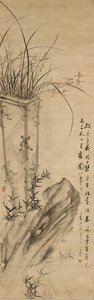
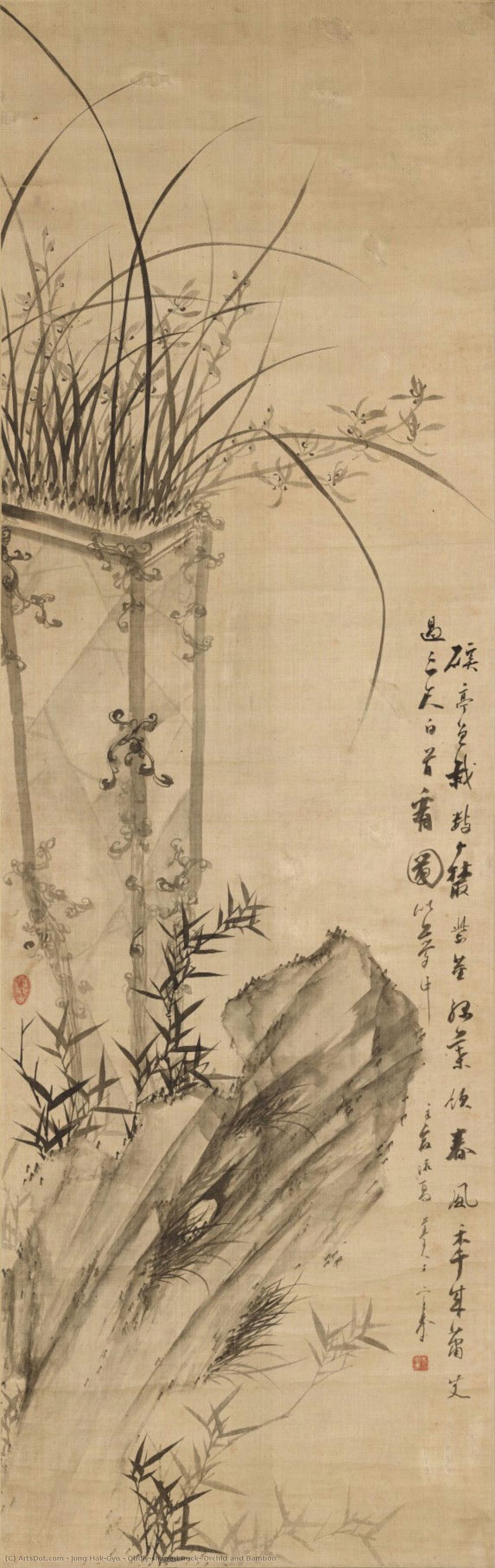
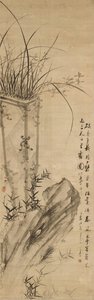
Oddly-shaped Rock, Orchid and Bamboo
 145.0 x 45.0 cm
 Horim Museum
 Read More
Giclée / Art Print
Museum-quality giclée or canvas print with fast production and flexible finish options. ( Buy Hand Made Painting Buy Image)




































Pick from our preset sizes that match the artwork's original proportions.

You may enter your own dimensions to fit a specific frame or space. If your selected size does not match the original image's proportions, we will either crop the artwork or extend the image with a mirrored or solid-fill edge. A digital mockup will be sent for your approval before production begins.
Please note that the on-screen preview does not reflect the actual cropping or extension. Only the mockup will accurately show the final composition.
While custom sizes are available, we recommend selecting a dimension from the predefined list to preserve the original proportions.
Worldwide Delivery () in 2 weeks instead of standard 4/5 weeks. (24 August)

Free Worldwide Express Shipping

High-Quality Linen Canvas

Full Shipping Insurance

Customs Tax Refund Guarantee

True Color Matching Guarantee

60-Day Return Policy (Defects Only)

100% Money-Back Guarantee

Bulk Discount Offer
 Glass option is only available in size under 110 CM

Oddly-shaped Rock, Orchid and Bamboo
Giclée / Art Print
Reproduction Size
-


Total Price
$ 63
Related Artworks




Artist Biography
The Serene Legacy of Jung Hak-gyo
In the annals of Korean art history, few names evoke the quiet majesty of the Joseon Dynasty quite like Jung Hak-gy gyo. Living from 1832 to 1914, this master of the brush possessed a rare ability to translate the profound stillness of the natural world onto the delicate surface of silk. His life and work represent a pinnacle of Korean landscape tradition, where every stroke serves as a meditation on the harmony between the earthly realm and the spiritual essence of nature. Born into a lineage deeply rooted in artistic practice, Hak-gyo did not merely paint scenery; he captured the very breath of the mountains and the silent strength of the earth.
The foundation of his incomparable skill was laid during his formative years, as he studied under the guidance of Korea's most esteemed painters. Through this rigorous training, he absorbed the sophisticated principles of Ming Dynasty landscape painting, integrating complex theories of composition and color into his own burgeoning style. This education provided him with a structural mastery that allowed him to balance vast, sweeping vistas with intimate, microscopic details. As his technique matured, Hak-gyo developed a visual language that was uniquely his own—one that moved away from mere imitation toward a deeply personal expression of the Korean landscape.
Mastery of Silk and Symbolism
What distinguishes a Jung Hak-gyo masterpiece is the meticulous, almost meditative application of pigment to silk. Unlike the more rugged textures found in ink wash paintings on paper, Hak-gyo’s preference for silk demanded an extraordinary level of precision and patience. He worked with a palette of muted, earthy tones—soft greens, deep browns, and ethereal blues—to create atmospheres that feel both tangible and dreamlike. This delicate technique allowed him to render the subtle gradations of light and shadow, lending a palpable sense of tranquility to his landscapes.
Beyond the technical brilliance, his work is a profound tapestry of Confucian symbolism. To gaze upon a Hak-gyo painting is to read a silent poem where every element carries a weight of philosophical meaning:
- Oddly Shaped Rocks: These rugged features serve as symbols of stability, permanence, and the unyielding resilience of the spirit.
- Orchids: Often depicted with delicate grace, they embody purity, refinement, and the elegance of a virtuous character.
- Bamboo: Representing strength and uprightness, the bamboo stands as a testament to integrity and the ability to bend without breaking under pressure.
A Lasting Impression on Korean Art
The historical significance of Jung Hak-gyo lies in his role as a bridge between tradition and a refined, localized aesthetic. While he drew heavily from continental influences, his heart remained firmly planted in the landscapes of Korea. His ability to weave these external artistic philosophies with local sensibilities created a body of work that feels both timeless and deeply rooted in the Korean identity. His most celebrated works, such as “Oddly Shaped Rock, Orchid and Bamboo,” continue to resonate with modern viewers, offering a sanctuary of peace in an increasingly chaotic world.
Today, Hak-gyo is remembered not just as a skilled technician, but as a poet of the brush. His enduring legacy continues to inspire those who seek beauty in simplicity and strength in stillness. Through his exquisite silk paintings, he has ensured that the quiet dignity of the Joseon era remains vibrantly alive, inviting every generation to rediscover the profound beauty found in the subtle textures of the natural world.
jung hak-gyo
1832 - 1914 , South Korea
Quick Facts
- Artistic Movement Or Style: Silk Painting
- Date Of Birth: 1832
- Date Of Death: 1914
- Full Name: Jung Hak-gyo
- Nationality: Korean
- Notable Artworks: ['Oddly Shaped Rocks, Orchid and Bamboo']
- Place Of Birth: South Korea