

 Preview
 Send
Send Share
Share
 Details

 Download
 Similars
 X-Ray
X-Ray Diaporama
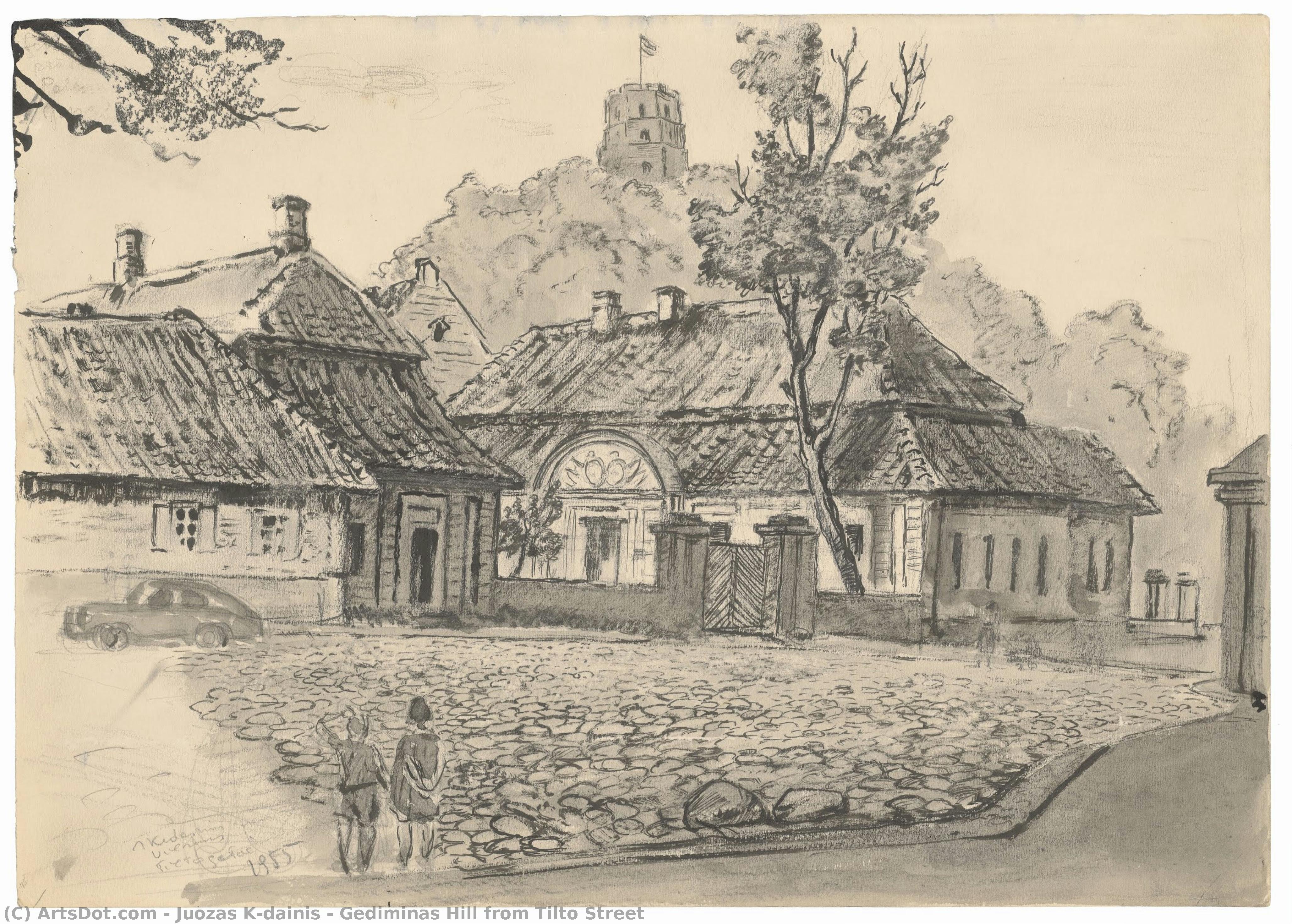
Gediminas Hill from Tilto Street


 Read More
Purchase a high-resolution, enhanced digital image, far superior to the online preview.
Each file is meticulously prepared by our in-house specialists using advanced tools and expert manual retouching. We ensure every image has exceptional clarity, precise color accuracy, and fine detail.
The final file is delivered via email within 72 hours, optimized for immediate use in professional, editorial, and print environments. This is the same quality trusted by top-tier design studios, publishers, and galleries.
Digital Image
Download a high-resolution file for personal display, printing, and creative projects. ( Buy Print Buy Hand Made Painting)
Included in Every Digital Image Order
Expert Digital Delivery, Guaranteed
When you choose ArtsDot.com, you're not just getting an image - you're receiving a professionally enhanced digital artwork, crafted with precision and backed by a satisfaction guarantee. Here's everything that comes with your order, automatically:

Fast Email Delivery
Your high-resolution digital image file will be emailed to you within 72 hours of ordering - ready for immediate use.

AI-Enhanced Digital File
Your artwork is professionally optimized using advanced AI tools and manual editing, ensuring maximum detail, clarity, and color accuracy.

Free Lifetime Re-Delivery
Accidentally deleted or lost your file? No worries - we'll resend it to you anytime, free of charge.

No Import Fees - Ever
Enjoy your artwork instantly with zero customs, duties, or delivery fees - digital downloads are always tax-free.

Color Accuracy Guarantee
We ensure your digital image reflects the original colors as closely as possible using professional tools and color management.

60-Day Satisfaction Guarantee
If you're not satisfied with your digital image, we'll revise it or refund 100% within 60 days - no questions asked.

100% Money-Back Guarantee
Not satisfied? Get a full refund within 60 days of receiving your digital file - no questions asked.

Bulk Order Discounts
Buy 3 images, save 10% - Buy 5, save 15% - Buy 10+, save 20%. Great for creative projects, galleries, and agencies.
Collectible Description
Related Artworks









Artist Biography
A Life Sculpted in Stone: The World of Juozas Kėdainis
Juozas Kėdainis, born on December 31st, 1915, in the small Lithuanian village of Karaliūniškis, emerged as a defining voice in post-war Lithuanian sculpture. His life story is one interwoven with the tumultuous currents of the 20th century, reflecting both the hardships and the enduring spirit of his nation. Kėdainis wasn’t merely an artist; he was a chronicler of everyday existence, a translator of human experience into tangible form. He passed away on November 12th, 1998, in Kaunas, leaving behind a legacy that continues to resonate within the Lithuanian art landscape and beyond. His early education at Kupiškio Gymnasium laid a foundation for his artistic pursuits, but it was his formal training at the Kauno Art School from 1933 to 1939 that truly ignited his passion for sculpture. This period proved pivotal, shaping his initial aesthetic sensibilities and providing him with the technical skills he would later refine throughout his career.From Educator to Master: Shaping a Generation
Kėdainis’s dedication extended beyond his own artistic practice; he was deeply committed to nurturing the next generation of sculptors. He began teaching at the Kauno Art School in 1945, and subsequently held positions at the Kauno Academy of Arts until 1951. This commitment culminated in his appointment as a professor at the Vilnius Academy of Fine Arts in 1970, a role he maintained with unwavering dedication until his death. His influence on Lithuanian sculpture is immeasurable, having guided countless students and fostered a vibrant artistic community. He wasn’t simply imparting technical skills; he was instilling a philosophy—a belief in the power of art to reflect life, to capture emotion, and to serve as a testament to the human condition.Themes of Daily Life: A Sculptural Narrative
Kėdainis's work is characterized by its profound connection to everyday life. He eschewed grand historical narratives or abstract explorations, instead focusing on the beauty and dignity found in ordinary moments and common people. His sculptures often depict scenes of rural existence – farmers at work, families sharing quiet intimacy, individuals engaged in simple tasks. Kolūkio arklininkas (*The Collective Farm Horseman*, 1957) and Arkliaganis (*Horse Herder*, 1957) are prime examples of this focus, celebrating the labor and resilience of Lithuanian agricultural workers. These weren’t idealized representations; they were honest portrayals of a life deeply rooted in the land. He also explored decorative themes, as seen in Poilsis (*Rest*, 1959) in Druskininku, creating harmonious forms that blended seamlessly with their surroundings.Materials and Technique: A Versatile Approach
Kėdainis demonstrated remarkable versatility in his choice of materials, working extensively with wood, granite, marble, aluminum, iron, copper, and terracotta. This willingness to experiment allowed him to fully express the nuances of each subject matter. He was particularly adept at capturing texture and form, imbuing his sculptures with a sense of warmth and vitality. His mastery extended beyond carving and modeling; he played a significant role in reviving the art of copper working in Lithuania, pushing the boundaries of traditional techniques and exploring new possibilities within the medium. The reljefs for Panevėžio dramos teatrui (*Panevėžys Drama Theatre*, 1968) showcase his skill in creating intricate details and dynamic compositions, further solidifying his reputation as a technically accomplished artist.Historical Significance: A Reflection of Post-War Lithuania
Juozas Kėdainis’s work stands as a poignant reflection of post-war Lithuania—a nation rebuilding itself after immense hardship. His sculptures weren't overtly political statements; rather, they were subtle yet powerful affirmations of human resilience and the enduring spirit of community. He captured the essence of a society striving to regain its identity and rebuild its cultural heritage. Awarded the LSSR State Prize in 1958, Kėdainis received recognition for his contributions to Lithuanian art. His sculptures continue to be held in prestigious collections, including the Lithuanian National Art Museum, ensuring that his legacy will endure for generations to come. He left behind a body of work that is not only aesthetically compelling but also deeply meaningful—a testament to the power of art to capture the human spirit and preserve the memory of a nation.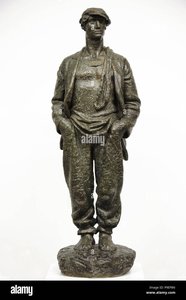
juozas kėdainis
1915 - 1998 , Lithuania
Quick Facts
- Artistic Movement Or Style: Figurative sculpture
- Date Of Birth: December 31, 1915
- Date Of Death: November 12, 1998
- Full Name: Juozas Kėdainis
- Nationality: Lithuanian
- Notable Artworks:
- Gediminas Hill from Tilto Street
- Kolūkio arklininkas
- Arkliaganis
- Poilsis
- Place Of Birth: Karaliuiskis, Lithuania

