 Preview
 Send
Send Share
Share
 Details

 Download
 Similars
 X-Ray
X-Ray Diaporama
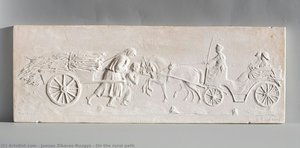
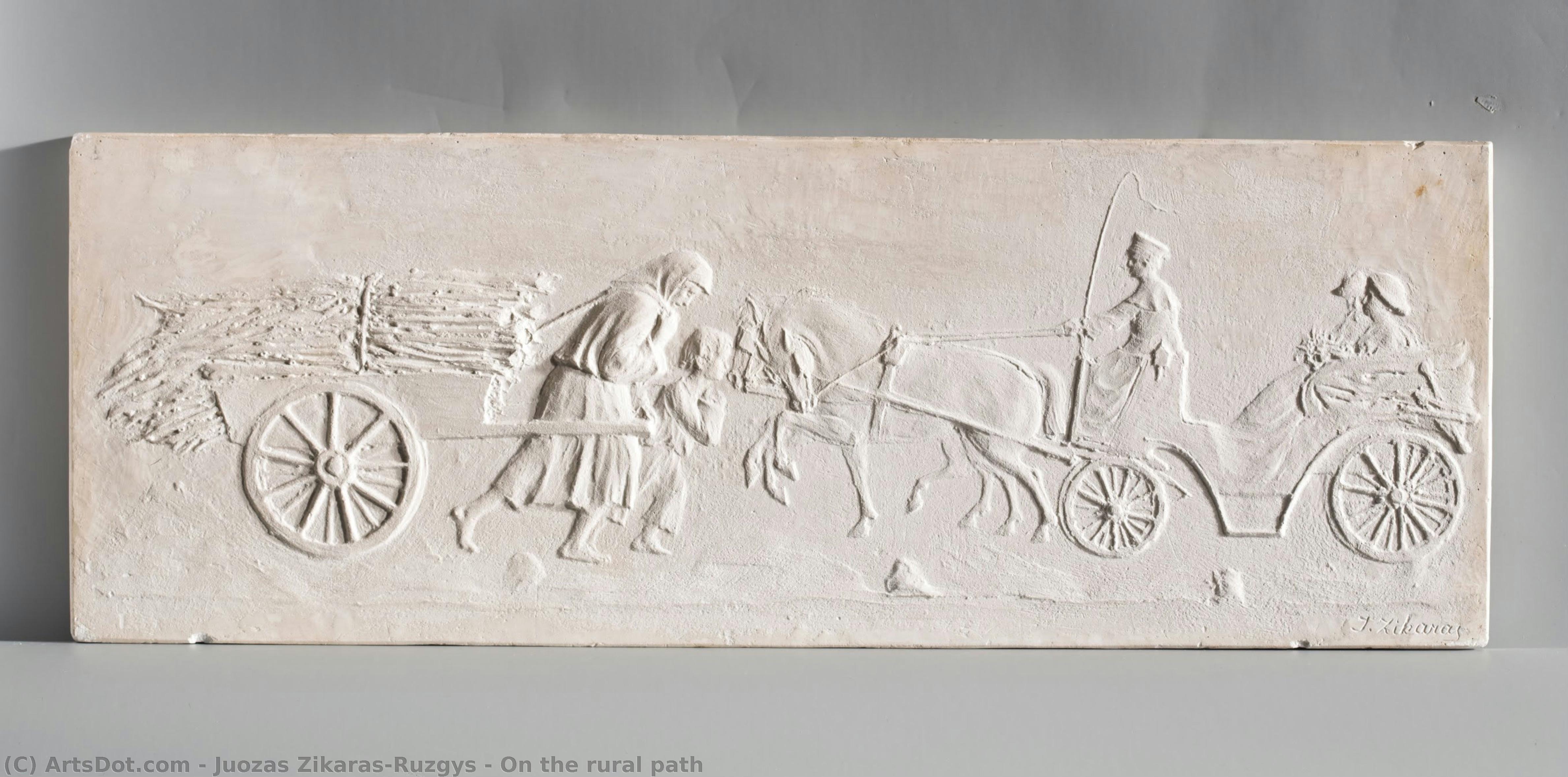
On the rural path


 Read More
Hand Made Oil Reproduction
Hand-painted oil on canvas in your size and frame, made to order by our artists. ( Buy Print Buy Image)




































Pick from our preset sizes that match the artwork's original proportions.

You may enter your own dimensions to fit a specific frame or space. If your selected size does not match the original image's proportions, we will either crop the artwork or extend the painting with additional hand-painted elements. A digital mockup will be sent for your approval before production begins.
Please note that the on-screen preview does not reflect the actual cropping or extension. Only the mockup will accurately show the final composition.
While custom sizes are available, we recommend selecting a dimension from the predefined list to preserve the original proportions.
After order, ArtsDot.com team will email client for instructions and provide a mockup preview
Worldwide Delivery () in 3/4 weeks instead of standard 5 weeks. (25 August). No compromise on quality.

Free Worldwide Express Shipping

High-Quality Linen Canvas

Full Shipping Insurance

Customs Tax Refund Guarantee

True Color Matching Guarantee

60-Day Return Policy (Defects Only)

100% Money-Back Guarantee

Bulk Discount Offer
 Glass option is only available in size under 110 CM

On the rural path
Reproduction Medium
Reproduction Size
-


Total Price
$ 263
Related Artworks






Artist Biography
Juozas Zikaras-Ruzgys: Echoes of Lithuania in Stone and Shadow
Born amidst the rolling hills of Paliūkai, near Panevėžys, in 1881, Juozas Zikaras-Ruzgys emerged from a landscape steeped in Lithuanian folklore and national identity. His early life, marked by the constraints of Tsarist Russia’s rule, would profoundly shape his artistic vision – a deep reverence for his homeland and a desire to capture its spirit through sculpture and painting. Zikaras wasn't merely an artist; he was a custodian of Lithuanian memory, meticulously crafting images that resonated with the nation’s yearning for independence.
Early Years and Artistic Training
Zikaras’ formal artistic education began in Vilnius at the Lev Trutnev Drawing School, followed by intensive studies under Józef Montwiłł in St. Petersburg. This exposure to both Baltic and Russian artistic traditions proved crucial, providing him with a technical foundation while simultaneously fueling his unique style – a synthesis of realism tempered by an intensely personal emotionality. His time in St. Petersburg wasn’t simply about acquiring skills; it was a period of self-discovery, as he wrestled with the complexities of identity within a larger empire.
- Vilnius (1904-1906): Initial training focused on drawing fundamentals and classical techniques.
- St. Petersburg (1907-1910): Study under Montwiłł exposed him to a more expressive, realist approach.
- Imperial Academy of Arts (1910-1915): Formal sculpting training culminated in his diploma work, setting the stage for his future career.
The Creation of Lithuania’s Currency and Beyond
Zikaras' most enduring legacy lies in his design for the pre-war Lithuanian lita coins – a powerful symbol of national pride and resilience. The iconic image, depicting a farmer tilling the land, became instantly recognizable and deeply ingrained in the collective consciousness of Lithuania. This commission wasn’t just about creating a monetary device; it was an act of artistic patriotism, imbuing a small coin with the essence of Lithuanian identity.
However, his contributions extended far beyond coinage. He also designed medals and other commemorative objects, consistently reflecting themes of national history, folklore, and rural life. His work during this period demonstrated a remarkable ability to translate complex historical narratives into accessible and emotionally resonant imagery.
A Turbulent Period and Tragic End
The turbulent years following World War I saw Zikaras grappling with the challenges of a newly independent Lithuania. He served as a teacher, imparting his knowledge to a generation of aspiring artists, while simultaneously navigating the political complexities of the era. Tragically, his commitment to his country ultimately led to his demise. Accused of harboring relatives involved in the Forest Brothers – resistance fighters battling Soviet forces – he was subjected to relentless interrogation and, on November 10, 1944, chose suicide over enduring further persecution.
This act of defiance cemented his status as a martyr for Lithuanian independence, a poignant symbol of sacrifice in the face of oppression.Legacy and Artistic Style
Juozas Zikaras-Ruzgys’s artistic style is characterized by a remarkable blend of realism and emotional depth. His portraits, particularly those depicting rural Lithuanians, are imbued with an intense sense of humanity – capturing not just physical likeness but also the spirit and dignity of his subjects. His landscapes often evoke a profound connection to the Lithuanian countryside, reflecting a deep appreciation for its natural beauty and cultural heritage.
- Realism: A grounding in classical techniques informed his meticulous attention to detail.
- Emotional Intensity: His works resonate with a palpable sense of longing, resilience, and national pride.
- Lithuanian Themes: Recurring motifs – rural life, folklore, historical figures – reflect his unwavering dedication to his homeland.
Today, Zikaras’s work continues to be celebrated as a cornerstone of Lithuanian art history, a testament to the enduring power of artistic expression in the face of adversity. His legacy lives on through the coins he designed and the evocative images that capture the soul of Lithuania.
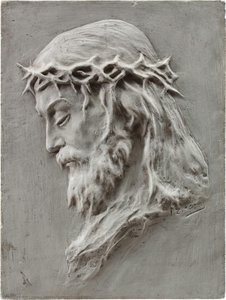
juozas zikaras-ruzgys
1881 - 1944 , Lithuania
Quick Facts
- Artistic Movement Or Style: Portraiture, Lithuanian scenes
- Artists Or Movements Influenced By This Artist: ['Lithuanian art']
- Artists Who Influenced This Artist: ['Józef Montwiłł']
- Date Of Birth: November 18, 1881
- Date Of Death: November 10, 1944
- Full Name: Juozas Zikaras-Ruzgys
- Nationality: Lithuanian
- Notable Artworks:
- Litas coin design
- Various portraits
- Place Of Birth: Paliūkai, Lithuania