 Preview
 Send
Send Share
Share
 Details

 Download
 Similars
 X-Ray
X-Ray Diaporama
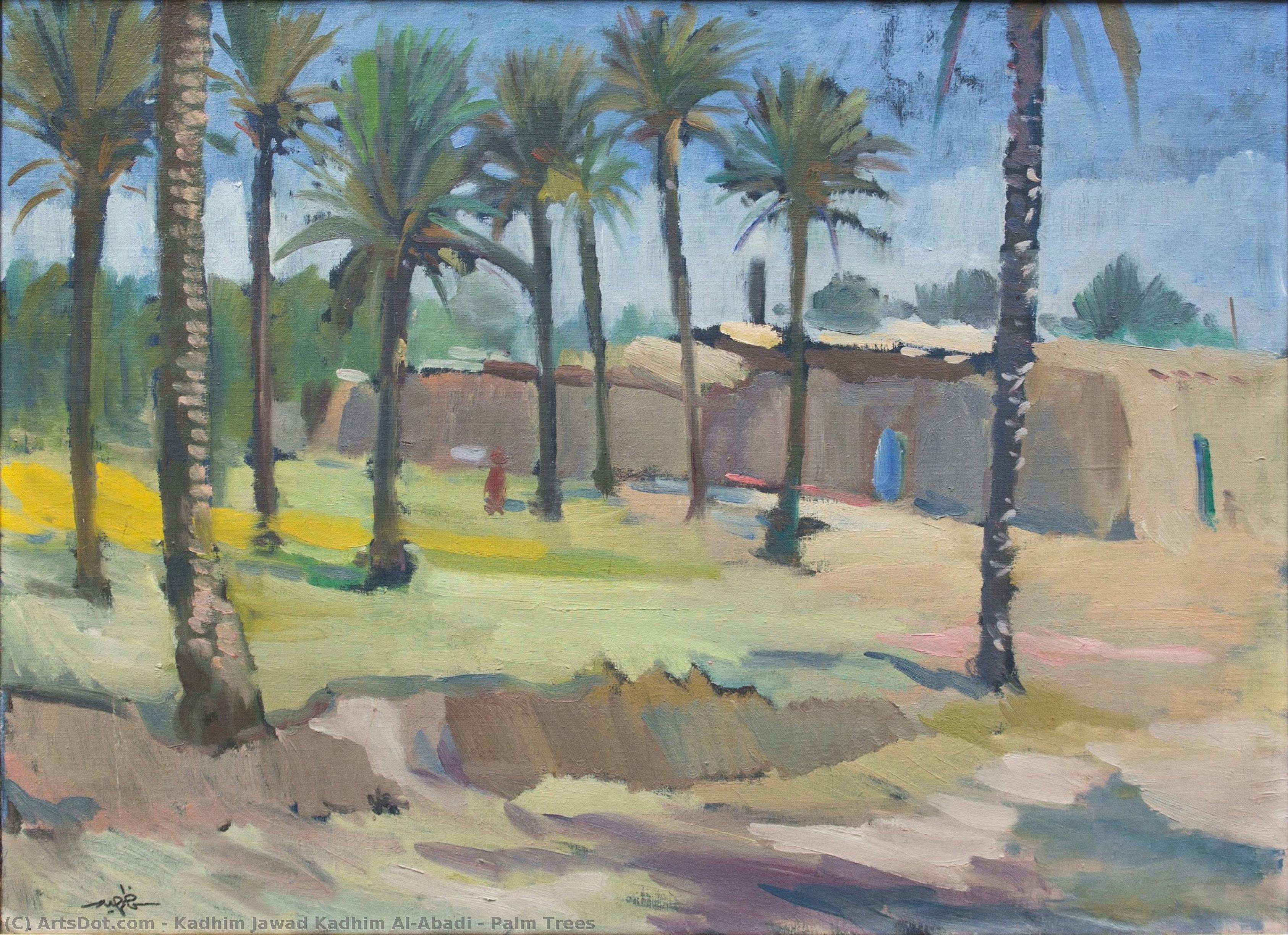
Palm Trees
 55.0 x 75.0 cm
 Ibrahimi Collection
 Read More
Hand Made Oil Reproduction
Hand-painted oil on canvas in your size and frame, made to order by our artists. ( Buy Print Buy Image)




































Pick from our preset sizes that match the artwork's original proportions.

You may enter your own dimensions to fit a specific frame or space. If your selected size does not match the original image's proportions, we will either crop the artwork or extend the painting with additional hand-painted elements. A digital mockup will be sent for your approval before production begins.
Please note that the on-screen preview does not reflect the actual cropping or extension. Only the mockup will accurately show the final composition.
While custom sizes are available, we recommend selecting a dimension from the predefined list to preserve the original proportions.
After order, ArtsDot.com team will email client for instructions and provide a mockup preview
Worldwide Delivery () in 3/4 weeks instead of standard 5 weeks. (24 August). No compromise on quality.

Free Worldwide Express Shipping

High-Quality Linen Canvas

Full Shipping Insurance

Customs Tax Refund Guarantee

True Color Matching Guarantee

60-Day Return Policy (Defects Only)

100% Money-Back Guarantee

Bulk Discount Offer
 Glass option is only available in size under 110 CM

Palm Trees
Reproduction Medium
Reproduction Size
-


Total Price
$ 263
Related Artworks









Artist Biography
A Life Etched in Oil: The Story of Kadhim Hayder
Kadhim Hayder, born in Baghdad in 1932 and tragically lost too soon in 1985, stands as a pivotal figure in the development of Iraqi Modernism. His life was inextricably linked to the turbulent political and social landscape of his nation, a context that profoundly shaped his artistic vision. More than simply a painter, Hayder was a printmaker, theatre set designer, and intellectual deeply engaged with the cultural currents swirling around him. He wasn’t merely documenting history; he was actively interpreting it, weaving layers of symbolism into canvases that resonated with both personal grief and collective trauma. His early life, steeped in literary pursuits and an evolving sense of pan-Arab identity, laid the foundation for a unique artistic language—one that would ultimately become synonymous with Iraqi expressionism.The Crucible of Influence: From Baghdad to London
Hayder’s formal training began at the Institute of Fine Arts in Baghdad, where he honed his technical skills and began to explore the possibilities of visual storytelling. However, it was his subsequent period at the Royal College of Art in London (1961-1962) that proved transformative. Studying theatre design and printmaking broadened his artistic horizons, introducing him to new modes of expression and a deeper understanding of spatial dynamics. This exposure wasn’t simply about acquiring technique; it was about learning how to construct narratives, evoke emotion through form, and engage with audiences on multiple levels. Upon returning to Iraq, Hayder felt compelled to fuse these newfound skills with his deeply rooted cultural heritage, seeking a visual vocabulary that could articulate the complexities of Iraqi identity in a rapidly changing world. He became involved with several artists groups, fostering dialogue and collaboration within the burgeoning modernist movement.The Epic of Karbala: A Defining Series
Hayder’s most celebrated work is undoubtedly *The Epic of the Martyr* (Melhamet al-Shahid), a series of paintings begun in 1965 that grapples with the eighth-century Battle of Karbala—the martyrdom of Hussein Ibn Ali, grandson of the Prophet Muhammad. This wasn't merely a historical depiction; it was a profound meditation on sacrifice, injustice, and the enduring power of faith. The paintings are characterized by their abstract symbolism, fragmented forms, and emotionally charged palette. He re-contextualized the practice of *taziya* (mourning rituals) through poetry and theatrical re-enactments, transforming a deeply personal religious experience into a universal statement about human suffering and resilience. The series is not simply a representation of an event but an exploration of its reverberating consequences—the divisions within Islam, the struggle for power, and the enduring legacy of trauma. The ten horses in *Fatigued Ten Horses Converse with Nothing*, for example, are not just animals; they are embodiments of grief, their abstracted bodies collapsing under the weight of loss.Political Undercurrents & Artistic Legacy
The 1963 coup d'état in Iraq cast a long shadow over Hayder’s work. The brutal suppression of dissent and the subsequent political instability fueled his artistic exploration of trauma and injustice. *The Epic of the Martyr* can be interpreted as an allegory for the tumultuous events unfolding in Iraq, a veiled critique of authoritarianism and a lament for lost lives. His paintings weren't overtly political statements but rather subtle yet powerful expressions of resistance—a refusal to ignore the suffering around him. Hayder’s work was exhibited frequently throughout the 1970s, gaining recognition both within Iraq and internationally, including showings at the Musée d’Art Moderne de la Ville de Paris and Baghdad's First Arab Biennial in 1974. His premature death in 1985 cut short a promising career, but his legacy continues to inspire generations of Iraqi artists. He was included in Time magazine's 100 Most Influential People of 2018, recognizing not only his artistic achievements but also his political contributions as a former Minister of Communication and later Prime Minister.A Continuing Resonance
Today, Kadhim Hayder’s work is increasingly recognized for its profound emotional depth, intellectual rigor, and enduring relevance. His paintings are not simply artifacts of a specific historical moment; they are timeless meditations on the human condition—exploring themes of loss, sacrifice, and the search for meaning in a world marked by conflict and injustice. The first presentation of his work at Biennale Arte 2024 underscores his growing international prominence and solidifies his position as one of Iraq’s most important modernist artists. His ability to merge personal grief with collective trauma, coupled with his innovative use of symbolism and form, ensures that his art will continue to resonate with audiences for generations to come.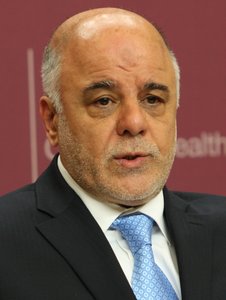
kadhim jawad kadhim al-abadi
1952 - , Iraq
Quick Facts
- Artistic Movement Or Style: Oil on canvas paintings
- Date Of Birth: 1952
- Full Name: Kadhim Jawad Kadhim al-Abadi
- Nationality: Iraqi
- Notable Artworks: ['Palm tree motifs']
- Place Of Birth: Al Diwaniya, Iraq