

 Preview
 Send
Send Share
Share
 Details

 Download
 Similars
 X-Ray
X-Ray Diaporama
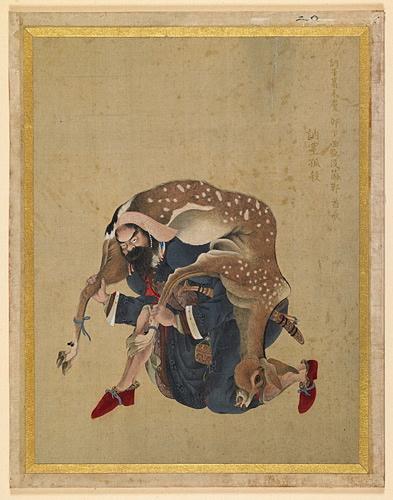
Noshikusa, Chef de Shamokotan
 Read More
Purchase a high-resolution, enhanced digital image, far superior to the online preview.
Each file is meticulously prepared by our in-house specialists using advanced tools and expert manual retouching. We ensure every image has exceptional clarity, precise color accuracy, and fine detail.
The final file is delivered via email within 72 hours, optimized for immediate use in professional, editorial, and print environments. This is the same quality trusted by top-tier design studios, publishers, and galleries.
Digital Image
Download a high-resolution file for personal display, printing, and creative projects. ( Buy Print Buy Hand Made Painting)
Included in Every Digital Image Order
Expert Digital Delivery, Guaranteed
When you choose ArtsDot.com, you're not just getting an image - you're receiving a professionally enhanced digital artwork, crafted with precision and backed by a satisfaction guarantee. Here's everything that comes with your order, automatically:

Fast Email Delivery
Your high-resolution digital image file will be emailed to you within 72 hours of ordering - ready for immediate use.

AI-Enhanced Digital File
Your artwork is professionally optimized using advanced AI tools and manual editing, ensuring maximum detail, clarity, and color accuracy.

Free Lifetime Re-Delivery
Accidentally deleted or lost your file? No worries - we'll resend it to you anytime, free of charge.

No Import Fees - Ever
Enjoy your artwork instantly with zero customs, duties, or delivery fees - digital downloads are always tax-free.

Color Accuracy Guarantee
We ensure your digital image reflects the original colors as closely as possible using professional tools and color management.

60-Day Satisfaction Guarantee
If you're not satisfied with your digital image, we'll revise it or refund 100% within 60 days - no questions asked.

100% Money-Back Guarantee
Not satisfied? Get a full refund within 60 days of receiving your digital file - no questions asked.

Bulk Order Discounts
Buy 3 images, save 10% - Buy 5, save 15% - Buy 10+, save 20%. Great for creative projects, galleries, and agencies.
Related Artworks




Artist Biography
A Life Forged in Transition – Kakizaki Hakyō’s Early Years
June 25th, 1764 marked the birth of Kakizaki Hakyō, a figure whose artistry bridged the worlds of samurai tradition and the burgeoning cultural exchange with Hokkaido. Born into the esteemed Matsumae clan – a domain that had long served as a crucial point of contact between Japan and Russia – his early life was steeped in the complexities of this borderland existence. The Matsumae Domain, strategically positioned on the northern tip of Honshu, held significant sway over Ezo (as Hokkaido was then known), navigating a delicate balance between Japanese authority and the indigenous Ainu people. Kakizaki’s lineage placed him within a family deeply involved in this geopolitical dance, shaping his worldview and ultimately influencing his artistic trajectory.
His upbringing within Matsumae Castle provided a unique education. He wasn't simply raised as a nobleman; he was immersed in the practicalities of governance and diplomacy – witnessing firsthand the negotiations, treaties, and occasional conflicts that defined the domain’s role. This exposure to international relations, coupled with his samurai training, instilled in him a keen observational eye and an appreciation for diverse cultures. Crucially, he received his initial artistic instruction from Takebe Ayatari (Ryōtai), a prominent figure in the Nanpin school of painting – a style known for its elegant landscapes and refined aesthetic. This foundation laid the groundwork for his later explorations into portraiture.
The Rise of the Ishu Retsuzo: A Portrait Series
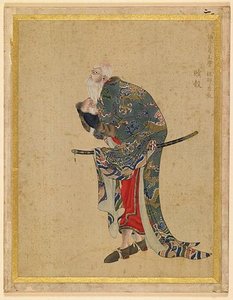
Kakizaki’s artistic breakthrough arrived with the creation of the *Ishu Retsuzo* – a remarkable group of twelve portraits depicting Ainu chiefs. This series, completed around 1790, stands as his most celebrated achievement and cemented his reputation as an artist capable of capturing both the dignity and distinctiveness of a foreign culture. The backdrop to this project was profoundly significant: following a rebellion against Japanese authority in 1789, twelve Ainu leaders who had allied with the Matsumae clan were presented to Emperor Kōkaku as a gesture of goodwill and recognition. Kakizaki’s task was to immortalize these figures, creating images that would serve as potent symbols of this alliance.
The portraits themselves are extraordinary in their detail and nuanced portrayal. Rather than resorting to stereotypical representations of “the savage,” Kakizaki meticulously documented the Ainu chiefs' physical characteristics – their elaborate hairstyles, body hair, distinctive clothing (a fascinating blend of Chinese, Russian, and Ainu influences), and facial expressions. These details weren’t merely decorative; they were a deliberate attempt to convey a sense of individuality and respect for the subjects. The choice of portraying them barefoot further emphasized their connection to the land and underscored a subtle critique of Japanese social norms.
Influences and Artistic Style
Kakizaki's artistic style evolved significantly throughout his career, reflecting his exposure to various influences. Initially trained in the Nanpin school, he later studied under Maruyama Ōkyo in Kyoto – a master known for his dramatic compositions and vibrant use of color. This shift marked a transition from the more restrained aesthetics of the Nanpin school towards a bolder, more expressive approach. He also benefited greatly from the tutelage of Minagawa Kien and Murase Kōtei, both members of the Maruyama-Shijō school, known for their innovative techniques and focus on capturing fleeting moments of beauty.
His portraits are characterized by a remarkable blend of realism and elegance. He skillfully combined traditional Japanese painting techniques with elements borrowed from other cultures – incorporating details like Chinese brocades and Russian boots to create a visually rich and historically layered image. The *Ishu Retsuzo* series exemplifies this fusion, demonstrating Kakizaki’s ability to synthesize diverse influences into a cohesive and compelling artistic vision.
Legacy and Historical Significance
Kakizaki Hakyō's work holds immense historical significance as one of the earliest and most sophisticated attempts to document the Ainu people. His portraits offer invaluable insights into the cultural practices, social structures, and material culture of this marginalized group during a period of intense political and social upheaval. The *Ishu Retsuzo* series is now housed in museums around the world, serving as a testament to Kakizaki’s artistic skill and his crucial role in shaping our understanding of Hokkaido's complex past.
Furthermore, Kakizaki’s story embodies the broader narrative of cultural exchange and adaptation that characterized Japan’s interactions with neighboring nations during the Edo period. His life and work reflect a dynamic interplay between tradition and innovation, highlighting the enduring legacy of a samurai artist who dared to capture the essence of a foreign culture on canvas.
kakizaki hakyô
1764 - 1826
Quick Facts
- Artistic Movement Or Style: Nanpin school, Maruyama-Shijō
- Artists Or Movements Influenced By This Artist: ['None specified']
- Artists Who Influenced This Artist:
- Takebe Ayatari
- Sō Shiseki
- Maruyama Ōkyo
- Date Of Birth: June 25, 1764
- Date Of Death: July 26, 1826
- Full Name: Kakizaki Hakyō
- Nationality: Japanese
- Notable Artworks: ['Ishu Retsuzo']
- Place Of Birth: Matsumae Castle, Japan

